Turkish Airlines has announced a significant leadership transition, marking one of the most notable management reshuffles in recent years. The airline has promoted two experienced internal executives to its top leadership roles, signaling a strategic shift toward home-grown talent and long-term organizational stability.
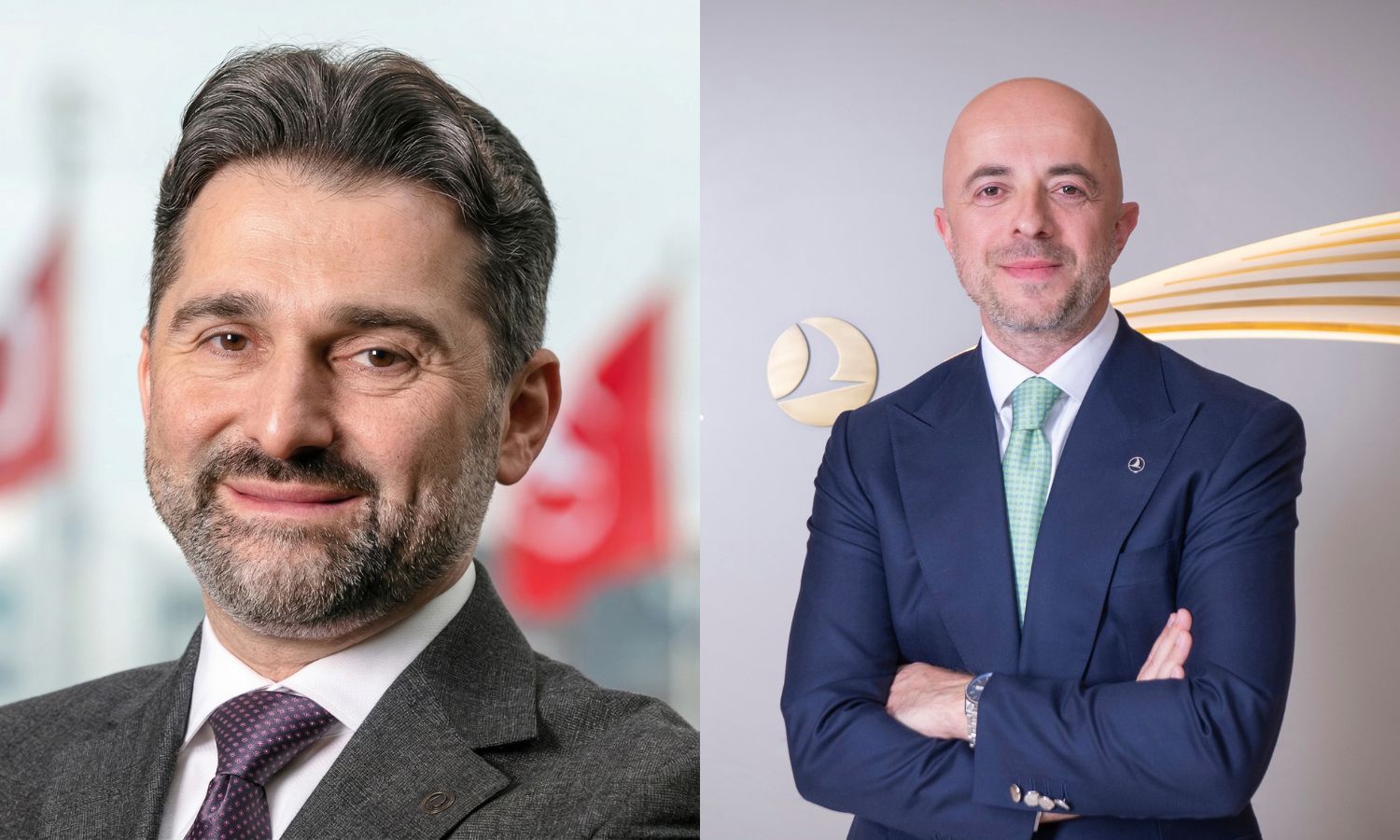
Ahmet Olmustur, aged 46, who previously served as Chief Commercial Officer (CCO), has been appointed as the new Chief Executive Officer (CEO). He succeeds long-serving leader Bilal Ekşi, who has officially retired after years of service. In a parallel move, Murat Şeker, aged 50, has been named Chairman of the Board, replacing Ahmet Bolat.

Both appointments reflect the airline’s growing emphasis on leadership continuity and internal expertise, as both executives have built their careers within Turkish Airlines and are widely recognized for their deep institutional knowledge.
Promotion of Home-Grown Talent
The elevation of Olmustur and Şeker is being seen as a clear endorsement of the airline’s internal leadership development strategy. Rather than appointing external candidates, Turkish Airlines has chosen to rely on executives who have risen through its own organizational structure.
Ahmet Olmustur has been a key figure in shaping the airline’s commercial strategy, playing an important role in expanding its global network and strengthening revenue performance. His appointment as CEO is expected to ensure continuity in the airline’s commercial direction while also introducing new strategic priorities aligned with current market conditions.
Similarly, Murat Şeker brings extensive experience in financial and operational oversight. His appointment as Chairman is expected to reinforce governance stability at a time when the airline is navigating a complex global aviation environment.
Strategic Shift Amid Global Aviation Challenges
The leadership transition comes at a time when Turkish Airlines is facing increasing external pressures, including geopolitical uncertainty, volatile fuel prices, and fluctuating demand across key international markets.
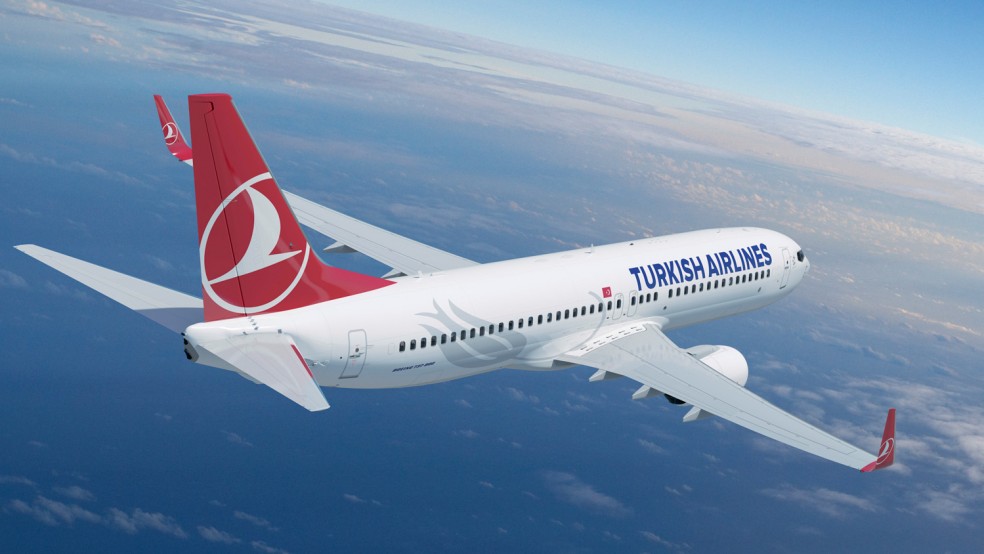
In conjunction with the leadership changes, the airline also announced its decision to withhold dividend payments from its 2025 earnings. The company stated that the decision was made to preserve financial strength and improve resilience in response to ongoing global uncertainties. Industry analysts interpret this move as a cautious but strategic approach, aimed at strengthening the airline’s balance sheet while maintaining flexibility in an unpredictable operating environment.
Internal Reorganization and Operational Focus
Observers suggest that the leadership reshuffle is part of a broader internal restructuring within the airline. While the top-level changes have drawn attention, the adjustments are believed to extend across multiple departments, with a focus on improving operational efficiency and long-term competitiveness. The restructuring is expected to support key priorities such as fleet modernization, network expansion, and cost optimization. Turkish Airlines, which operates one of the most extensive international route networks in the world, is increasingly focusing on maintaining efficiency while sustaining growth across competitive markets.
Navigating a Complex Global Aviation Landscape
Turkish Airlines has experienced strong growth in recent years, benefiting from its strategic geographic position connecting Europe, Asia, Africa, and the Americas. However, the airline now faces the challenge of sustaining this momentum amid rising operational costs and intensified global competition.
Geopolitical tensions in several regions, combined with supply chain disruptions and fluctuating fuel prices, have added further complexity to the airline’s long-term planning. Despite these challenges, the carrier remains one of the fastest-growing global airlines, with continued ambitions to expand its international footprint while improving service quality and operational resilience.
Industry Reaction and Future Outlook
The leadership changes have been broadly welcomed within the Turkish aviation sector, with many viewing the appointments as a positive step toward strengthening internal leadership capacity. Analysts suggest that promoting executives with long-standing institutional experience could help ensure smoother strategic execution during a period of global uncertainty.
While Turkish Airlines has not issued detailed public statements from the newly appointed CEO and Chairman, sources close to the company indicate that their immediate focus will include operational excellence, financial discipline, and continued expansion of the airline’s global network.

A New Phase of Strategic Development
The transition marks a new chapter for Turkish Airlines as it seeks to balance growth ambitions with financial prudence. By elevating experienced internal leaders to its top positions, the airline appears to be reinforcing its commitment to continuity, stability, and long-term strategic planning.
As the global aviation industry continues to evolve, Turkish Airlines enters this new phase with a renewed leadership structure aimed at strengthening its competitive position while navigating an increasingly complex international environment.