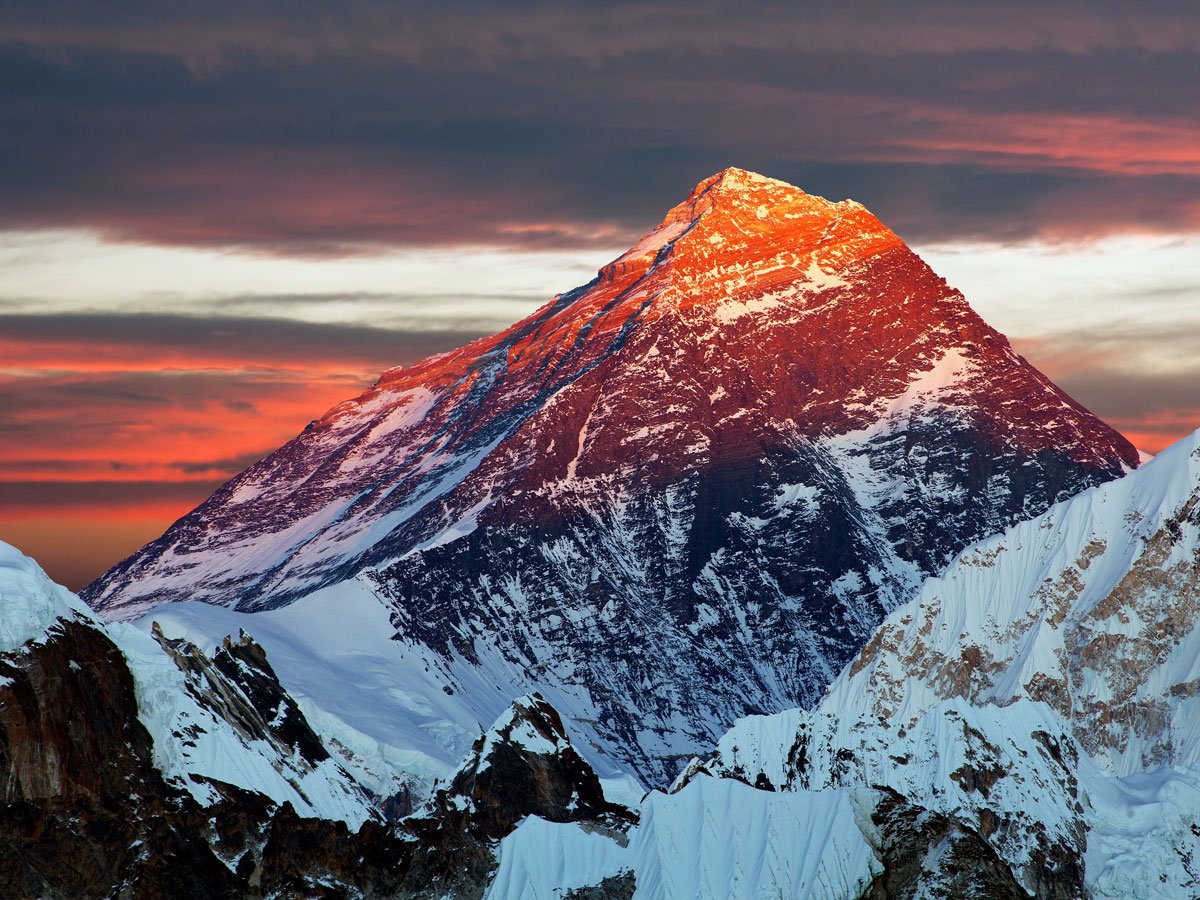
The Government of Nepal has collected more than Rs 1 billion in royalty revenue from Mt Everest alone during the ongoing spring climbing season, reflecting a significant rise in mountaineering income following the recent increase in climbing permit fees.
According to the Department of Tourism, a total of 464 climbers from 47 expedition teams had obtained permits to climb Mount Everest as of Tuesday. Through these permits, the government collected Rs 1.01 billion in royalty revenue. Officials stated that the exact royalty collection from Everest expeditions reached Rs 1,01,28,23,925.
The increase in revenue comes after the government revised mountaineering royalty charges beginning from the autumn climbing season this year. The revised fee structure has substantially boosted government earnings from high-altitude tourism.

More Than 1,000 Climbers Receive Permits for 29 Mountains
Department statistics show that permits have been issued to 1,072 climbers from 127 expedition teams for ascents of 29 different mountains across Nepal during the current season. From these mountaineering expeditions, the government has collected a total royalty amount of approximately Rs 1.17 billion. The figures indicate strong international demand for Nepal’s mountaineering sector despite rising expedition costs. Nepal remains one of the world’s leading destinations for adventure tourism, particularly among high-altitude climbers seeking to summit Himalayan peaks.
Everest Remains Nepal’s Biggest Mountaineering Attraction
Among all mountains, Mount Everest continues to dominate Nepal’s climbing industry, attracting the highest number of expedition teams and generating the largest share of tourism revenue. The world’s highest mountain alone accounts for the majority of royalty income collected during the season. Officials say Everest remains the most sought-after peak among international climbers despite increasingly challenging conditions and rising expedition expenses.
Data from the Department of Tourism show that climbers from 55 countries have taken permits specifically for Everest expeditions this year. Chinese climbers top the list with 100 Everest permits, followed by 67 climbers from the United States and 58 climbers from India.
Lhotse and Ama Dablam Also Draw Strong Interest
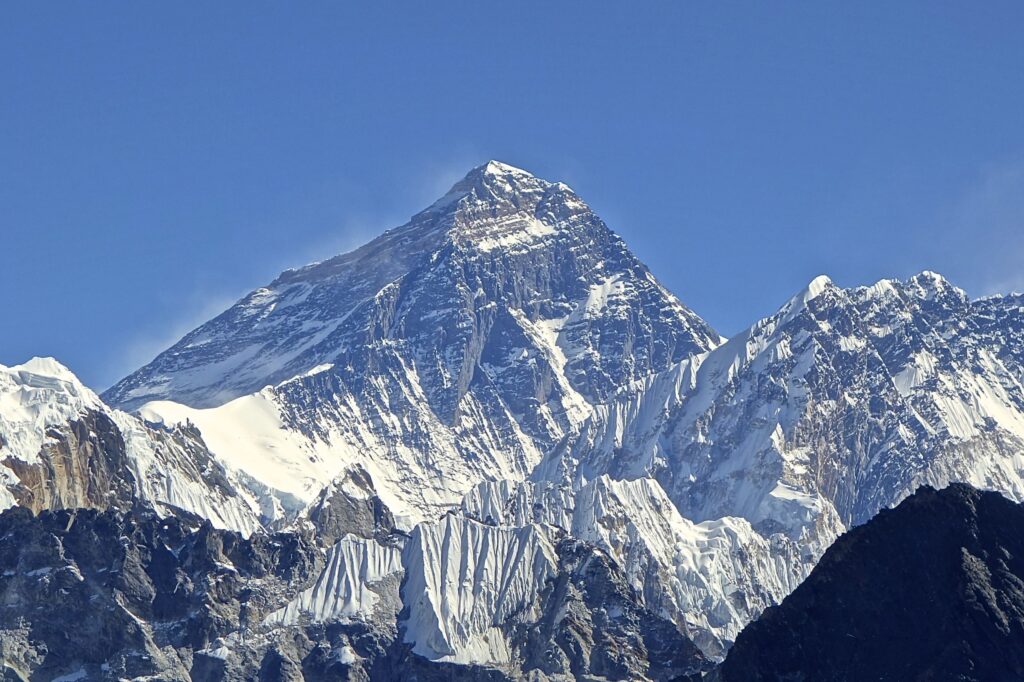
After Everest, Lhotse has emerged as the second most popular mountain this season. A total of 111 climbers from nine expedition groups have obtained permits to climb Lhotse, the world’s fourth-highest mountain, located adjacent to Everest.
Similarly, Ama Dablam has attracted 104 climbers from nine expedition teams this season. Known for its striking beauty and technical climbing routes, Ama Dablam remains one of Nepal’s most iconic trekking and climbing peaks. Tourism officials believe the growing interest in multiple Himalayan peaks reflects Nepal’s expanding appeal as a global adventure tourism destination beyond Everest alone.
Climbers from 79 Countries Visit Nepal
The Department of Tourism data further reveals that mountaineers from 79 different countries have arrived in Nepal this season for climbing expeditions. China recorded the highest number of climbers overall with 139 mountaineers, followed closely by the United States with 132 climbers.
Likewise, 72 climbers from the United Kingdom and 66 from Russia have received climbing permits this season. Officials say the wide international participation demonstrates Nepal’s continued reputation as the world’s premier mountaineering destination.

Tourism Sector Sees Strong Recovery
Tourism experts believe the rising number of climbers and increasing royalty collections indicate a strong recovery and expansion of Nepal’s adventure tourism sector. The mountaineering industry plays a crucial role in Nepal’s economy by generating employment for guides, Sherpas, trekking agencies, porters, airlines, hotels, and local businesses in mountain regions.
The increase in royalty income is also expected to contribute significantly to government revenue and tourism infrastructure development. With the spring climbing season currently at its peak, authorities expect the number of successful summits and total revenue collections to rise further in the coming weeks.