In the far eastern reaches of Nepal, in Taplejung district, rises Pathivara Temple, perched at an altitude of 3,794 meters. Unlike many temples built within towns or valleys, Pathivara stands alone on a windswept hill, surrounded by forests, mist, and distant views of the Kanchenjunga range. Pathivara Temple in eastern Nepal is a revered Hindu pilgrimage site dedicated to the wish-fulfilling goddess Pathivara, where thousands of devotees visit each year believing their prayers and desires are answered through divine blessings and deep spiritual faith.
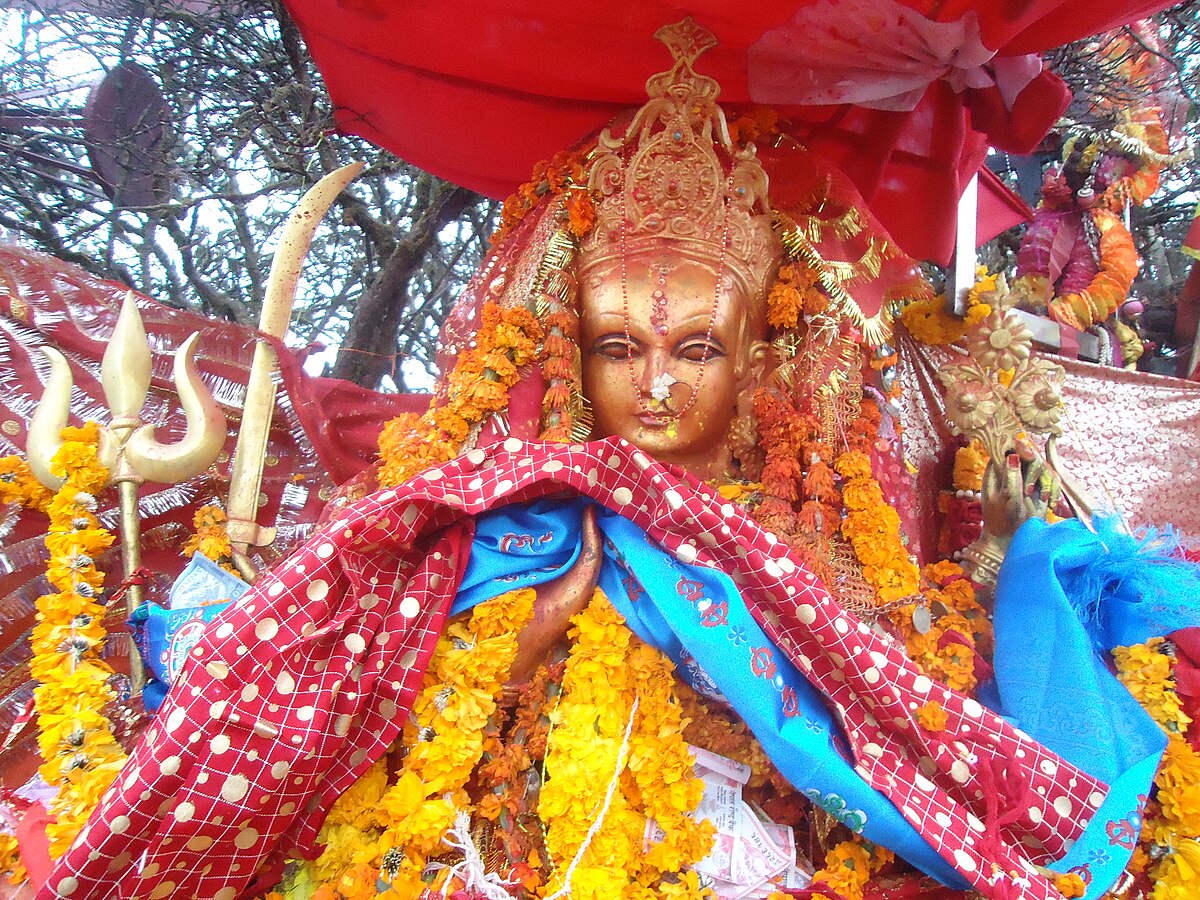
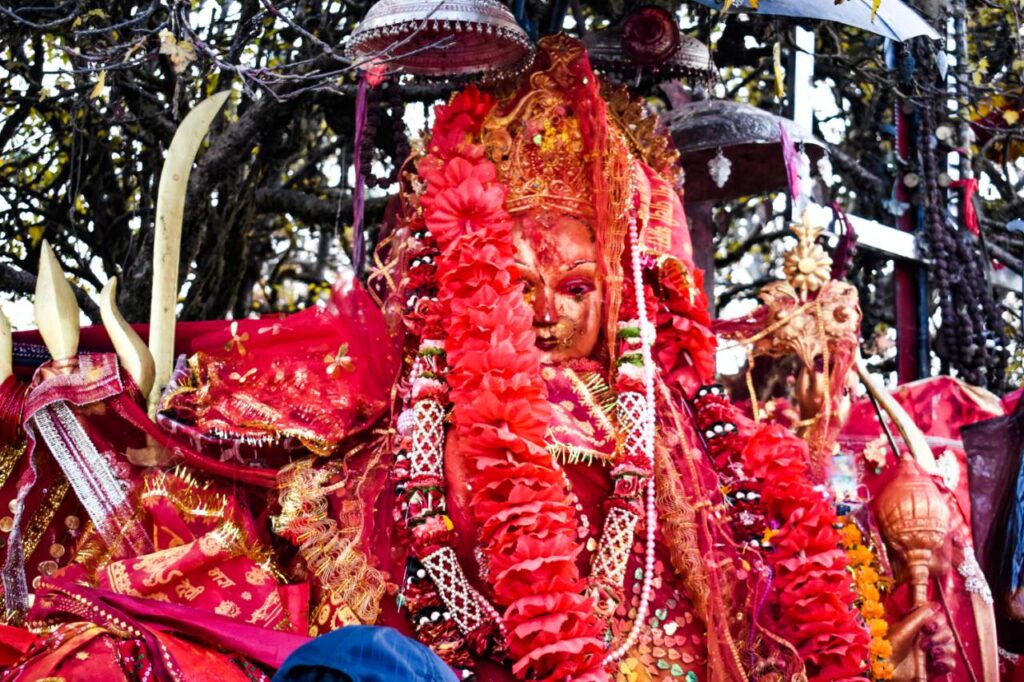
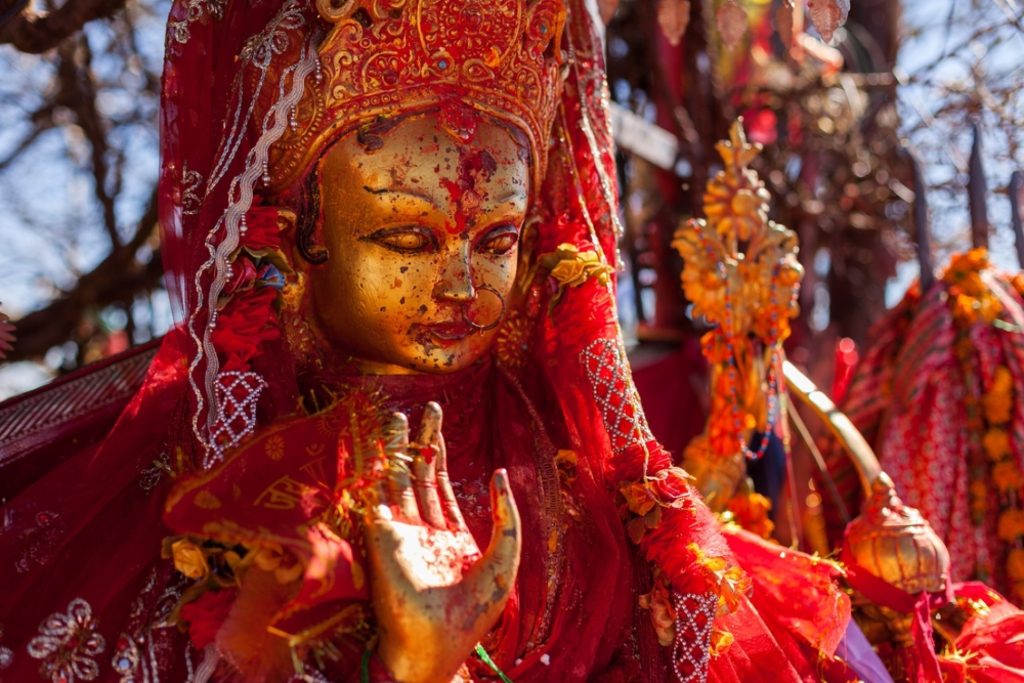
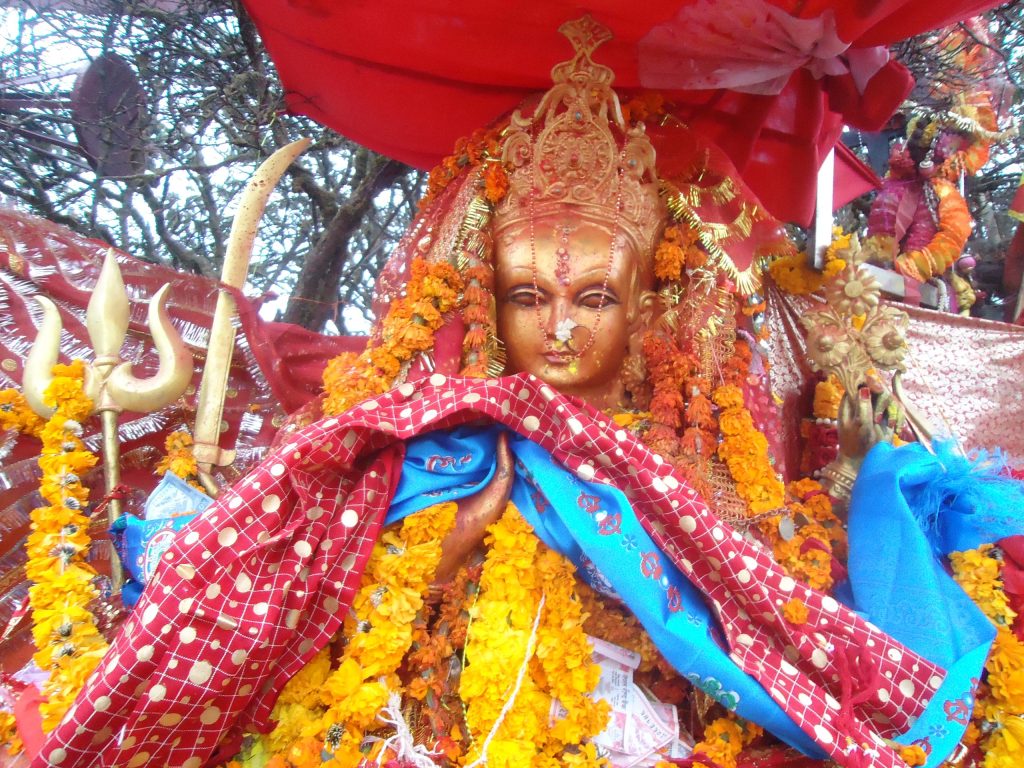
The journey to Pathivara is as spiritual as the destination itself. Pilgrims ascend through dense forests, steep trails, and quiet settlements inhabited by the Limbu and Sherpa communities. As altitude increases, the air becomes thinner and the landscape more mystical, as if the mountain itself is guiding visitors toward a sacred encounter. Pathivara is dedicated to Goddess Pathivara Devi, believed to be a powerful incarnation of Goddess Durga. She is worshipped as a “wish-fulfilling goddess,” and thousands of devotees visit the temple each year with hopes, prayers, and deep personal desires.
Myth, Faith, and the Birth of a Sacred Site
The origin of Pathivara Temple is rooted in local legend. It is believed that a herder once lost his livestock in the surrounding hills. After a divine vision, he was instructed to build a shrine for the goddess. Once the shrine was established, the lost animals were miraculously recovered. This event transformed the hill into a sacred site, and over time, it became a major pilgrimage destination.
Unlike structured theological doctrines, Pathivara’s spiritual power is deeply rooted in lived belief. For devotees, faith is not abstract but experiential. They climb the hill not only to worship but to fulfill vows, seek blessings, and express gratitude for wishes already granted. Animal sacrifices, offerings of coins, cloth, and symbolic gifts form part of traditional rituals, reflecting ancient forms of devotion that continue to coexist with modern practices.
A Temple Between Cultures and Landscapes
Pathivara is unique because it sits at the intersection of Hindu and indigenous Limbu traditions. The temple is not only a Hindu sacred site but also a cultural symbol for local communities who have worshipped the goddess in various forms for generations. The surrounding landscape adds immense spiritual depth.
On clear days, the Kanchenjunga range appears in full glory, creating a backdrop that feels almost surreal. Clouds drift through valleys below, and the temple often appears suspended above the world. This sense of isolation enhances its spiritual intensity. There are no large cities nearby, no urban distractions, only mountains, wind, and prayer.
A Journey of Faith and Endurance
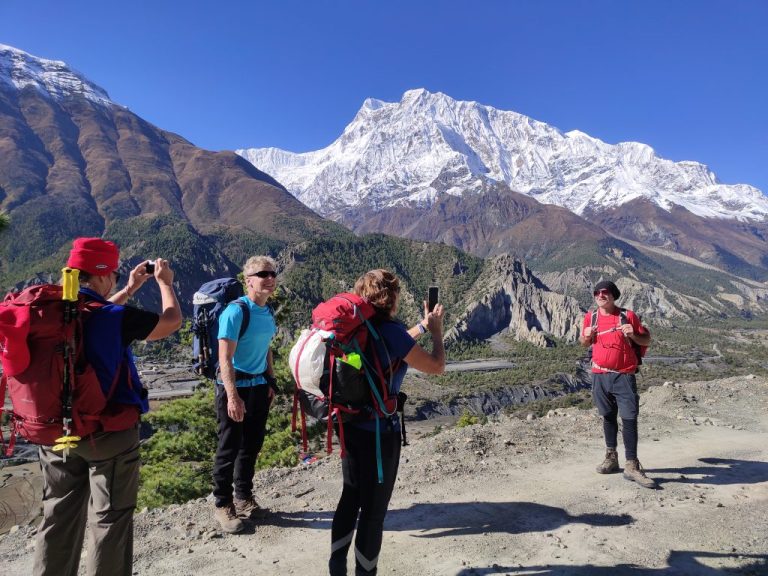
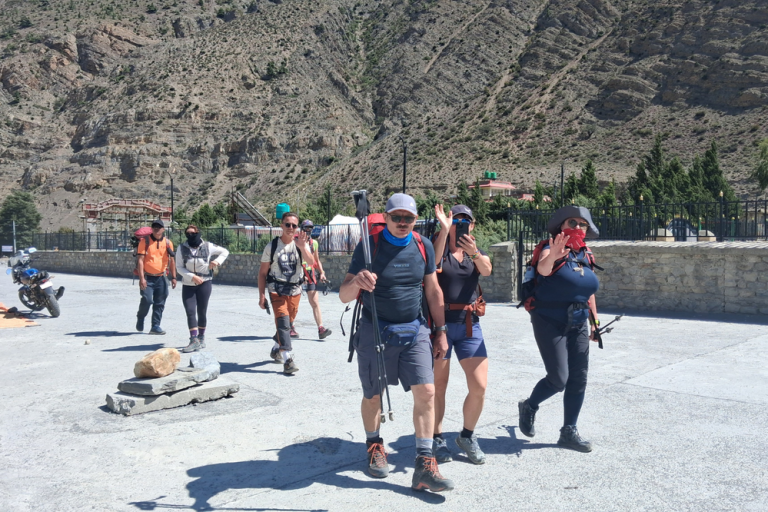
Reaching Pathivara requires both physical effort and emotional commitment. Pilgrims often begin their journey from Phungling Bazaar and continue on foot for several hours or days, depending on route and weather. The path is steep, often challenging, and frequently covered in mist or rain. Yet devotees continue upward, driven by faith rather than comfort. Many believe that the difficulty of the journey itself strengthens the power of their prayers. Upon reaching the temple, pilgrims often experience a deep sense of relief and emotional release. For many, it is not just a visit but a fulfillment of long-held spiritual promises.
Where Faith Meets the Mountain Sky
Pathivara Temple stands as a powerful reminder that belief does not require grandeur to be profound. It exists in simplicity, in elevation, in silence, and in devotion. Here, amidst the eastern Himalayas, faith becomes personal and direct. The goddess is not distant but present in every wind, every prayer flag, and every step taken uphill. Pathivara is not just a temple, it is a conversation between humans and the divine, spoken in the language of mountains.