For more than 15 years, Nepal has repeatedly promised structural reform in its aviation sector, yet one of its most critical commitments, splitting the aviation regulator from its service provider, remains unfulfilled. Successive governments, frequent ministerial changes, and shifting legislation have failed to deliver a reform long demanded by international aviation bodies.
The absence of progress continues to affect Nepal’s global aviation standing. More than a decade after the European Union imposed restrictions, Nepali airlines remain on the EU Air Safety List maintained by the European Commission, preventing them from operating flights to Europe and undermining the country’s tourism credibility.

EU Air Safety Listing Still in Place After 13 Years
On June 9, the European Commission updated its aviation safety list, once again retaining Nepali carriers on the blacklist. The decision reflects ongoing concerns over aviation governance and the lack of meaningful institutional reform in Nepal. Being on the EU Air Safety List has far-reaching consequences. It not only restricts Nepali airlines from European routes but also sends a negative signal to global tourists and aviation partners about the country’s safety oversight system.
Government Pledges Fresh Reform With 2027 Deadline
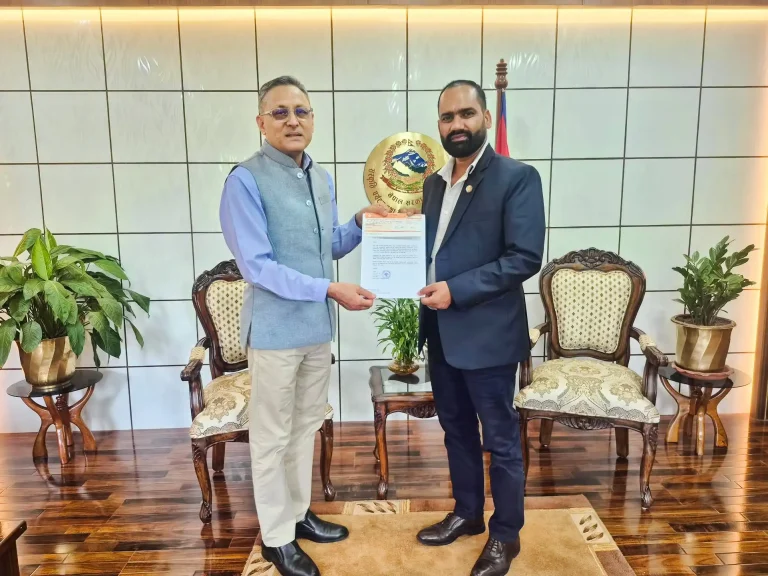
The newly formed government led by Balendra Shah has pledged renewed action, committing through the national budget announced on May 29 to split the Civil Aviation Authority of Nepal by mid-January 2027. For the first time, Nepal has set a concrete timeline for the long-delayed reform.
Officials at the Ministry of Culture, Tourism and Civil Aviation say preparatory work is underway. “We are working on the civil aviation bills internally,” said Indu Ghimire, joint secretary at the ministry, adding that the draft will soon be sent for inter-ministerial review to meet the deadline.
Proposed Institutional Split: Regulator vs Service Provider
The reform plan envisions dividing the Civil Aviation Authority of Nepal into two separate bodies:
- A regulatory authority responsible for safety oversight and compliance
- A service provider authority responsible for airport operations and air navigation services
International aviation experts have long argued that combining both functions creates a conflict of interest, as the same institution effectively regulates itself. The proposed restructuring is aimed at aligning Nepal with global aviation governance standards recommended by bodies such as the International Civil Aviation Organization.
A Reform Journey Stalled for Over a Decade
The push to separate aviation functions dates back to 2010 under an Asian Development Bank-supported aviation capacity project. A Spanish consultancy firm, INECO, prepared draft legislation in 2014 for $4.2 million.
Since then, the reform has moved through a cycle of introduction, delay, and withdrawal:
- 2020: Bills registered in Parliament
- 2021: Unanimously endorsed by the National Assembly
- 2022: Stalled after political objections and parliamentary suspension
- 2024: Reintroduced but delayed amid political instability
Most recently, the bills have again returned to the ministry for revision.

Political Resistance and Institutional Conflict
Despite repeated commitments, the reform has faced resistance from within the aviation sector, particularly employees of the Civil Aviation Authority of Nepal who oppose institutional bifurcation.
In 2022, then tourism minister Prem Bahadur Ale halted parliamentary discussion of the bills, citing internal opposition. Soon after, Parliament was prorogued, effectively halting the process. Since then, political instability, changing governments, and competing priorities have repeatedly stalled progress.
Governance Concerns and Safety Record
Nepal’s aviation sector has long faced allegations of political interference, weak oversight, and institutional conflicts of interest. While not all safety issues are attributed to governance failures, experts say systemic weaknesses have repeatedly undermined reform efforts.
Leadership appointments in the aviation sector are often influenced by political considerations rather than technical expertise, leading to policy discontinuity. The impact is visible in Nepal’s safety record. Since the post-pandemic period alone, the country has recorded multiple accidents, including eight aircraft incidents with six fatalities, resulting in over 100 deaths.
International Scrutiny and EU Position
European officials have repeatedly emphasized that their concern is not legislative form but functional independence. EU Ambassador Veronique Lorenzo noted that nearly every Nepali government has pledged aviation reform, but implementation has remained weak.
“We never urged for change in legislation. We had only urged for independent functioning to end the conflict of interest,” she said. The issue was also discussed during the 15th Nepal–EU Joint Commission meeting in Kathmandu in March 2024, where aviation safety was identified as a priority area.
Economic Impact on Tourism and Airlines
Industry stakeholders say the continued EU restriction has had significant economic consequences. Birendra Bahadur Basnet, executive chairman of Buddha Air, said the restriction has limited Nepal’s tourism potential and blocked international expansion opportunities for Nepali airlines. “The ban effectively halted the possibility of Nepali airlines operating in European destinations and discouraged EU carriers from expanding services to Nepal,” he said.
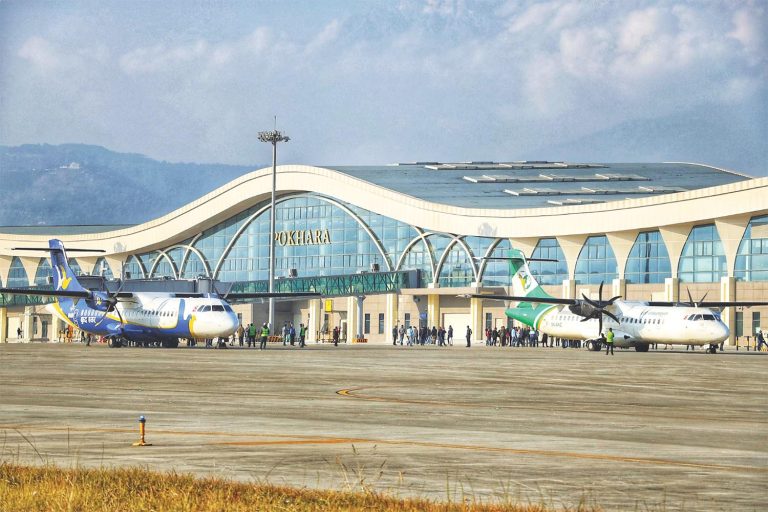
He also noted that the restriction may have affected the use of new infrastructure, including the Bhairahawa International Airport. Nepal Airlines and private carriers continue to face reputational constraints in global markets due to the unresolved safety classification.
Aviation Safety Debate and Structural Challenges
Despite improvements in infrastructure and training, Nepal’s aviation safety record continues to draw concern from global watchdogs. A major turning point in global scrutiny came after the crash of Sita Air Flight 601 in September 2012, which killed 19 people, including foreign nationals. The incident contributed to the EU’s decision to impose a blanket ban in December 2013. Between 2008 and 2012, Nepal recorded multiple annual aviation accidents, reinforcing concerns about regulatory oversight.

Critical Question: Will This Time Be Different?
Experts say the success of the latest reform push will depend on whether the new regulatory body is granted true independence after legislation is passed. Industry leaders warn that without structural autonomy, reforms may remain symbolic rather than effective.
“The effectiveness of the reform will be determined by the degree of autonomy granted to the regulator,” Basnet said. As the mid-January 2027 deadline approaches, Nepal faces a familiar test: whether long-promised aviation reform will finally move from policy papers into practice or remain another missed opportunity in a 15-year cycle of delay.