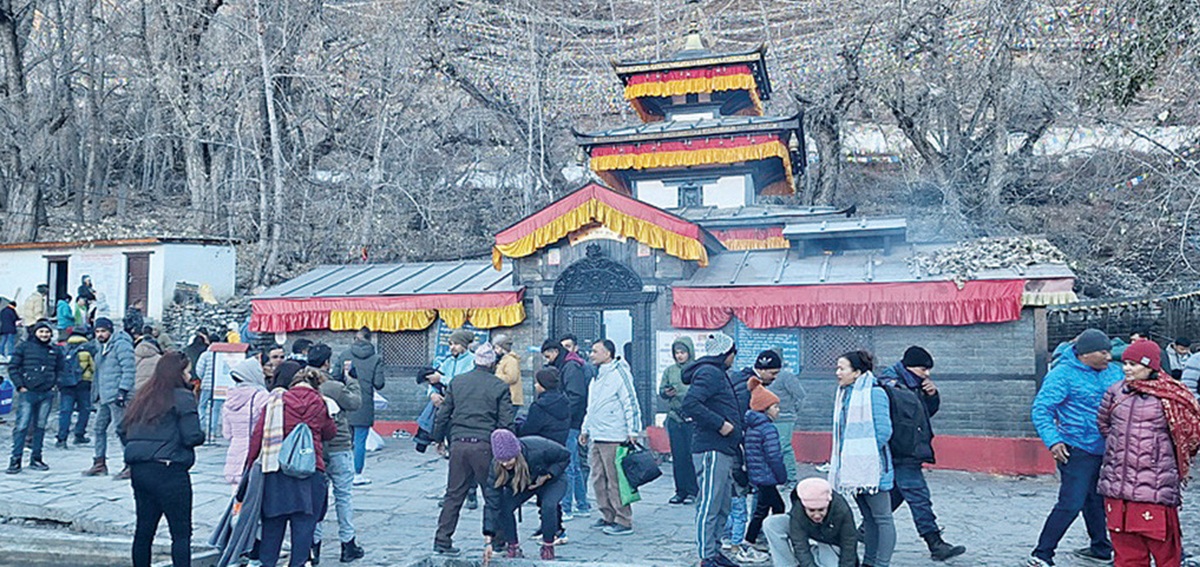
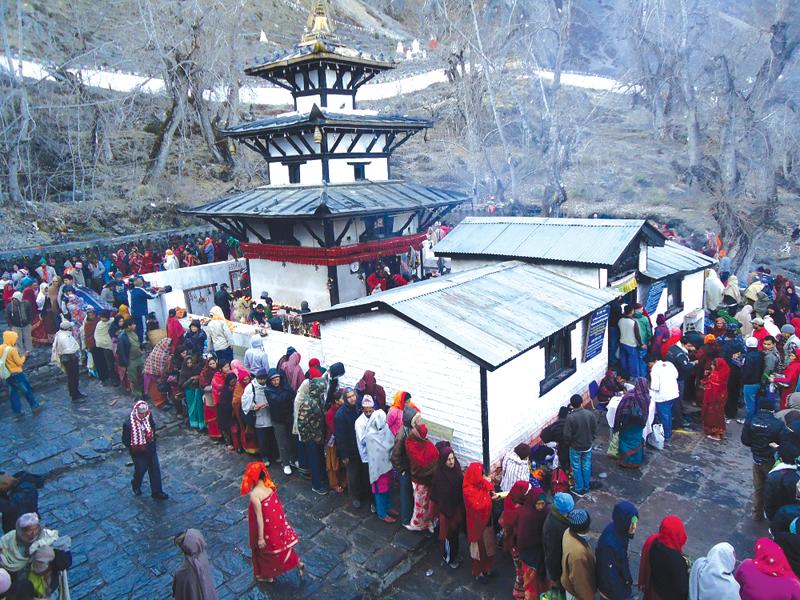
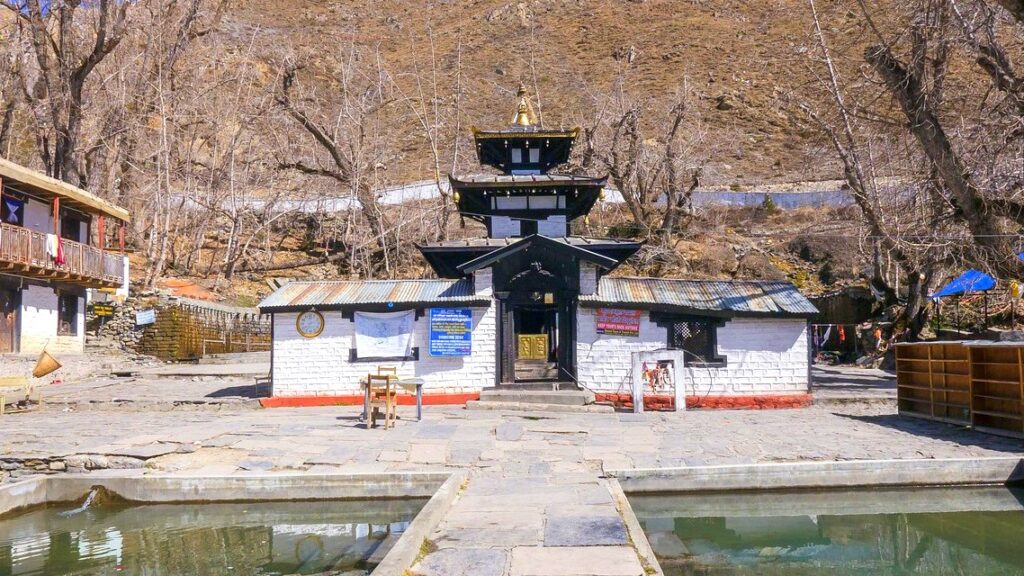
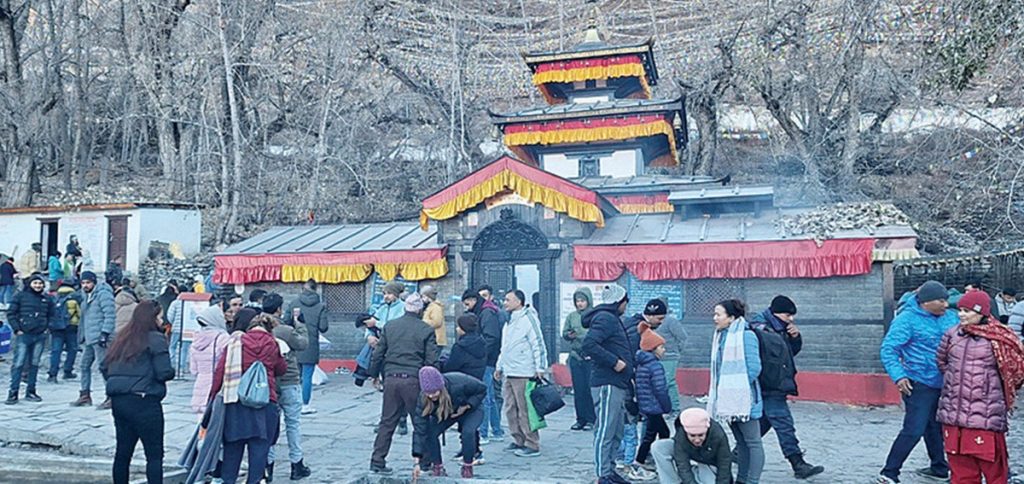
High in the Mustang district of Nepal, at an altitude of around 3,800 metres (12,467 feet), lies Muktinath, one of the country’s most important pilgrimage destinations and a remarkable Himalayan attraction. Revered by both Hindus and Buddhists, Muktinath is more than a temple. It is a place where spirituality, ancient traditions, dramatic landscapes and adventure come together. For Hindus, the site is known as Mukti Kshetra, or the “place of liberation,” while Buddhists know it as Chumig Gyatsa, meaning “Hundred Waters.” Its religious importance, combined with Mustang’s unique landscape, makes Muktinath one of Nepal’s most distinctive destinations for both domestic and international travelers.
A Sacred Site for Hindus and Buddhists
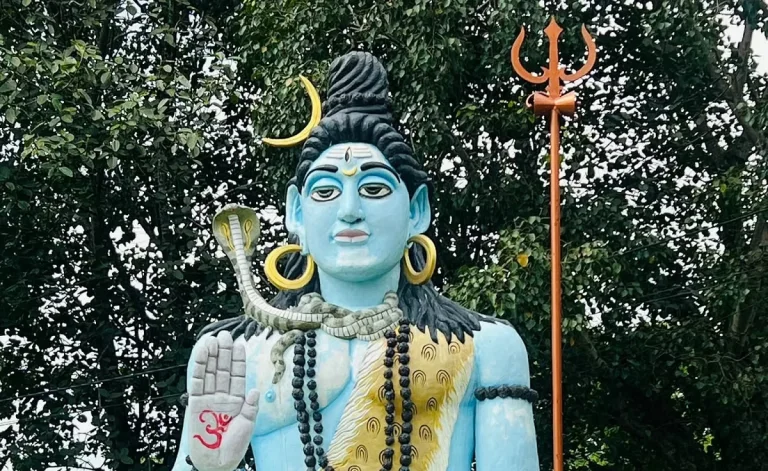
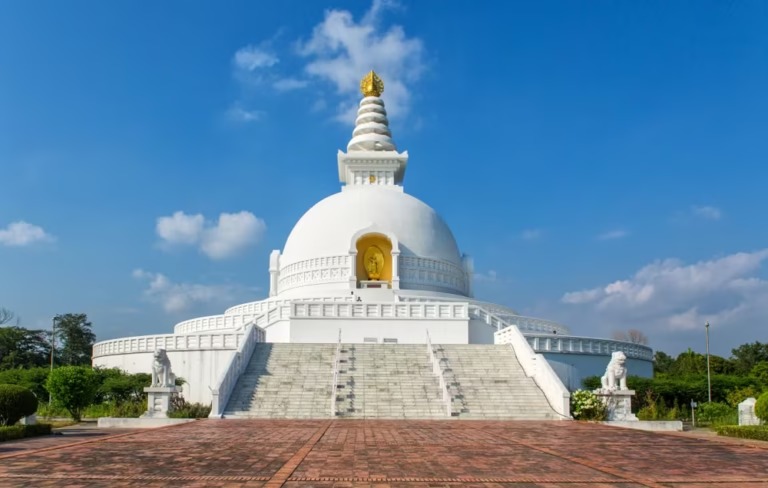
Muktinath holds a special place in Hindu pilgrimage traditions as a shrine dedicated to Lord Vishnu. It is associated with the concept of Mukti, or spiritual liberation, and is regarded as one of the sacred Vishnu pilgrimage sites. The destination is equally significant to Buddhists. Known as Chumig Gyatsa, Muktinath is connected with Buddhist traditions and the spiritual legacy of Guru Rinpoche (Padmasambhava). The coexistence of Hindu and Buddhist practices around the shrine is one of its most remarkable characteristics. This shared religious heritage gives Muktinath an identity that extends beyond a single faith and reflects the Himalayan region’s cultural diversity.
The 108 Sacred Water Spouts
One of Muktinath’s most recognizable features is the row of 108 water spouts, traditionally called Muktidhara. Designed in the form of bull heads, the spouts continuously release cold mountain water. Hindu pilgrims traditionally bathe beneath the streams as part of a ritual believed to purify the body and soul. Although the water is extremely cold, devotees consider the experience an important part of their pilgrimage. Visitors who are not taking part in the ritual can still appreciate the cultural and architectural significance of the site, while respecting those engaged in religious practices.
Jwala Mai and the Eternal Flame
Another fascinating feature of the pilgrimage complex is Jwala Mai, a nearby shrine associated with a naturally occurring flame. A small blue flame traditionally burns at the site, creating an unusual combination of fire and water within the same sacred landscape. The phenomenon has long been incorporated into the religious traditions surrounding Muktinath. For visitors, Jwala Mai adds a sense of mystery to an already extraordinary destination where natural features and religious beliefs are closely intertwined.
Shaligram and the Kali Gandaki River
Muktinath is also closely connected with the Kali Gandaki River, which flows through the Mustang region. The river is famous for Shaligram stones, black fossilized ammonites traditionally regarded by Hindus as manifestations of Lord Vishnu. These sacred fossils are particularly important in Hindu religious traditions.
At the same time, Shaligrams are scientifically significant because they are fossils from ancient marine environments. Their presence in the Himalayas offers an extraordinary reminder of the geological history behind the formation of the world’s highest mountain range. This connection between religion, fossils, and Himalayan geology gives the Muktinath region an unusual appeal for pilgrims, historians, geologists, and curious travelers alike.
More Than a Temple: Experience Mustang
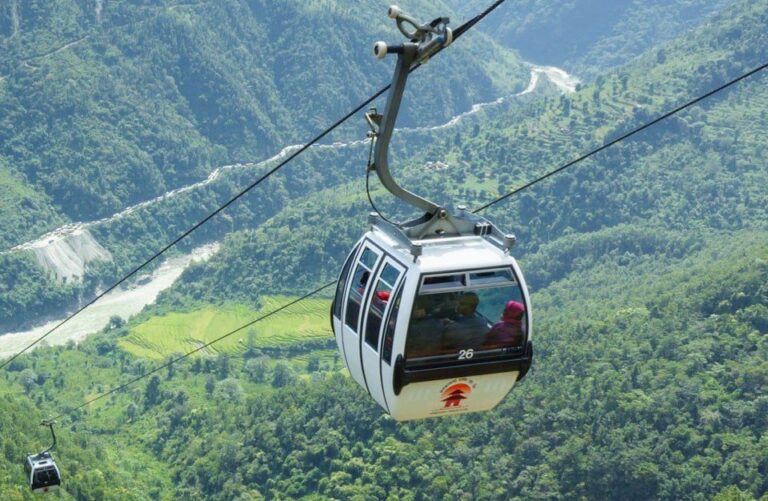
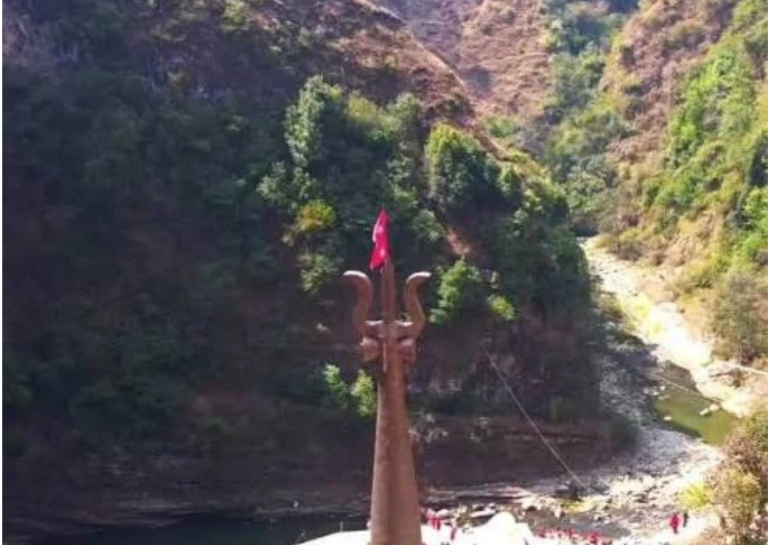
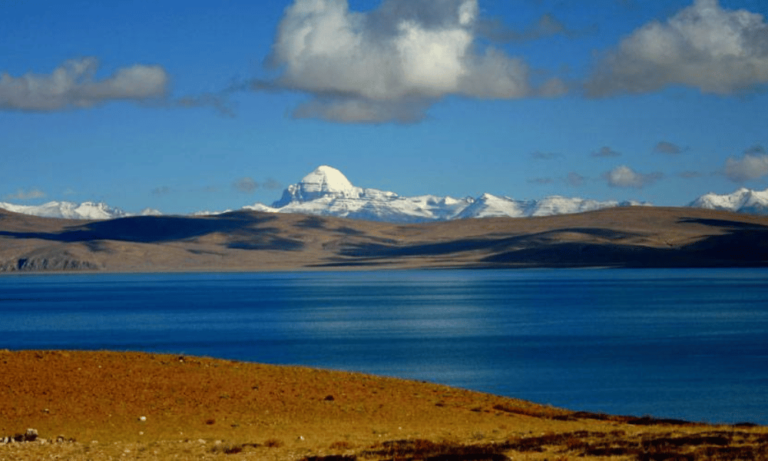
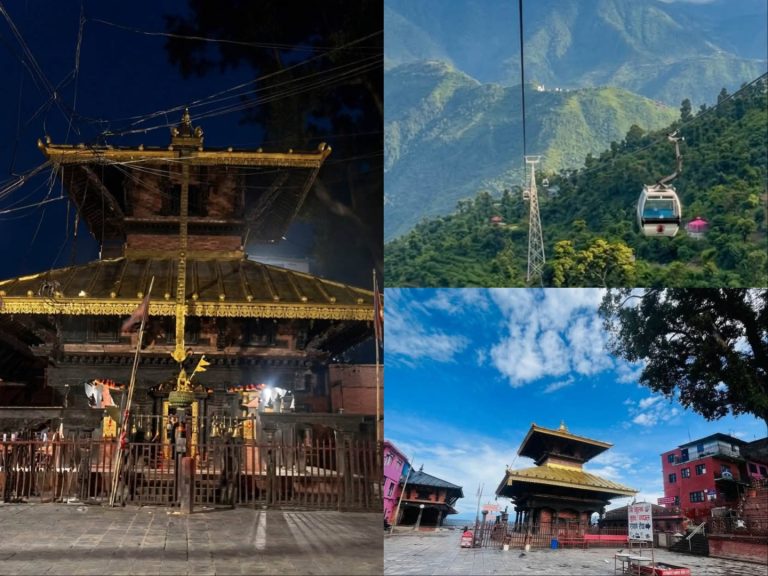
A journey to Muktinath is also an opportunity to experience the distinctive landscape and culture of Mustang. As travelers move north from Pokhara and the lower hills, the environment changes dramatically. Green valleys gradually give way to dry cliffs, rocky mountains, deep gorges and windswept highlands. Traditional villages, Buddhist monasteries, prayer flags and distinctive Himalayan architecture reflect the region’s strong trans-Himalayan cultural influences. The journey therefore provides travelers with an opportunity to experience not only a sacred site but also a unique Himalayan way of life.
Kagbeni: A Historic Stop Along the Way
Kagbeni is one of the most memorable places to visit on the journey toward Muktinath. Located along the Kali Gandaki Valley, the historic settlement is known for its narrow lanes, traditional houses, Buddhist monuments, and distinctive Himalayan atmosphere. It is also associated with Hindu ancestral rituals performed near the river confluence. For photographers and cultural travelers, Kagbeni can be as memorable as Muktinath itself.
Jomsom, Marpha and the Lower Mustang Experience
Travelers with additional time can explore other settlements in the region. Jomsom serves as an important gateway to Muktinath and the wider Mustang region. It is particularly important for travelers arriving by air from Pokhara. Marpha, famous for its traditional Thakali culture and stone-built settlement, offers another opportunity to experience Mustang’s heritage. Its surrounding apple-growing landscape adds a different character to the otherwise dry Himalayan environment. Other nearby settlements such as Tukuche also provide opportunities to experience traditional communities and the dramatic Kali Gandaki Valley. Travelers with sufficient time can continue toward Upper Mustang, although the area has additional access requirements and permits.
Muktinath on the Annapurna Circuit
Muktinath is one of the most significant destinations on the Annapurna Circuit Trek. Trekkers traditionally cross the challenging Thorong La Pass before descending toward Muktinath. Reaching the sacred site after crossing the high mountain pass creates a memorable combination of adventure and spirituality. For those who do not have the time or physical ability to complete the entire circuit, Muktinath can also be reached by road or through the Pokhara–Jomsom air route. This accessibility makes the destination suitable for a much wider range of travelers than many other high-altitude Himalayan sites.
How to Reach Muktinath
Travelers have several options depending on their time, budget, and preferred experience.
By Air
The fastest option is generally to fly from Pokhara to Jomsom and then continue toward Muktinath by road. Mountain flights are highly dependent on weather, however, so schedules can change because of wind, cloud or visibility.
By Road
Road connections through the Beni–Jomsom–Muktinath route have made the destination significantly more accessible. Jeep travel is particularly popular among pilgrims and domestic travelers. The road journey takes longer than flying but provides an opportunity to experience the changing landscapes of the Kali Gandaki Valley.
By Trek
Adventure travelers can reach Muktinath as part of the Annapurna Circuit or through shorter trekking itineraries around Jomsom, Kagbeni, and the surrounding region.
When Is the Best Time to Visit?
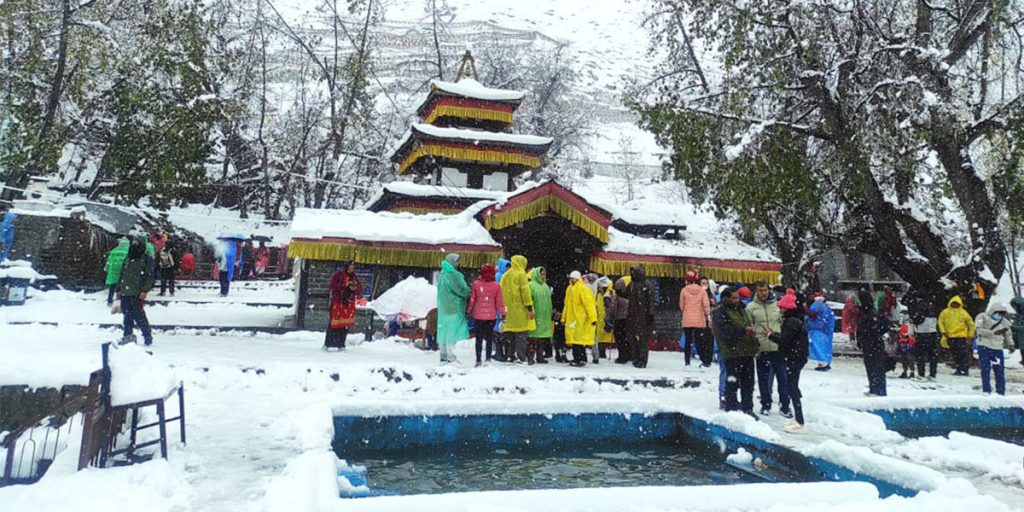
The best periods for visiting the Annapurna and Mustang region are generally spring and autumn. March to May offers favorable conditions for trekking and sightseeing, while September to November is particularly popular because of generally stable weather and clear mountain views. Winter can be extremely cold at Muktinath, although experienced travelers may find the snowy landscape rewarding. During the monsoon, Mustang itself lies in a relatively dry rain-shadow area, but roads and access routes in other parts of the journey can be affected by rainfall and landslides. Travelers should always check current weather and transportation conditions before departure.
Altitude and Health: An Important Consideration
At approximately 3,800 metres, Muktinath is a high-altitude destination. Visitors arriving from lower elevations should take altitude seriously. Travelers should:
- Give their bodies time to adjust to the altitude.
- Walk slowly and avoid unnecessary physical exertion.
- Drink sufficient water.
- Keep warm, particularly during mornings and evenings.
- Carry necessary personal medicines.
- Pay attention to symptoms such as severe headache, unusual weakness, dizziness, or breathing difficulties.
Anyone experiencing serious or worsening altitude-related symptoms should descend to a lower elevation and seek medical assistance.
Permits and Conservation
Muktinath lies within the Annapurna Conservation Area, so travelers should check the latest entry requirements and fees before starting their journey. Those continuing toward restricted areas such as Upper Mustang need to obtain the relevant additional permits. Visitors should also remember that Mustang is not simply a tourist destination. It is a protected landscape and the home of local communities whose culture and traditions are part of the region’s attraction. Responsible visitors should avoid littering, minimize plastic waste, respect religious sites, ask before photographing people, stay on designated routes, and support locally owned accommodation, restaurants, and services.
What Should Travelers Carry?
Because conditions can change quickly in the high mountains, visitors should prepare carefully. Essential items include:
- Warm, layered clothing
- Windproof or waterproof outerwear
- Comfortable walking or trekking shoes
- Sunglasses and sunscreen
- Hat and gloves
- Personal medication
- Reusable water bottle
- Power bank
- Identification and important travel documents
- Some cash for smaller settlements
Even when temperatures are comfortable in lower Mustang, conditions around Muktinath can be considerably colder.
How Many Days Are Enough?
The ideal length of a Muktinath trip depends on the traveler’s purpose.
A 2–3-day trip can be suitable for travelers primarily interested in pilgrimage.
A 4–6-day journey allows visitors to combine Muktinath with destinations such as Jomsom, Kagbeni and Marpha.
Those interested in trekking, culture and deeper exploration can spend considerably longer in the Annapurna and Mustang regions. Rather than treating Muktinath as a quick stop, travelers who have the opportunity should allow enough time to experience the surrounding landscape and communities.
Why Muktinath Should Be on Every Traveler’s List
Muktinath brings together experiences rarely found in one destination. It is a sacred Hindu pilgrimage site, an important Buddhist centre, a stop on one of Nepal’s most famous trekking routes and a gateway to the extraordinary landscapes of Mustang. Its 108 water spouts, Jwala Mai flame, Shaligram fossils, Kali Gandaki Valley, traditional villages and dramatic Himalayan scenery create a destination that appeals to pilgrims and non-religious travelers alike. For domestic tourists, Muktinath offers a journey deeply connected with faith, family and tradition. For international visitors, it provides a window into Nepal’s religious diversity, Himalayan culture and extraordinary natural environment.
The Journey Is Part of the Experience
The true beauty of Muktinath lies not only at the temple but throughout the journey. From the green hills around Pokhara to the rugged Kali Gandaki Valley, from Jomsom and Kagbeni to the high-altitude shrine, the landscape changes dramatically. Along the way, travelers encounter ancient traditions, diverse communities, Buddhist monasteries, Hindu pilgrimage practices and some of the most striking scenery in Nepal. Muktinath therefore offers much more than a destination to photograph or a temple to visit. It is a journey through faith, geology, culture and the Himalayas, a place where two major religious traditions share the same sacred landscape and where the journey itself becomes part of the experience.