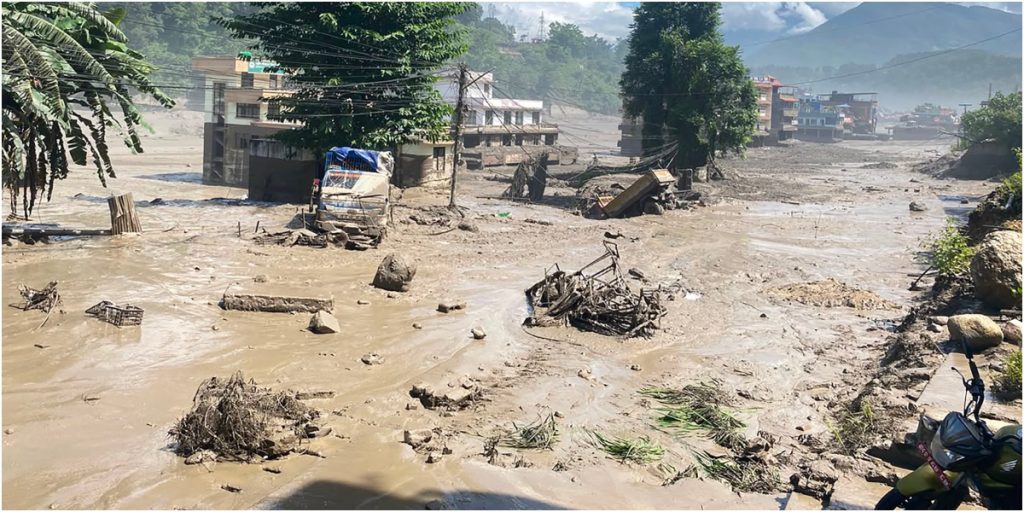
Nepal has been hit by a devastating flash flood along the Bhotekoshi and Trishuli river corridors, causing extensive damage to communities, roads, bridges, hydropower infrastructure, and tourism-related facilities in several areas. The disaster, which occurred on August 26, has raised concerns among international travellers about whether Nepal remains safe and accessible for tourism during the upcoming autumn season.
However, the situation is geographically concentrated and does not represent the condition of the entire country. Nepal remains open to international tourists, with major tourism destinations, airports and several of the country’s most important trekking regions continuing to operate. Authorities are urging travellers not to make decisions based solely on images or reports from the affected areas, but to check the specific destination and travel route before beginning their journey.
Bhotekoshi Flood Has Severely Affected Specific Areas
The most serious impacts have been recorded along the Bhotekoshi and Trishuli river corridors, particularly in parts of Rasuwa, Nuwakot and Dhading. The sudden flooding and landslides damaged roads, bridges, settlements, and other infrastructure, while rescue and recovery operations have continued in the affected areas.
Rasuwa has been among the worst-hit districts, with significant destruction reported along the northern corridor toward the Rasuwagadhi border. Because of the scale of the damage and continuing recovery operations, travellers are advised to avoid entering affected areas unless authorities have confirmed that access has been restored. The disaster should therefore be understood as a regional crisis rather than a nationwide tourism shutdown. While certain routes require caution or temporary avoidance, large parts of Nepal remain operational and continue to welcome visitors.
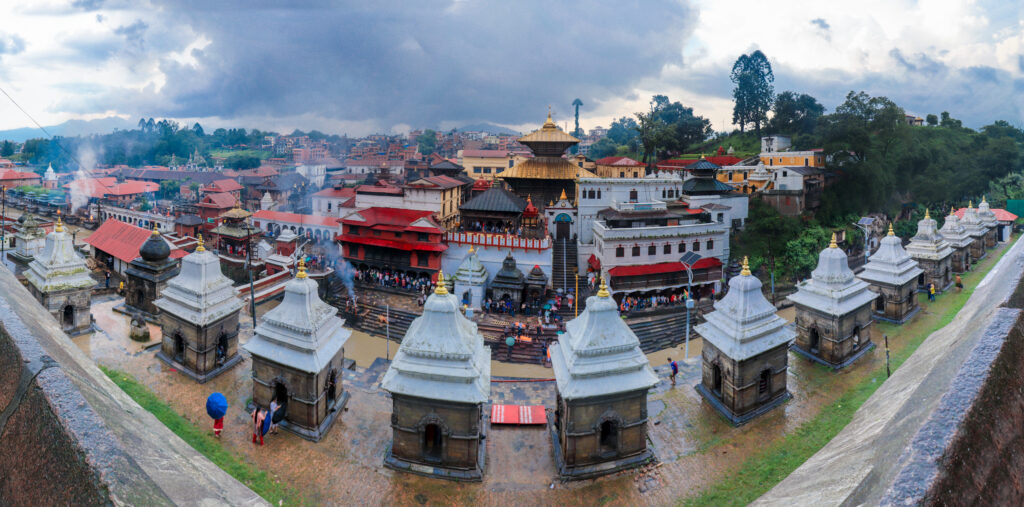
Kathmandu, Pokhara and Major Tourism Destinations Remain Open
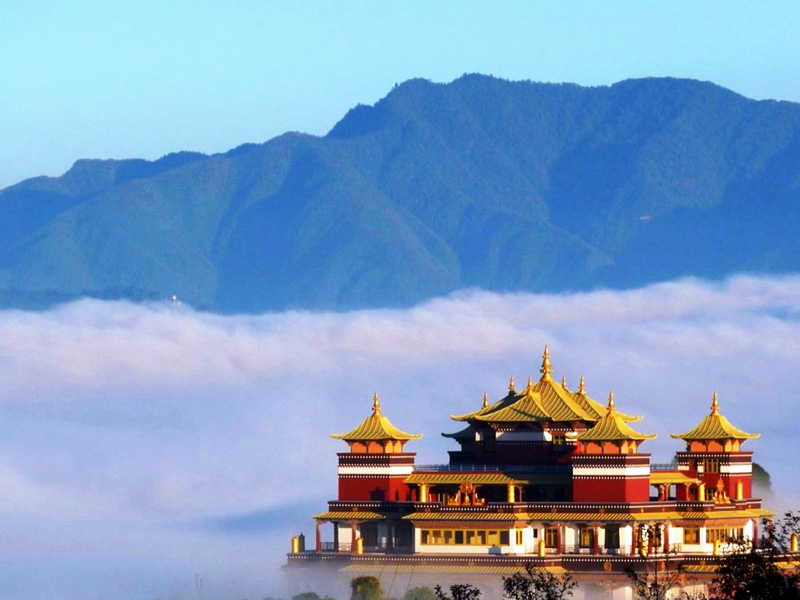
Nepal’s major tourism centres remain open for visitors. Kathmandu Valley continues to operate normally, with hotels, restaurants, travel agencies and major cultural attractions continuing to serve tourists. Visitors can still explore internationally recognised sites such as Pashupatinath, Boudhanath, Swayambhunath and the historic squares of Kathmandu Valley.
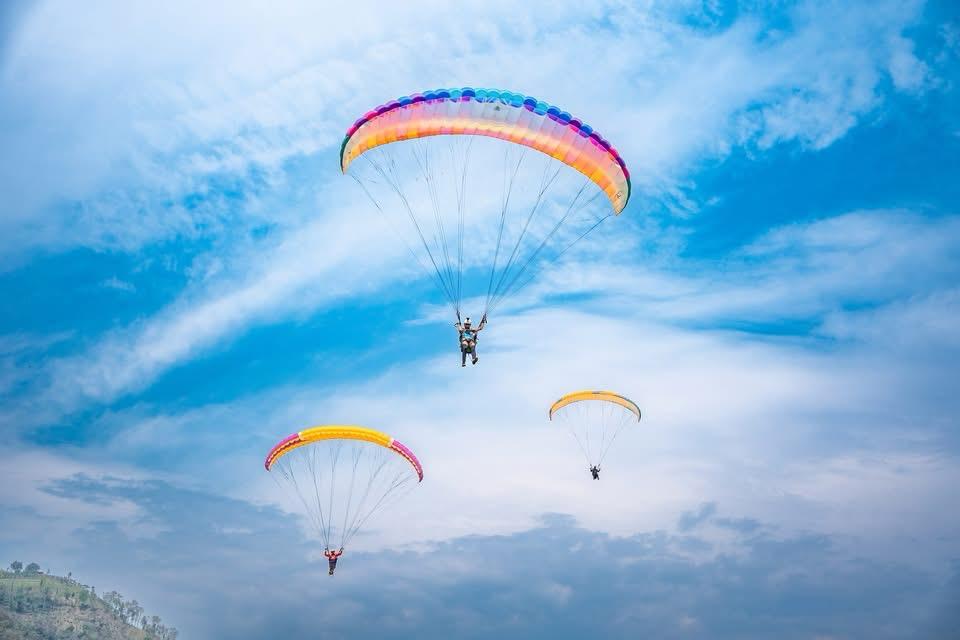
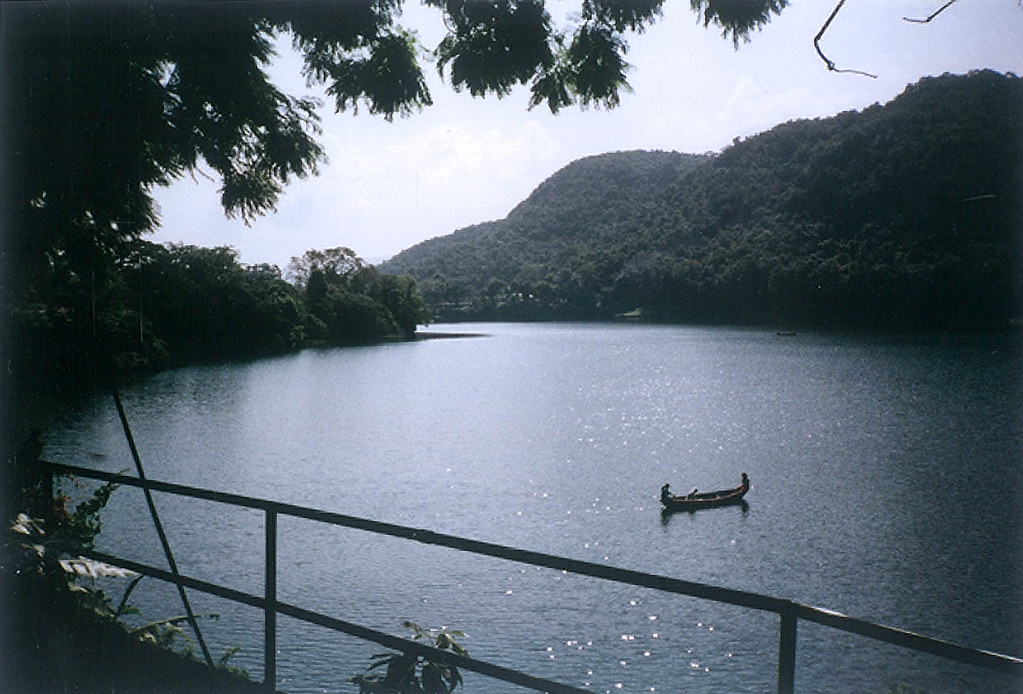
Pokhara, one of Nepal’s most important tourism and adventure destinations, also remains open. The city continues to welcome visitors for mountain views, boating, paragliding, cultural experiences and as a gateway to several trekking routes in the Annapurna region.
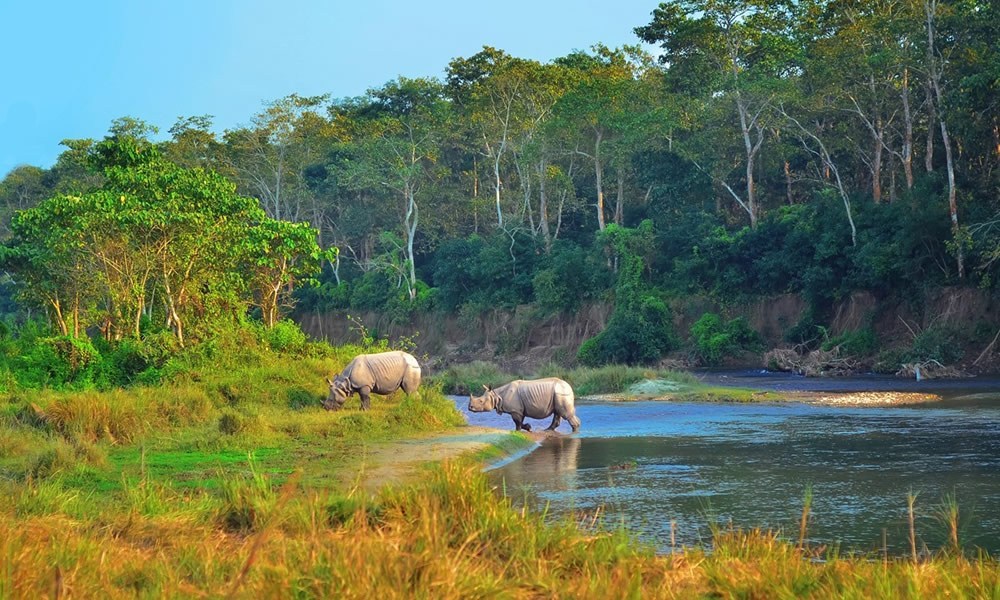
Other major destinations, including Chitwan, Lumbini, Janakpur and Bardiya, remain accessible to tourists. According to Nepal’s Ministry of Foreign Affairs, Kathmandu, Pokhara, Chitwan, Lumbini, Janakpur, Annapurna, Everest and Bardiya remain open and ready to welcome visitors. This means travellers who have planned holidays around Nepal’s major cultural, wildlife, adventure and mountain destinations do not necessarily need to cancel their trips because of the Bhotekoshi disaster.
Nepal’s International and Domestic Aviation Network Continues to Operate
Air connectivity is another important factor for international travellers considering Nepal at this time. Tribhuvan International Airport in Kathmandu remains operational, while domestic flights continue to connect Kathmandu with major tourism destinations across the country.
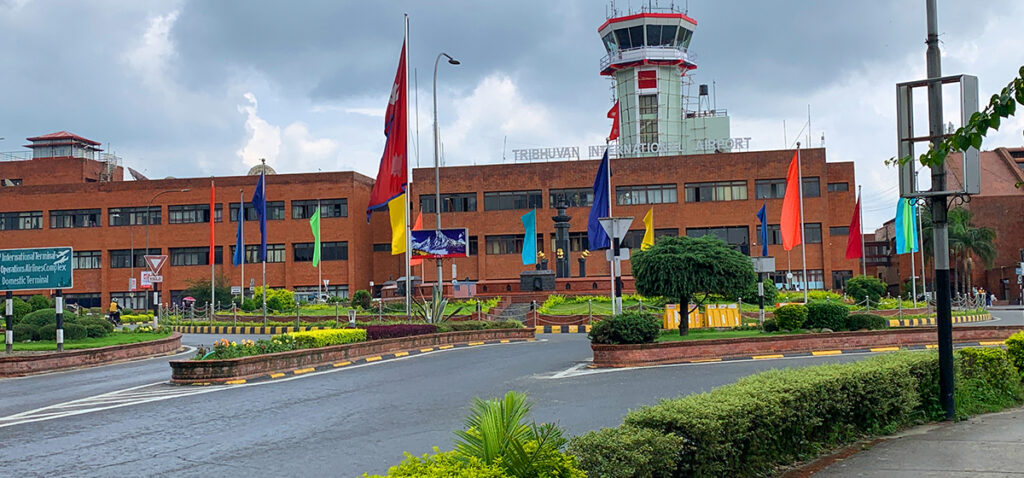
The Ministry of Foreign Affairs has stated that airports across Nepal are operating normally. Nevertheless, travellers should continue to check their individual flight status with airlines because weather conditions can occasionally affect domestic and international flight operations. For travellers whose original itineraries depended on roads passing through flood-affected areas, domestic flights may also provide an alternative means of reaching destinations such as Pokhara and other tourism hubs.
Everest and Annapurna Trekking Regions Remain Open
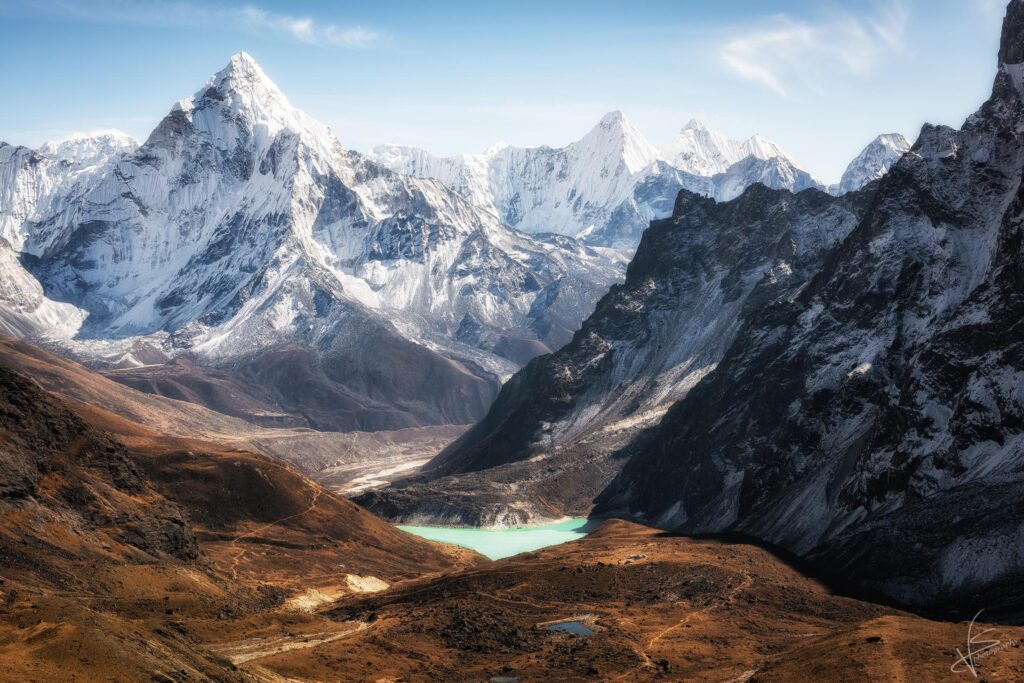
The devastating flood has also created uncertainty about Nepal’s autumn trekking season. However, the country’s principal trekking regions have not been closed as a whole. The Everest region remains open to trekkers, with the Khumbu area continuing to welcome visitors. The Everest Base Camp trek, Gokyo routes and other popular trekking itineraries remain among the major options for international visitors planning an autumn adventure in Nepal.
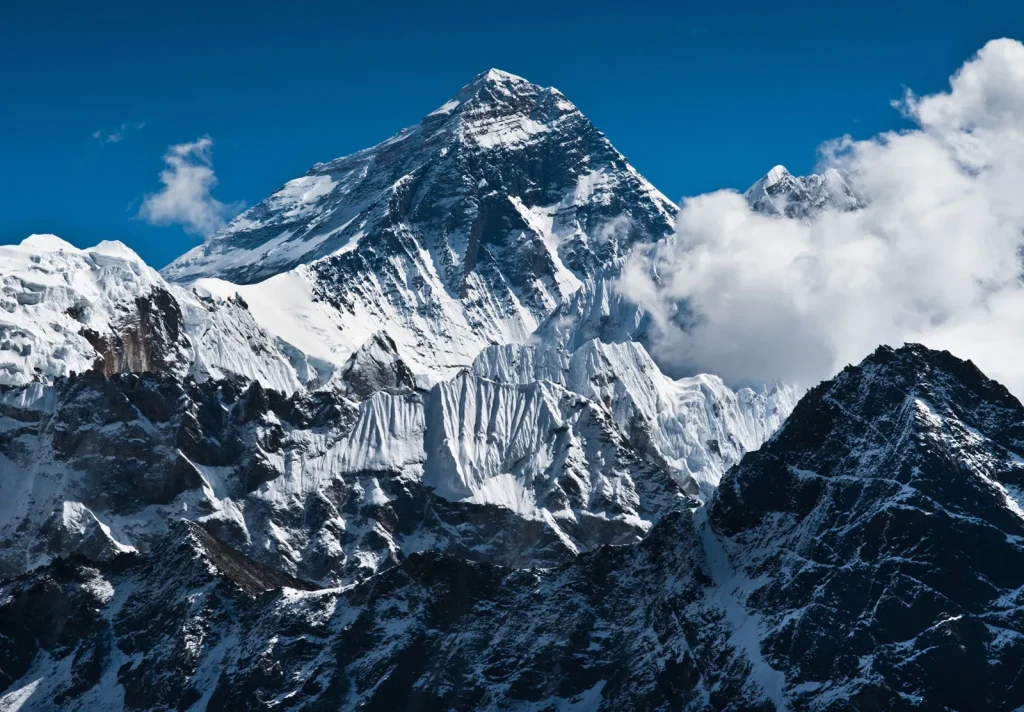
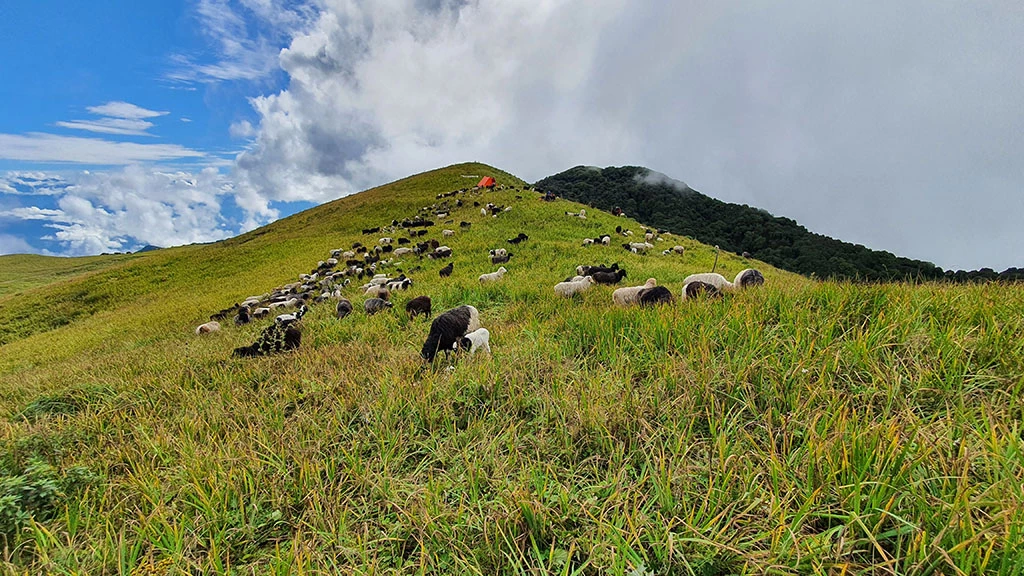
The Annapurna region also remains open. Popular routes including the Annapurna Circuit, Annapurna Base Camp, Poon Hill and Mardi Himal continue to attract trekkers. These areas are geographically separate from the Bhotekoshi disaster zone and have not been affected in the same way as the routes in Rasuwa.
Other trekking regions, including Manaslu, Kanchenjunga, Makalu, Dolpo, Dhaulagiri and several destinations in western Nepal, also remain outside the main affected corridor. However, because mountain conditions and road access can change quickly, trekkers should obtain the latest information from registered trekking agencies before departure.
Langtang and Gosaikunda Require Route-Specific Information
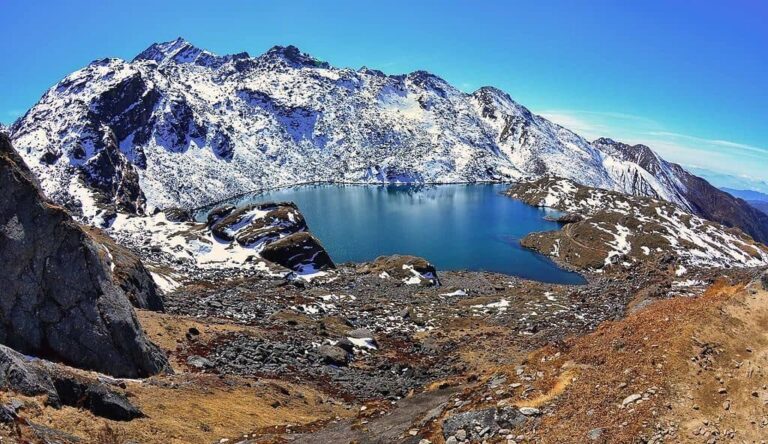
Travellers planning to visit Langtang, Gosaikunda and nearby destinations need to exercise greater caution because these areas are connected to the Rasuwa corridor, which has been significantly affected by the disaster. This does not necessarily mean that all travel to the region is impossible. However, the usual access routes may be disrupted, and travellers should not rely on information published before the flood. Current road, trail and bridge conditions should be confirmed before travelling. The Nepal Tourism Board has also highlighted alternative access information for Gosaikunda, demonstrating that travellers may need to consider different routes depending on the latest conditions.
Tourists Should Check Conditions Before Travelling
The most important advice for international travellers at present is to make decisions based on their specific itinerary rather than the situation in Nepal as a whole. Travellers should confirm the condition of their road routes, trekking trails, accommodation and transportation before departure.
Those travelling by road should check whether highways and local roads along their planned route have been affected by landslides or flood damage. Trekkers should communicate with registered trekking agencies and guides to obtain current information about trail conditions, accommodation and transportation.
Travellers should also remain flexible with their itineraries and be prepared to change routes if an area becomes temporarily inaccessible. Most importantly, tourists should avoid restricted disaster zones and should not travel to affected areas simply to observe the destruction.
Nepal Tourism Board Strengthens Tourist Assistance
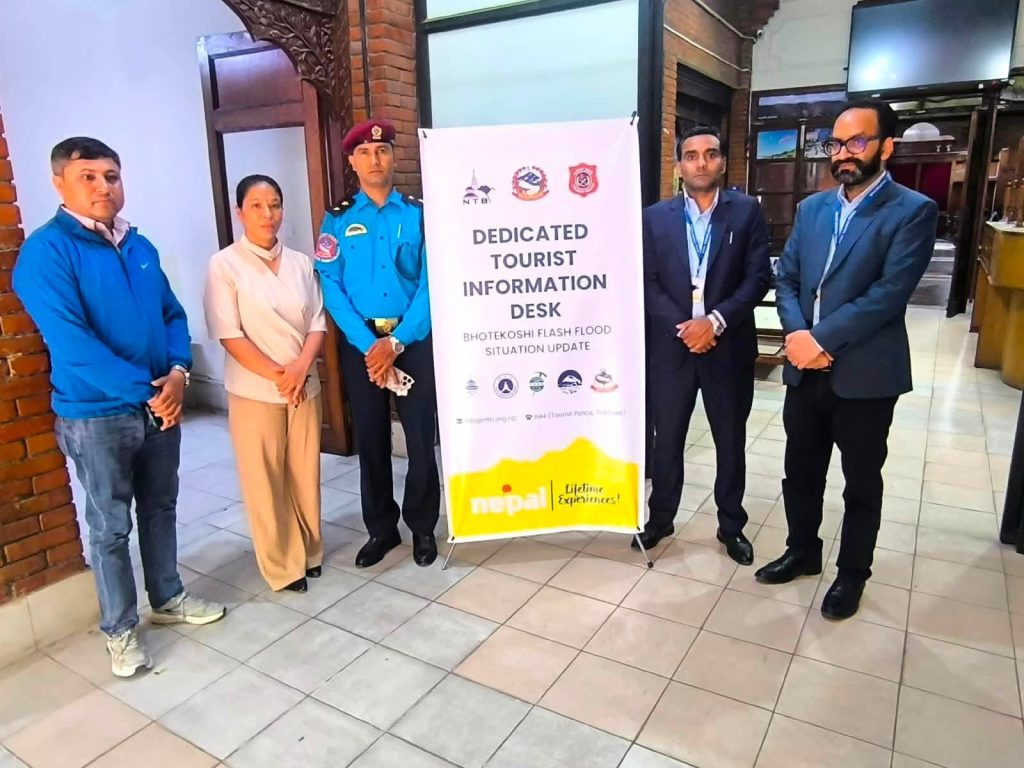
The Nepal Tourism Board, in coordination with the Tourist Police, relevant government agencies and tourism associations, has established dedicated help and information mechanisms to assist tourists and tourism stakeholders following the disaster. Dedicated Help Desks are operating at the Nepal Tourism Board office in Bhrikutimandap, Kathmandu, as well as at the domestic and international areas of Tribhuvan International Airport. These desks are intended to provide information, coordination, and support to travellers affected by the disaster. The mechanism is particularly important for tourists who may have lost contact with travel companions, experienced disruptions to their itinerary, or require updated information about transportation and destination accessibility.
Emergency Assistance Remains Available to Tourists
International visitors requiring assistance can contact Nepal’s Tourist Police. The Tourist Police emergency number is 1144, while the regular police emergency number is 100 and the Traffic Police can be reached at 103. Tourists are encouraged to use official channels when seeking information about safety, transportation, or affected areas rather than relying on unverified information circulating on social media. Registered travel agencies, trekking agencies and local tourism professionals can also provide destination-specific information, particularly for travellers heading into mountain regions where conditions can change rapidly.
#NepalCalling Sends a Message to the World
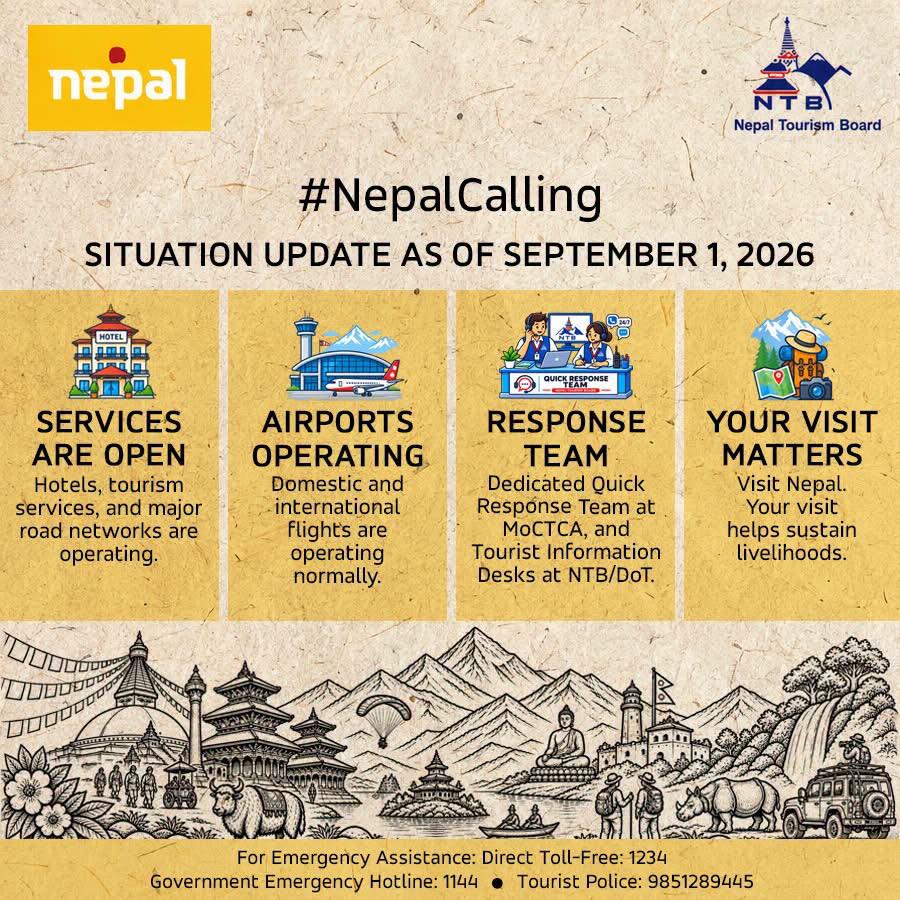
The current situation has given greater importance to the #NepalCalling campaign, which seeks to communicate that Nepal remains open to tourism despite the devastating disaster in specific parts of the country. The campaign is not about ignoring the suffering caused by the flood. Instead, it aims to help international travellers understand that Nepal is a geographically diverse country and that a disaster affecting one corridor does not mean the entire country has become inaccessible.
For Nepal’s tourism industry, the message is particularly important as the country enters its major autumn tourism season. Thousands of hotels, restaurants, trekking companies, guides, porters, transport operators, handicraft businesses, and other tourism-related enterprises depend on international visitors during this period.
It Is a Crucial Time to Support Nepal Through Tourism
Continuing to travel to Nepal safely and responsibly can provide meaningful economic support to communities whose livelihoods depend on tourism. Every hotel stay, restaurant visit, trekking journey, domestic flight, guided tour, and locally purchased product contributes to the tourism economy.
For many tourism workers, the arrival of international visitors represents much more than a holiday season. It means income for families, employment for local communities, and continued business for small enterprises that have already faced significant challenges. This is why travelling to Nepal at this time can be seen as a form of responsible tourism support, provided that travellers choose destinations that are open, follow official safety advice and respect areas undergoing recovery.
Nepal Needs Visitors, But It Also Needs Responsible Travellers
The devastation caused by the Bhotekoshi flood should not be minimised. Affected communities require humanitarian assistance, infrastructure reconstruction and long-term recovery. Rescue and relief operations must remain the immediate priority in the worst-hit areas. At the same time, shutting down tourism across the entire country would create another serious economic challenge for thousands of people who depend on visitors.
The responsible approach is therefore neither to ignore the disaster nor to assume that the whole of Nepal is unsafe. It is to understand where the damage has occurred, check current conditions, and continue travelling to destinations that are safe and accessible.
Nepal Is Open and Calling
Nepal’s mountains, heritage sites, wildlife destinations and tourism cities continue to stand ready to welcome visitors. Kathmandu remains open, Pokhara continues to operate, Chitwan and Lumbini remain accessible, and the Everest and Annapurna regions continue to offer trekking opportunities.
For international tourists, the message is clear: check before you travel, follow official information, avoid affected areas, and support local communities where it is safe to do so. At a time when Nepal is facing one of its most difficult moments, tourism can become part of the recovery story. Nepal is open. Nepal is calling. And for travellers who can safely make the journey, this may be one of the most meaningful times to visit Nepal and stand with its people through tourism.