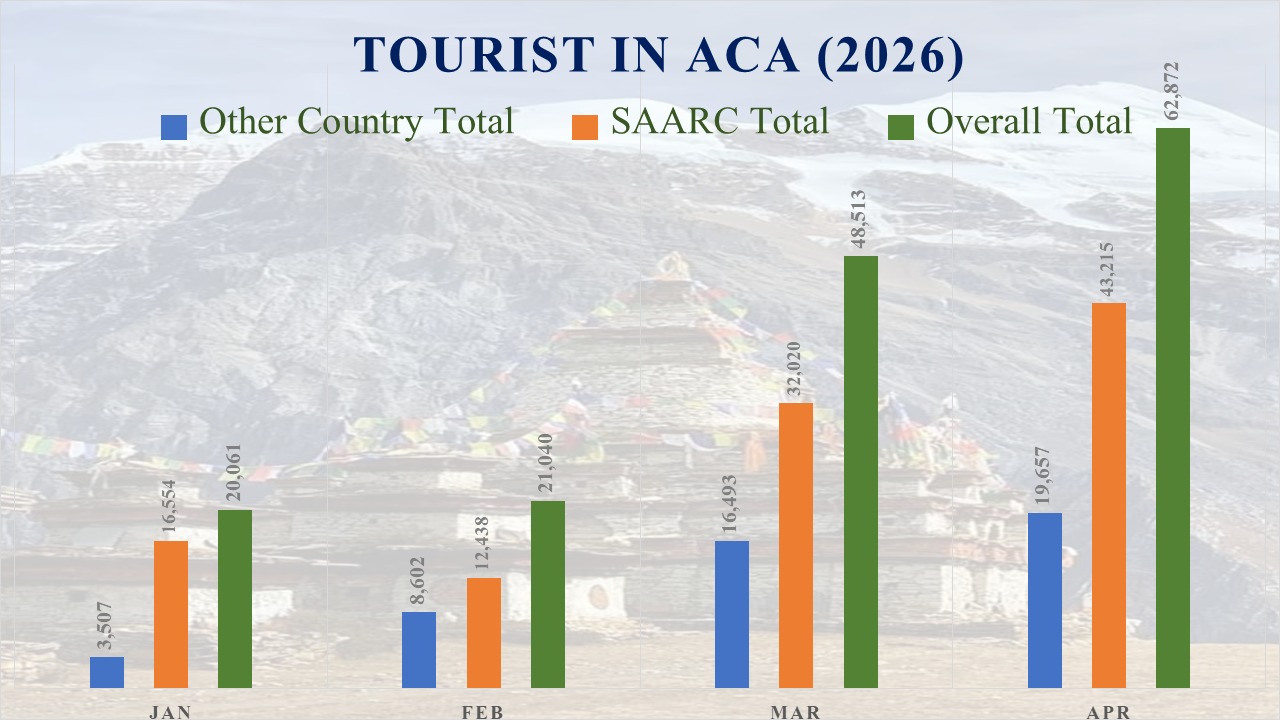
The Annapurna Conservation Area (ACA), Nepal’s largest protected region and one of its most iconic trekking destinations, has recorded a strong surge in visitor arrivals in 2026. According to recent data, a total of 152,486 tourists visited the area between January and April, highlighting its growing popularity among both regional and international travelers.
SAARC Visitors Lead Tourist Influx
Of the total arrivals, a significant 68 percent, amounting to 104,227 visitors, came from SAARC countries, reflecting the increasing interest in short-haul and regional travel within South Asia. Meanwhile, 48,259 tourists arrived from other parts of the world, demonstrating ACA’s sustained global appeal as a premier Himalayan destination.

Tourism officials note that the steady growth in monthly arrivals during the first four months of 2026 underscores a strong recovery and expansion of Nepal’s trekking tourism sector, with Annapurna remaining at the forefront.
A Premier Himalayan Destination
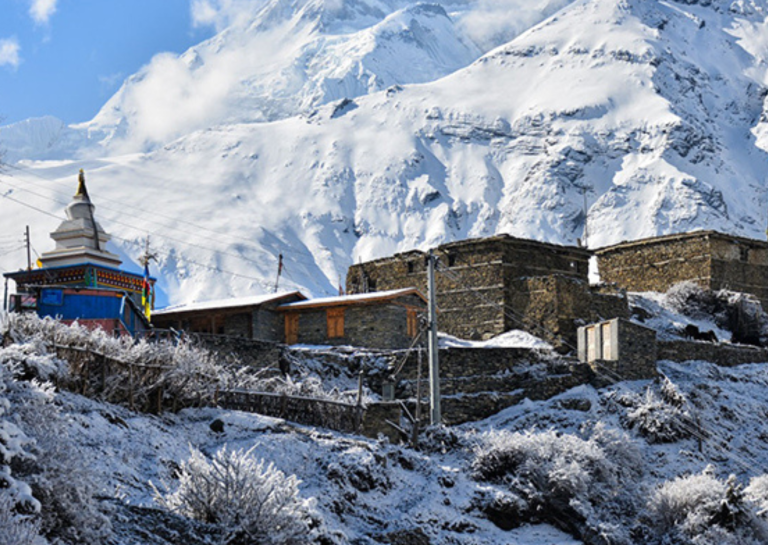
Stretching across diverse landscapes, from subtropical forests to alpine meadows and high Himalayan terrain, the Annapurna Conservation Area is renowned for its breathtaking scenery and ecological diversity. The region offers some of the world’s most famous trekking routes, including the Annapurna Circuit and Annapurna Base Camp trails, which attract adventure seekers from across the globe. The area is home to towering peaks such as Annapurna I, the tenth-highest mountain in the world, as well as a rich mix of cultures and communities, including Gurung, Thakali, and Manangi settlements.
Key Attractions Drawing Visitors
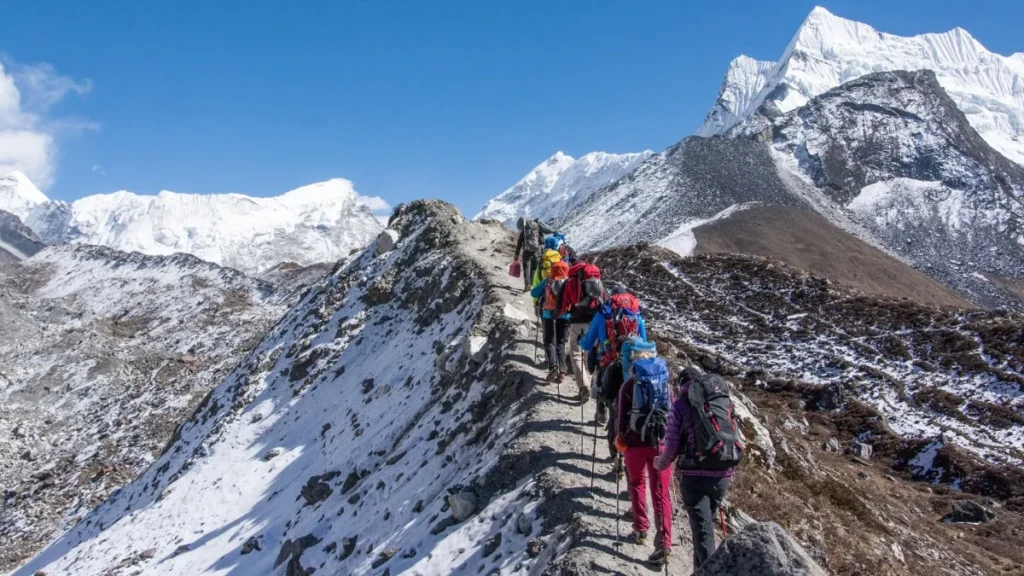
Several destinations within the Annapurna region continue to draw large numbers of tourists. Annapurna Base Camp remains a top highlight, offering close-up views of the Annapurna massif and a unique high-altitude trekking experience.
Equally popular is Ghorepani and the nearby Poon Hill viewpoint, famous for its panoramic sunrise views over the Himalayas. The scenic village of Manang attracts trekkers with its dramatic landscapes and cultural richness, while Mustang offers a distinct trans-Himalayan experience with its arid terrain and ancient Tibetan-influenced culture.
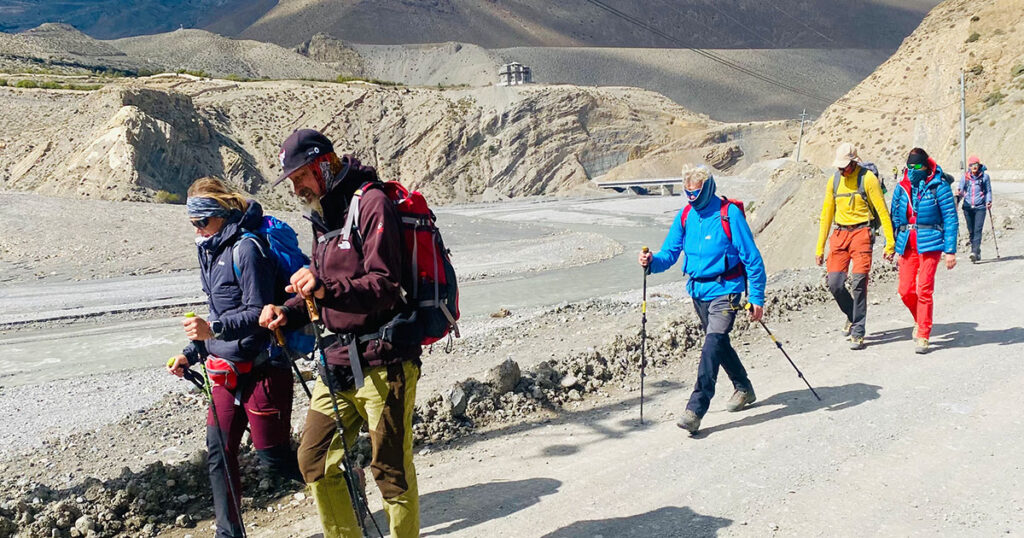
Other attractions include Tilicho Lake, one of the highest lakes in the world, and the Kali Gandaki Gorge, known as the deepest gorge on Earth. These natural and cultural highlights make ACA a comprehensive destination combining adventure, spirituality, and scenic beauty.
Conservation and Sustainable Tourism
Managed with a strong focus on conservation, the Annapurna Conservation Area balances tourism growth with environmental protection. The region is home to diverse flora and fauna, including rare species such as the snow leopard and Himalayan monal. Community-based tourism initiatives and conservation programs have played a key role in preserving the area’s natural and cultural heritage.

With consistent growth in visitor numbers and increasing interest from both regional and international markets, the Annapurna Conservation Area is expected to maintain its position as one of Nepal’s leading tourism destinations in 2026.
Tourism stakeholders believe that continued investment in infrastructure, sustainable practices, and promotion will further enhance ACA’s global reputation, drawing even more visitors to experience the unparalleled beauty of the Annapurna region.