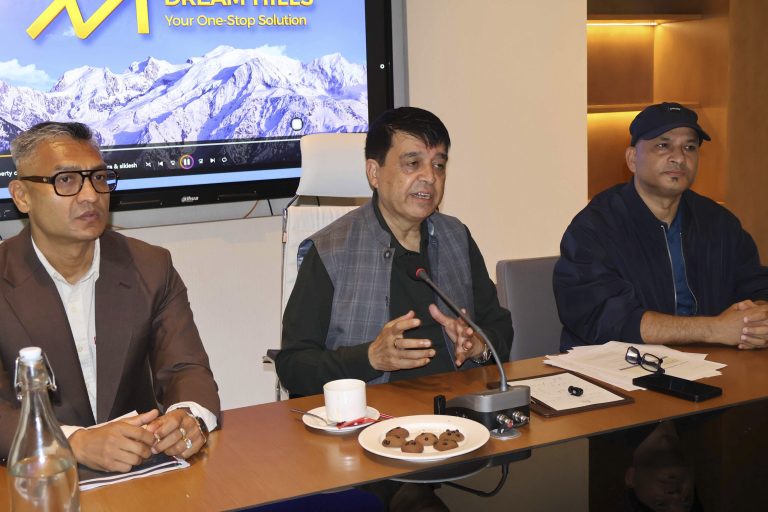
Deputy Speaker Indira Rana has stressed the need for all stakeholders to come together to develop and promote Nepal’s tourism sector, which she described as a strong foundation of the country’s economy. Speaking at the inauguration of the 35th Annual General Assembly of the Restaurant and Bar Association of Nepal (REBAN) today, she highlighted that alongside tourism, the promotion of culture also plays a vital role, with organizations such as REBAN and the Hotel Association of Nepal contributing significantly in this regard.
Focus on Quality Services and Sustainable Tourism
Deputy Speaker Rana underscored the importance of the hospitality industry in ensuring high-quality tourism services. She urged stakeholders to focus on tourism promotion while enhancing service standards to meet international expectations. Pointing to the necessity of sustainable travel development, she called for increased investment in infrastructure and the specialization of services to make Nepal a competitive destination. She also emphasized prioritizing innovation and digitization in the hospitality business to adapt to modern demands.
FNCCI Calls for State Incentives in Tourism
Addressing the same program, Senior Vice President of the Federation of Nepalese Chambers of Commerce and Industry (FNCCI), Anjan Shrestha, stated that tourism, as a vital part of economic development, must receive special incentives from the state. He stressed that for a steadily recovering economy to gain strength, all responsible parties must work with dedication and unity. Shrestha’s remarks reflected the private sector’s expectation that the government will create a more enabling environment for travel-related enterprises.
Tourism’s Role in Cultural Preservation
Former Ambassador Mahesh Dahal highlighted that the restaurant business is not only a driver of tourism promotion but also an important medium for preserving and promoting the nation’s art and culture. He praised the sector’s contribution to promoting Nepal’s identity on the global stage. According to Dahal, state encouragement is necessary to strengthen tourism businesses that carry Nepal’s heritage to the international community.
Need for Policy Reforms in Hospitality
President of the Hotel Association Nepal, Binayak Shah, expressed concern that despite large-scale investments in the hospitality industry, its full potential has yet to be realized. He pointed out that the lack of policy reforms has discouraged investors, stressing the urgent need for changes that can ensure maximum utilization of the industry’s capacity. Shah’s statement reflects the concerns of many entrepreneurs who believe policy-level adjustments are critical for sustainable growth in the sector.
Public-Private Partnership for Tourism Promotion
Senior tourism entrepreneur Kishor Raj Pandey emphasized the importance of effective collaboration between the government and the private sector to promote travel. He suggested that joint initiatives could amplify Nepal’s visibility in the international tourism market and help overcome existing challenges. Pandey’s remarks align with the broader consensus that tourism development requires a coordinated approach involving all key players.
REBAN Demands Industry Recognition for Restaurant Sector
REBAN President Sangharsha Shrestha called on the government to grant the restaurant business the same recognition as other industries, given its significant contribution to the national economy. “Billions have been invested in the restaurant sector,” he said. “The government must encourage this business to keep it active and to strengthen it economically.” Shrestha’s comments underline REBAN’s long-standing demand for policy recognition and incentives for the restaurant industry.
Calls for Incentives, Concessions, and Policy Changes
REBAN Vice President Naresh Dhoj Shrestha also reiterated the demand for industry-level recognition for the restaurant business, along with necessary concessions and facilities from the state. He stressed that such measures are essential for the growth and sustainability of the sector. Similarly, REBAN Pokhara Vice President Bikash Bhattarai pointed out the urgent need for policy reforms to foster tourism development, noting that without a favorable regulatory framework, the sector cannot achieve its full potential.
Hospitality and Tourism as Economic Pillars
Tourism has long been considered one of Nepal’s most promising economic pillars, contributing significantly to GDP and providing employment opportunities across the country. The hospitality industry, comprising hotels, restaurants, and other travel-related services, serves as a backbone for this sector. However, challenges such as inconsistent policies, insufficient infrastructure, and limited investment in innovation have hindered growth.
The speeches at the REBAN annual general assembly reflected a common understanding among stakeholders: the hospitality and tourism sectors must not only cater to domestic demand but also compete on an international level. With Nepal’s rich cultural heritage, natural beauty, and unique cuisine, the potential is vast, but it requires cohesive action, supportive government policies, and sustained investment.
Looking Ahead: Strengthening Nepal’s Tourism Appeal
As the global tourism market continues to evolve, Nepal faces both opportunities and challenges. The call for digitization, service specialization, and sustainable practices reflects the industry’s awareness of changing traveler preferences. At the same time, demands for state incentives, policy reforms, and infrastructure investment underscore the need for systemic support.
Deputy Speaker Rana’s message serves as a timely reminder that tourism development is not solely the responsibility of the private sector or the government but a shared national priority. A unified approach, blending cultural promotion with modern hospitality standards, could help Nepal not only recover from recent economic slowdowns but also emerge as a stronger and more competitive destination in the years ahead.