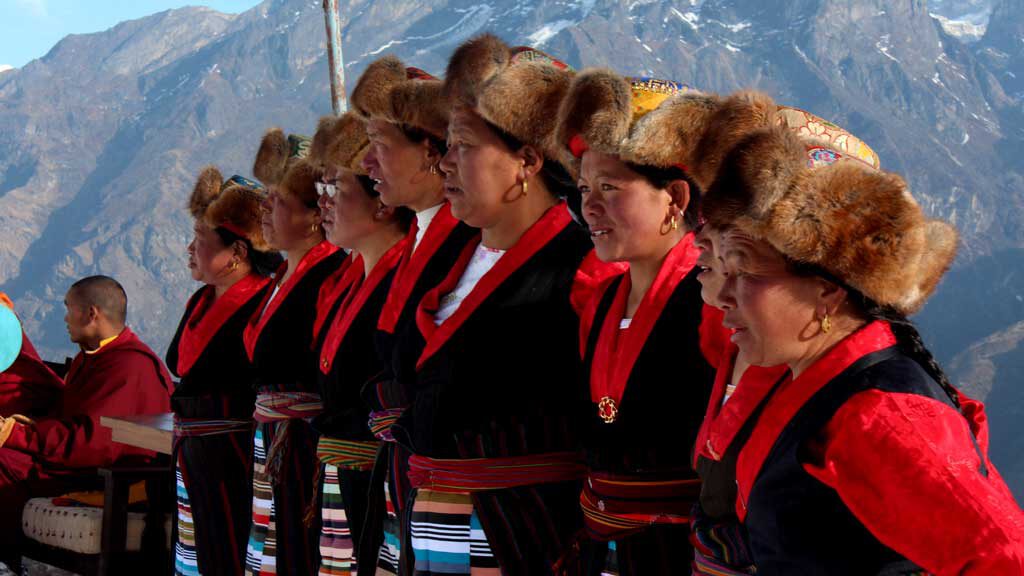
The Sherpa community marked the Gyalpo Lhosar today with vibrant celebrations, rituals, and family gatherings, welcoming the New Year with deep spiritual devotion and cultural pride. Observed annually on Falgun Shukla Pratipada, Gyalpo Lhosar is one of the most significant cultural festivals of Himalayan Buddhist communities and coincides with the Tibetan New Year. Across Nepal and neighboring Himalayan regions, the festival symbolizes renewal, gratitude to nature, and the strengthening of social harmony.
Culture: Preserving Ancient Himalayan Traditions
Gyalpo Lhosar, meaning “King’s New Year,” has its historical roots in ancient Tibet and is believed to have evolved from a spring festival celebrated during the reign of the ninth Tibetan king, Ude Gungyal. Over centuries, the observance transformed into a formal New Year celebration that blends spiritual rituals with cultural expression.
The festival follows the lunar calendar and is celebrated from the second day of the waxing moon in Falgun until the full moon. It operates within a 12-year zodiac cycle, with each year represented by an animal sign: Rat, Ox, Tiger, Rabbit, Dragon, Snake, Horse, Sheep, Monkey, Bird, Dog, and Boar, reflecting the philosophical connection between human life and cosmic rhythms.
Traditional practices include visiting sacred water sources, offering prayers to Nagas (serpent deities) and water spirits, and performing “sang” or smoke offerings to purify the environment and honor natural elements. Homes are cleaned and decorated, monasteries host special prayers, and families gather to exchange blessings, festive meals, and goodwill for the year ahead.
Community: A Festival that Strengthens Social Bonds
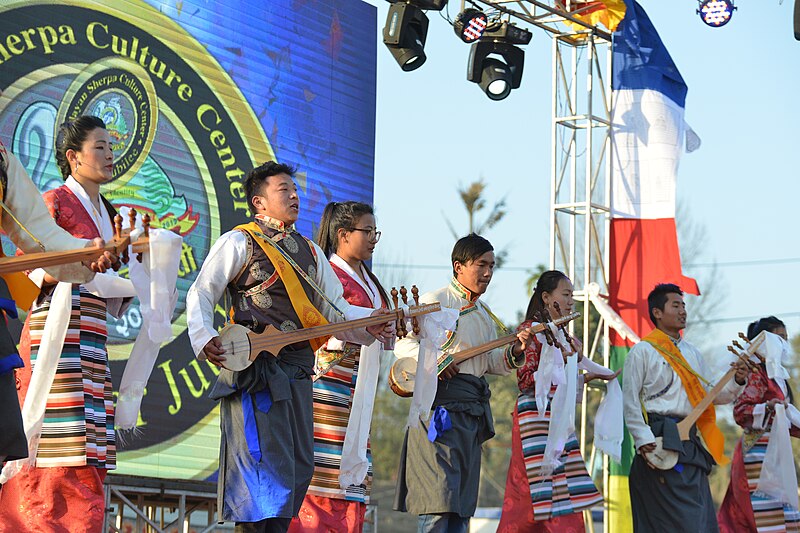
Beyond rituals, Gyalpo Lhosar is a celebration of togetherness. Families reunite, elders pass down cultural knowledge, and younger generations participate in dances, songs, and communal feasts that reinforce identity and belonging.
Historically observed in 12 Himalayan districts, the festival is now celebrated in 22 districts due to migration and settlement patterns of the Sherpa people. Urban centers as well as rural villages host cultural programs, traditional performances, and community gatherings, reflecting how the festival has adapted to changing demographics while retaining its original spirit.
The celebration also resonates beyond Nepal, being observed in regions with Himalayan cultural influence such as Sikkim and the hill districts of Darjeeling and Kalimpong, where communities with Tibetan Buddhist heritage welcome the New Year with similar customs and rituals.
Continuity: Carrying Heritage into the Future
Gyalpo Lhosar stands as a living example of cultural continuity, an intergenerational bridge linking ancestral wisdom with modern life. Scholars note that while the setting of celebrations has expanded geographically, the philosophical foundation remains unchanged: respect for nature, harmony among people, and mindfulness in daily living.
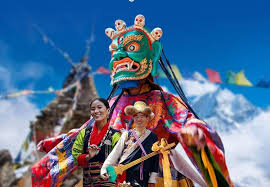
The festival underscores humanity’s relationship with the environment, encouraging gratitude for natural resources and promoting balance between material progress and spiritual well-being. As communities face modernization and migration, Gyalpo Lhosar serves as an anchor of identity, reminding younger generations of their heritage and responsibilities toward cultural preservation.
The broader Lhosar season also reflects the diversity of Nepal’s ethnic traditions. Earlier, the Gurung community celebrated Tamu Lhosar in Poush, and the Tamang community observed Sonam Lhosar in Magh, highlighting the country’s rich mosaic of New Year festivals rooted in distinct yet interconnected Himalayan cultures.
A Celebration Rooted in Nature and Spiritual Renewal
Closely tied to the landscapes of the Himalayas and the traditions of Tibet, Gyalpo Lhosar emphasizes purification, renewal, and hope. Monasteries conduct elaborate prayers for peace and prosperity, while devotees seek blessings for health, success, and harmony in the coming year.
Cultural experts say the festival’s enduring relevance lies in its holistic philosophy, honoring the past, nurturing present relationships, and preparing spiritually for the future. This alignment with the rhythms of nature and community life has allowed Gyalpo Lhosar to thrive for centuries despite social and geographical transformations.
As celebrations unfold with traditional attire, music, and rituals, Gyalpo Lhosar continues to embody the “3C” values: Culture, through preservation of ancient customs; Community, through collective celebration and unity; and Continuity, through the transmission of heritage to future generations. In an era of rapid globalization, the festival remains a powerful reminder that cultural identity and shared traditions are essential to sustaining harmony, resilience, and a sense of belonging among Himalayan communities worldwide.