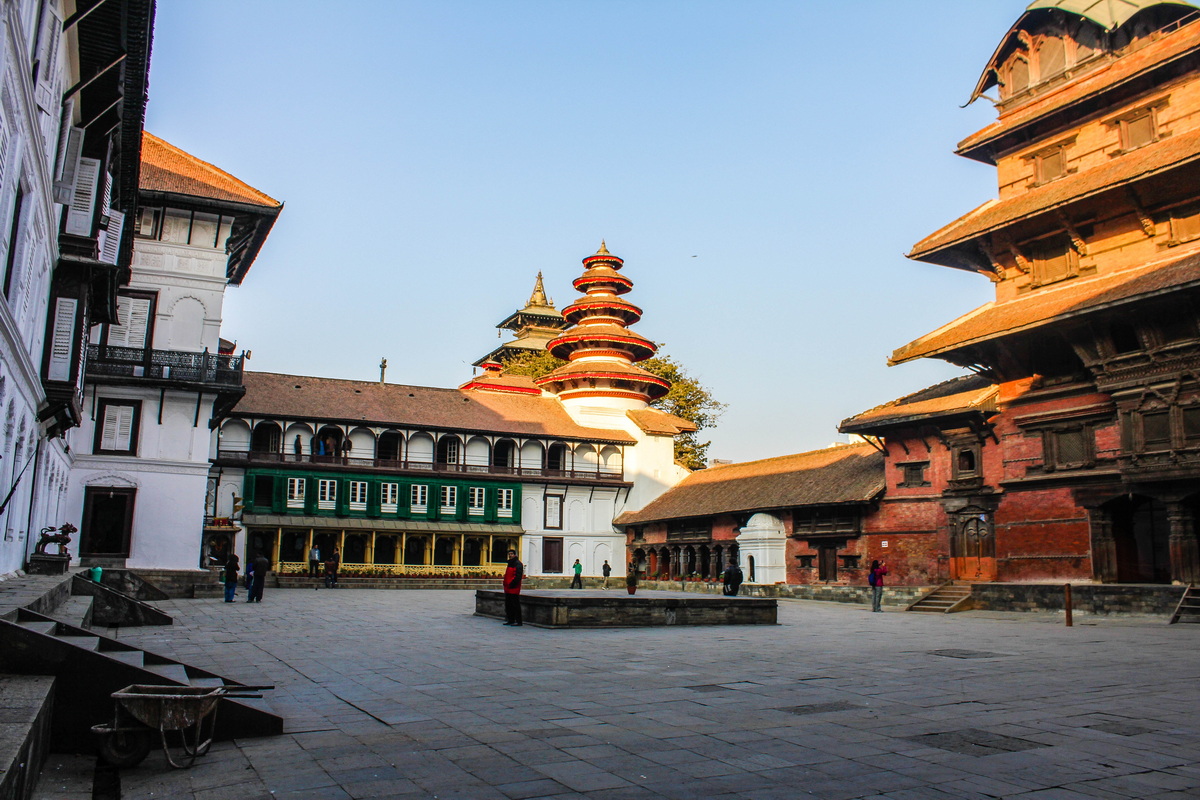
The revenue collection of Hanumandhoka Durbar Square, a UNESCO World Heritage Site located in the heart of Kathmandu, has witnessed a remarkable increase in the last fiscal year, marking a growth of more than Rs 20 million compared to the previous year. This significant rise reflects both the growing inflow of tourists and effective management of the site’s cultural assets.
Revenue Growth Outpaces Previous Year
According to Chandra Gopal Pradhan, Chief of the Hanumandhoka Durbar Square Conservation Programme, the total revenue for the last fiscal year reached Rs 194.6 million. This figure marks a substantial increase from the Rs 176.9 million collected in the fiscal year 2080/81 BS. The boost in revenue underscores the continued appeal of Hanumandhoka Durbar Square as a premier cultural and historical attraction in Nepal.
Pradhan attributed this growth to a steady rise in tourist arrivals, better promotional efforts, and enhanced visitor services. The revenue mainly comes from entrance fees charged to international visitors, with different rates for tourists from SAARC countries and other nations.
Tourist Inflow from Across the Globe
Last fiscal year, Hanumandhoka Durbar Square welcomed 50,533 visitors from the member states of the South Asian Association for Regional Cooperation (SAARC) and nearly 160,000 tourists from other countries. These figures highlight the site’s global recognition as a must-visit destination for those exploring Nepal’s rich cultural heritage.
The influx of tourists is also linked to the gradual recovery of the tourism sector following the impacts of the COVID-19 pandemic, with Kathmandu once again becoming a hub for international travelers seeking both adventure and cultural immersion.
Entrance Fees as the Primary Revenue Source
The chief source of income for the Hanumandhoka Durbar Square Conservation Programme is the entrance fee levied on foreign visitors. Currently, tourists from SAARC member countries are charged Rs 500 per person, while visitors from other countries are charged Rs 1,000 per person.
Although Nepali citizens are exempt from paying an entrance fee to access the square, they are required to pay a fee to visit the museum housed within the site. This policy ensures that the heritage site remains accessible to local residents while generating necessary funds for its upkeep and conservation from international tourism.
Importance of Revenue for Conservation
The funds collected are primarily used for the maintenance, preservation, and promotion of Hanumandhoka Durbar Square. Being a UNESCO World Heritage Site, the area requires regular conservation work to safeguard its centuries-old palaces, courtyards, temples, and other architectural treasures.
Pradhan emphasized that revenue from entrance fees plays a crucial role in protecting the integrity of the site and ensuring that future generations can experience its historical and cultural significance. This includes restoration of damaged structures, maintenance of public spaces, and improvement of visitor facilities.
Cultural Significance of Hanumandhoka Durbar Square
Hanumandhoka Durbar Square holds immense cultural, religious, and historical value. Once the royal palace complex of the Malla kings and later the Shah dynasty, the site is an open-air museum of Nepal’s architectural excellence, featuring intricate woodwork, stone sculptures, and religious shrines.
It is also home to the living goddess Kumari, with her residence, the Kumari Ghar, being one of the main attractions for visitors. The square remains a focal point for cultural festivals, including Indrajatra and Dashain, attracting both locals and tourists alike.
Plans to Enhance Visitor Experience
Looking ahead, the Hanumandhoka Durbar Square Conservation Programme aims to further enhance the visitor experience through improved signage, guided tours, and digital information systems. Pradhan shared that discussions are underway to develop new promotional strategies targeting both domestic and international markets to sustain growth in tourist arrivals.
There are also plans to collaborate with tourism agencies, cultural organizations, and local communities to promote the square as part of broader heritage tourism circuits in Kathmandu Valley.
A Positive Outlook for Heritage Tourism
The steady rise in revenue and visitor numbers at Hanumandhoka Durbar Square is seen as a positive sign for Nepal’s heritage tourism sector. With effective management, strategic marketing, and a focus on preservation, the site is poised to continue attracting a diverse range of travelers while contributing to the local economy.
Pradhan expressed optimism that with continued investment in conservation and visitor services, the square’s appeal will only grow in the coming years. He also called on visitors to respect the site’s cultural values, noting that responsible tourism is key to maintaining its UNESCO World Heritage status.