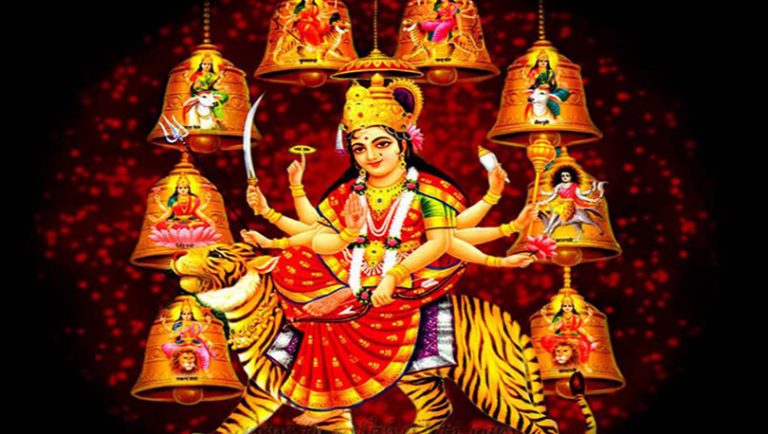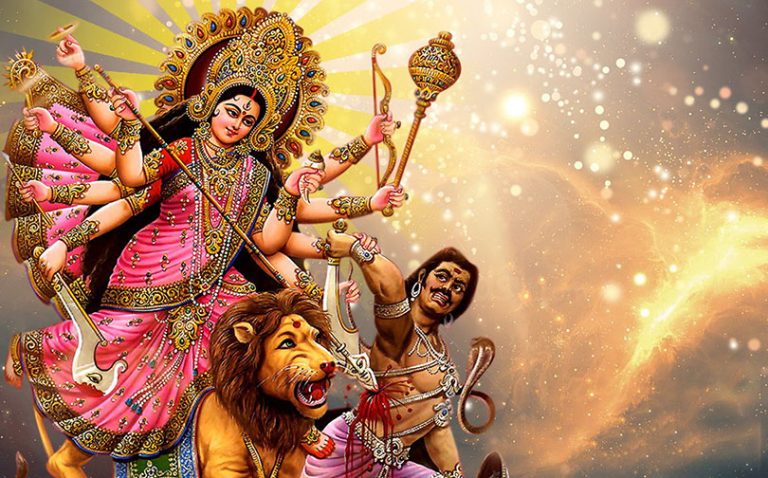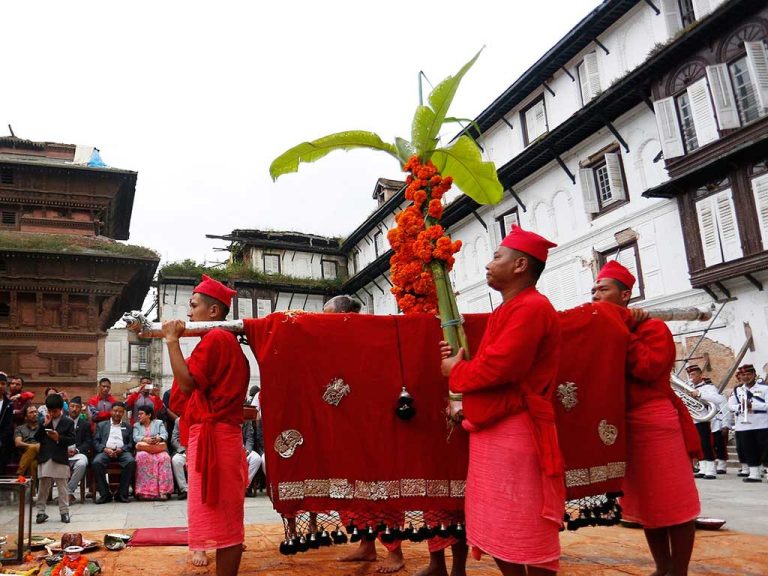
Hindus across Nepal are observing Kojagrat Poornima, the full moon day, today as the final day of the 15-day Bada Dashain festival, one of the most significant and widely celebrated festivals in the country. Devotees are worshipping Mahalaxmi, the goddess of wealth and prosperity, at their homes and keeping vigil throughout the night in accordance with long-standing religious customs.
The Kojagrat Poornima holds immense religious importance in Hindu culture. It is believed that on this night, Goddess Mahalaxmi, who symbolizes fortune and abundance, takes a journey across the world to see who is observing the vigil. Families across the nation light oil lamps, decorate their homes, and pray to the goddess with devotion, hoping to receive her blessings of wealth, health, and prosperity for the coming year. Devotees engage in special rituals in the evening, and many remain awake all night, chanting prayers and performing religious rites as a demonstration of their faith.
Significance of Kojagrat Poornima
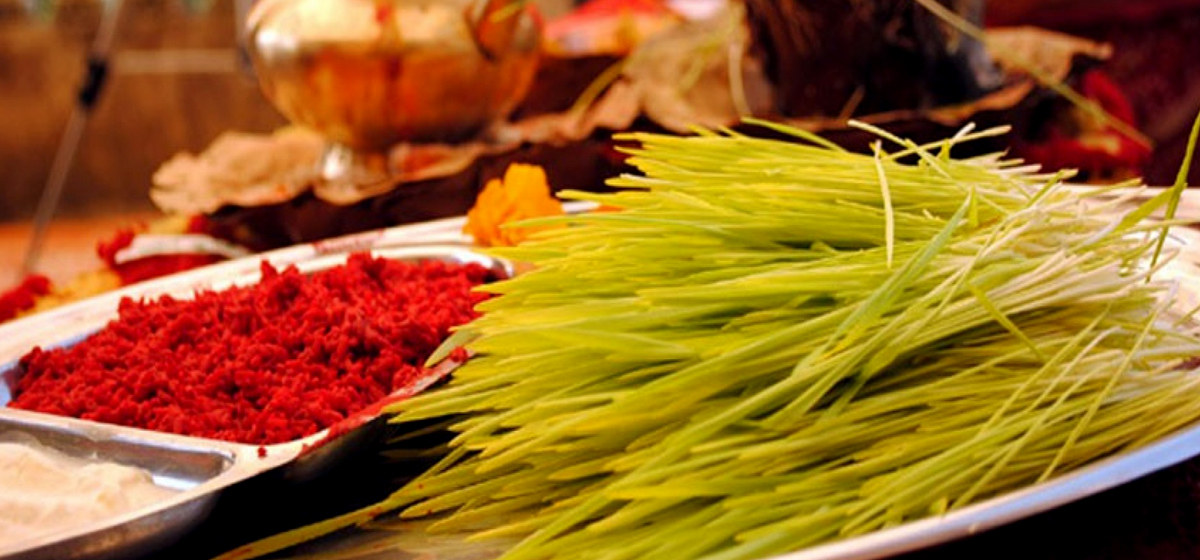
The Kojagrat Poornima is more than just a religious observance; it marks the formal conclusion of Bada Dashain, Nepal’s longest and most prominent festival. The festival itself, spanning 15 days, begins with Ghatasthapana, when Jamara (barley shoots) is planted, and Tika and Jamara are offered to elders as a symbol of blessings and family bonding. Today, as the festival comes to a close, devotees return the Jamara to nature by immersing it in rivers, ponds, and other holy places, following age-old traditions.

In households across Nepal, worship of Mahalaxmi on Kojagrat Poornima involves a series of rituals that include offering flowers, fruits, sweets, and lighting butter lamps. Devotees recite mantras and prayers to invoke the goddess’s blessings, seeking good fortune and prosperity. The overnight vigil, known as jagaran, is considered essential for attracting the goddess’s grace. Families often gather together for prayers, storytelling, and singing devotional songs, fostering a sense of unity and shared devotion.
Cultural and Religious Practices
Kojagrat Poornima is observed with unique customs in different regions of Nepal. In the Terai region, many communities hold fairs and cultural programs in honor of Mahalaxmi, while in urban areas, families observe the ritual at home with elaborate worship setups. Lamps are placed in every corner of the house to invite positivity and prosperity. Traditional foods and sweets are prepared for the offerings, and neighbors often visit each other’s homes, exchanging greetings and blessings.
The conclusion of Tika and Jamara rituals on this day also holds symbolic significance. The Jamara, which was sprouted and nurtured over the course of the festival, represents growth, renewal, and the nurturing of prosperity. By immersing it in water, devotees symbolize the natural cycle of life, returning what was cultivated to the earth in reverence and gratitude. This practice underscores the deep connection between religious rituals and ecological consciousness in Nepalese culture.
Community Engagement and Festive Spirit
Despite the conclusion of the Dashain festivities, Kojagrat Poornima brings communities together in celebration and devotion. Temples across the country are crowded with worshippers, and the sounds of devotional songs and the fragrance of incense fill the air. Many families use this day to engage in charitable activities, feeding the needy and providing support to underprivileged communities, reflecting the values of generosity and compassion central to Dashain celebrations.
Authorities and religious leaders also emphasize safety during Kojagrat Poornima, advising devotees to observe rituals in a secure and organized manner. With the widespread lighting of lamps and candles, fire safety is a key concern. Many households take precautions to prevent accidents, ensuring that the night-long vigil is both spiritual and safe.

The celebration of Kojagrat Poornima signifies the official end of the Bada Dashain festival, bringing together family, faith, and tradition. After 15 days of religious observances, cultural programs, family gatherings, and communal festivities, the festival closes with a reaffirmation of devotion, gratitude, and hope for a prosperous future.
For many Nepalese, Kojagrat Poornima is more than just a ritual; it is a reaffirmation of faith, a celebration of family unity, and an opportunity to seek the blessings of Goddess Mahalaxmi. As devotees across the country observe the night vigil and perform rituals with sincerity, the age-old belief that the goddess bestows her wealth on those who remain devoted continues to inspire spiritual dedication and cultural pride.
The festival leaves behind memories of togetherness, joy, and reverence, preparing families to embrace the year ahead with optimism and devotion. Kojagrat Poornima, therefore, is not only the conclusion of Bada Dashain but also a celebration of faith, culture, and the timeless traditions that unite the people of Nepal.