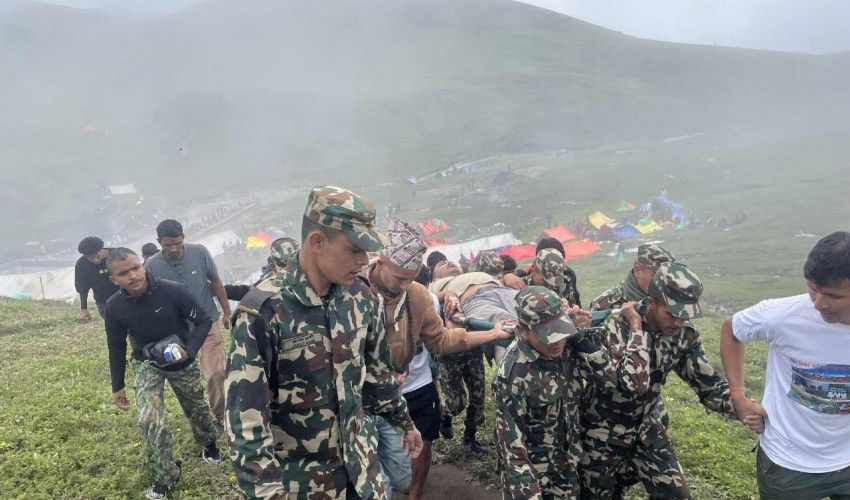
The Nepal Army’s health assistance initiative, organized to coincide with the Janai Purnima festival, has successfully provided medical support to 6,233 pilgrims across several key pilgrimage destinations in the country. The program, aimed at ensuring the safety and well-being of devotees undertaking physically demanding treks to remote religious sites, was conducted by medical teams from different Nepal Army units.
Medical Support at Bajura’s Badimalika Temple Route
One of the largest health assistance efforts took place in Bajura district, where the Ishwaribaks Gulm unit of the Nepal Army deployed a fully equipped medical team along the route to the Badimalika Temple. This team examined 858 pilgrims, offering both health check-ups and necessary medicines free of cost. The initiative targeted devotees making the arduous journey to the temple, which is known for its challenging terrain and high altitude.
The Army’s Directorate of Public Relations and Information reported that many of the pilgrims were suffering from fatigue, altitude-related symptoms, and minor injuries sustained during the trek. Immediate medical intervention helped several devotees avoid more serious health complications.
Assistance in Baglung, Okhaldhunga, and Dhorpatan
In Baglung district, the Durga Bhanjan Gulm unit stationed at Dhorpatan provided health services to 417 pilgrims visiting the Dhorbaraha area. This remote site attracts devotees during Janai Purnima, but the lack of nearby medical facilities often leaves visitors vulnerable in case of illness or injury.
Similarly, the Durgabaks Battalion from Okhaldhunga offered medical services to 356 pilgrims heading to Solu Dudhkunda, another high-altitude destination. Health teams treated ailments ranging from headaches and dehydration to respiratory issues caused by thin mountain air.
Extensive Coverage in Lamjung and Rasuwa
In Lamjung district, the Chandiprasad Battalion operated at Dudhpokhari, where 130 pilgrims received primary healthcare services. Meanwhile, the Shreenath Battalion in Rasuwa district mounted one of the most extensive operations, deploying specialist doctors at eight different points along the route to Gosainkunda, a sacred alpine lake visited by thousands each year during Janai Purnima. In total, 4,190 pilgrims benefited from the health assistance in Rasuwa alone.
The Gosainkunda route is notorious for its steep climbs, unpredictable weather, and risk of altitude sickness. Having medical teams stationed at strategic points provided pilgrims with immediate access to care, significantly improving their safety during the journey.
Support at Bhaktapur’s Doleswor Mahadev Temple
The Ransher Battalion in Bhaktapur focused on the Doleswor Mahadev Temple, where 282 devotees were given primary treatment and general health check-ups. Unlike the high-altitude destinations, this site’s medical issues were more related to crowding, dehydration, and minor injuries due to the high influx of visitors.
Emergency Rescues and Oxygen Assistance
The Nepal Army’s efforts went beyond routine health check-ups. Several pilgrims required emergency intervention and evacuation during their journeys. Among those assisted were four individuals from Dudhkunda, six from Gosainkunda, and seven from Badimalika who were rescued using stretchers due to severe health problems.
For pilgrims suffering from acute mountain sickness and oxygen deficiency, the Army provided seven oxygen cylinders to stabilize their conditions before evacuation or further treatment. This immediate response was crucial in preventing fatalities in high-risk situations.
Tragic Incidents and Recovery Operations
Despite the extensive safety measures, Janai Purnima this year was marked by tragedy in Bajura district. On Shrawa 22 and 23 (August 7–8), two male pilgrims, aged 52 and 75, fell from a cliff in the Bishnupani area while traveling from Badimalika to Triveni Patan. Unfortunately, both individuals lost their lives.
The Nepal Army dispatched a helicopter to the remote site, retrieving the bodies and transporting them to Surkhet before handing them over to their families. These incidents highlighted the inherent risks of the treacherous mountain trails that pilgrims navigate during the festival.
A Model for Pilgrim Safety
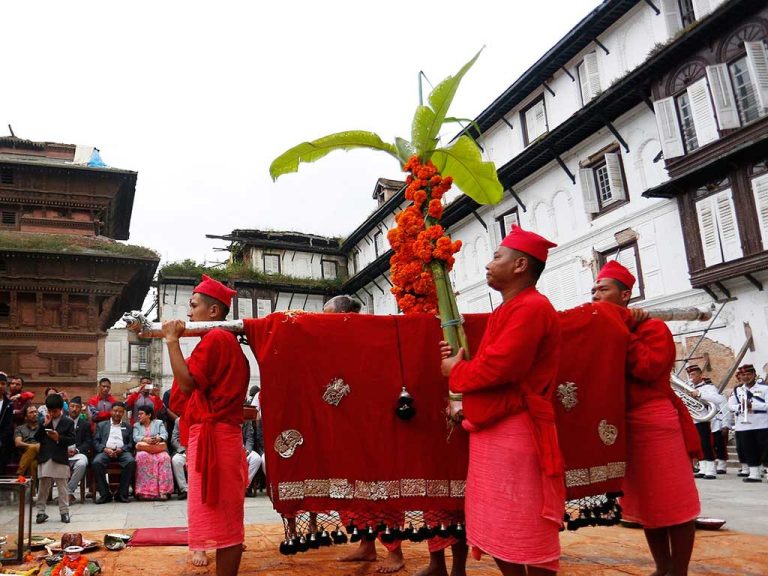
The Janai Purnima festival, celebrated by both Hindus and Buddhists, sees thousands of devotees embark on pilgrimages to sacred lakes, temples, and shrines, often located in remote and elevated areas. While the spiritual significance of the journeys is profound, the physical demands can be severe, particularly for the elderly and those unaccustomed to high-altitude trekking.
By deploying medical teams across multiple districts and offering both preventive and emergency care, the Nepal Army has demonstrated a proactive approach to safeguarding pilgrims. Their work not only reduces health risks but also boosts confidence among devotees to undertake these spiritually important but physically challenging journeys.
Looking Ahead
The success of this year’s health camps suggests that similar initiatives could be expanded in the future, potentially involving coordination between the Nepal Army, local health authorities, and volunteer organizations. This could ensure even broader coverage and preparedness for emergencies.
For now, the Army’s Janai Purnima health mission stands as a testament to how timely intervention, strategic deployment, and dedicated service can make a significant difference in the lives of thousands of pilgrims, turning what could have been a season of risk into one of safety and support.