Kushe Aunsi, also known as Gokarna Aunsi or Nepali Father’s Day, is one of Nepal’s most cherished festivals dedicated to honoring fathers and fatherhood Nepal’s rich cultural tapestry is woven with diverse traditions, rituals, and festivals that carry both spiritual and social significance. Celebrated annually during the new moon day (Aunsi) of the dark fortnight in the month of Bhadra according to the lunar calendar, this day intertwines family values, religious devotion, and cultural heritage. In recent years, it has also gained attention as a niche attraction for cultural tourism, drawing domestic and international visitors eager to witness authentic Nepali traditions.
Historical and Religious Roots
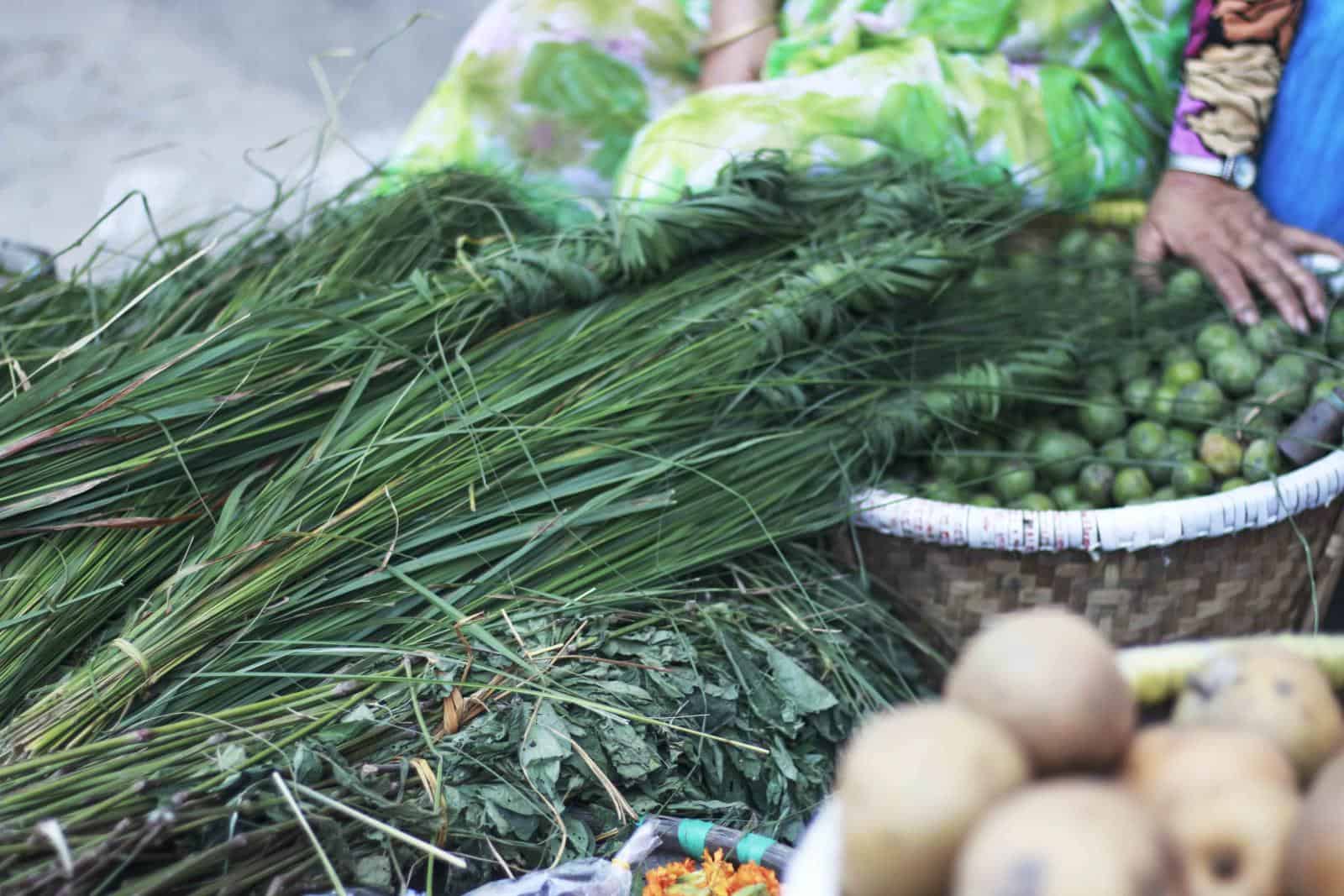
The origins of Kushe Aunsi date back centuries, deeply rooted in Hindu religious beliefs and Vedic traditions. The festival’s name itself is symbolic: “Kushe” refers to Kusha grass—considered sacred in Hinduism and often used in rituals as a purifier—while “Aunsi” denotes the new moon day. According to mythology, the day is linked to the sacred pilgrimage to Gokarneshwar Mahadev Temple in Kathmandu, where devotees offer Tarpan (ritual offerings) to honor the souls of their departed fathers. It is believed that performing these rituals grants peace to the ancestors and blessings to the living family. The tradition reflects a deep sense of filial piety and reverence for lineage, values that remain central to Nepali society.
Rituals and Family Traditions
On Kushe Aunsi, sons and daughters pay tribute to their fathers by offering gifts, blessings, and a ceremonial meal. Children visit their fathers, often bringing special foods, clothes, fruits, and sweets as tokens of love and respect. Those whose fathers have passed away perform Shraddha at sacred sites such as Gokarneshwar, Betrawati in Rasuwa, and Devghat in Chitwan, where priests guide them through age-old Vedic rites. The presence of Kusha grass during these rituals is significant; it is considered to have purifying properties and is used as a seat for the soul during the offerings. This blend of personal family gatherings and public religious observances creates a warm yet solemn atmosphere across the country.
Gokarneshwar: A Cultural Tourism Hub on Kushe Aunsi
The Gokarneshwar Mahadev Temple, located on the northeastern edge of Kathmandu, becomes the epicenter of activity during Kushe Aunsi. Thousands of devotees, dressed in traditional attire, gather from early morning to offer prayers and perform Shraddha rituals along the banks of the Bagmati River. The temple, surrounded by lush greenery and historical stone carvings, offers an immersive experience for visitors. Cultural tourists are drawn not only to the religious ceremonies but also to the vibrant local market that springs up during the festival, selling flowers, fruits, ritual items, and souvenirs. Photographers and cultural researchers find this day particularly fascinating for its combination of spirituality, architecture, and human emotions on display.
Significance in Nepali Cultural Identity
Kushe Aunsi reinforces values that have shaped Nepali culture for generations: respect for elders, remembrance of ancestors, and the importance of family unity. In an era of increasing modernization, festivals like this serve as a living bridge between tradition and contemporary life. The act of honoring fathers, whether through a simple meal at home or elaborate temple rituals, underscores the universal human value of gratitude. The symbolism of Kusha grass, the sacred river offerings, and the collective gathering at holy sites all contribute to the preservation of intangible cultural heritage.
Cultural Tourism Potential
In recent years, the Nepali tourism industry has recognized the potential of Kushe Aunsi as part of festival tourism. Tour operators now design heritage tours around the event, offering visitors guided experiences of the rituals at Gokarneshwar, combined with visits to nearby cultural landmarks such as Pashupatinath Temple and Bouddhanath Stupa. International travelers seeking immersive cultural experiences find Kushe Aunsi appealing for its authenticity, while domestic tourists often use the occasion for pilgrimage and family reunions. The government and local communities have also begun promoting the festival through social media, cultural exhibitions, and heritage conservation programs.
Economic and Community Impact
The influx of visitors during Kushe Aunsi provides a boost to local economies. Vendors selling ritual items, florists, food stalls, and transport services see increased activity, while homestays and hotels near Gokarneshwar benefit from higher occupancy. The festival also fosters community engagement, as local youth groups assist in managing crowds, maintaining cleanliness, and guiding tourists. This blend of economic activity and cultural preservation demonstrates how traditional festivals can serve as sustainable tourism models when managed responsibly.
Preservation and Promotion Efforts
As with many traditional festivals, there is concern that modernization and urbanization could dilute the authenticity of Kushe Aunsi rituals. Cultural preservationists emphasize the need for proper documentation, educational programs in schools, and the integration of the festival into broader heritage tourism strategies. Initiatives such as producing multilingual guidebooks, creating short documentary films, and training cultural interpreters can help ensure that both locals and tourists understand the deeper meaning of the festival. The preservation of the Gokarneshwar Temple complex and surrounding sacred sites is also crucial to maintaining the spiritual and cultural essence of the celebration.
A Celebration of Love, Memory, and Heritage
Kushe Aunsi is more than just Nepal’s version of Father’s Day, it is a profound cultural and spiritual event that binds generations together. It blends personal family affection with public acts of devotion, creating a tapestry of rituals, history, and community life. For tourists, it offers a rare glimpse into the living traditions of Nepal, where every offering, every chant, and every gathering holds centuries of meaning. As Nepal continues to promote cultural tourism, festivals like Kushe Aunsi stand as enduring testaments to the country’s heritage, inviting the world to share in its stories, values, and celebrations.