The Weather Forecasting Division has issued a fresh weather bulletin cautioning the public about changing monsoon conditions across Nepal, with forecasts of moderate to heavy rainfall in several provinces over the next 24 hours.
General Weather Conditions
According to the latest forecast, hilly regions across the country will remain generally cloudy throughout the day, while other parts, including some lowland areas, are likely to see partly cloudy skies. The Division has indicated that the afternoon will bring moderate rainfall in one or two places within both the hilly and Tarai belts.
“The prevailing monsoon winds are continuing to influence the country’s weather pattern, leading to cloudy conditions and scattered rainfall,” a meteorologist from the Division said. “These conditions are typical for this time of year but still require public awareness due to associated hazards.”
Rainfall Distribution by Province
The weather update specifies that certain areas of Koshi, Madhes, Bagmati, and Gandaki provinces will experience moderate rainfall during the night. Additionally, heavy rainfall is predicted in one or two locations of Koshi, Bagmati, and Gandaki provinces, which could bring localized flooding and landslide risks.
The Division explained that heavy rain events in mountainous areas often occur during nighttime due to intensified cloud build-up during the day. Such events can lead to sudden water level rises in small rivers and streams, posing threats to nearby settlements and infrastructure.
Monsoon Hazards and Risk Alerts
The Division has urged residents in vulnerable areas to remain alert and adopt preparedness measures. The warning particularly applies to those living near riverbanks in hilly districts, as moderate to heavy rainfall can quickly swell rivers. In addition, steep slopes in many hill and mountain districts remain saturated from continuous monsoon showers, heightening the risk of debris flow and landslides.
“Communities in areas prone to landslides and flash floods should be cautious. Even short bursts of heavy rain can trigger slope failures and disrupt transportation routes,” the Division’s statement read.
In previous years, similar rainfall patterns have led to road blockages, destruction of property, and even loss of lives. The current warning aims to prevent such casualties by urging residents to take early precautions.
Transportation and Infrastructure Concerns
With monsoon-related disasters being a recurrent problem in Nepal, authorities have recommended motorists and long-distance travelers to stay updated on road conditions before setting out, especially in hilly and mountainous regions where landslides are more frequent.
Transportation officials in provinces with high-risk districts have also been advised to keep machinery and response teams on standby to clear blocked roads or carry out rescue operations if necessary.
Meanwhile, in the Tarai, while the risk of landslides is lower, there remains a possibility of waterlogging in urban areas and inundation of farmland if the rain intensifies. Farmers have been asked to monitor weather updates closely to minimize crop damage.
Emergency Preparedness and Public Advisory
The Division has recommended that local governments activate disaster preparedness plans in areas that could be affected. Communities are encouraged to identify safe shelter points, ensure emergency supplies are ready, and keep communication lines open.
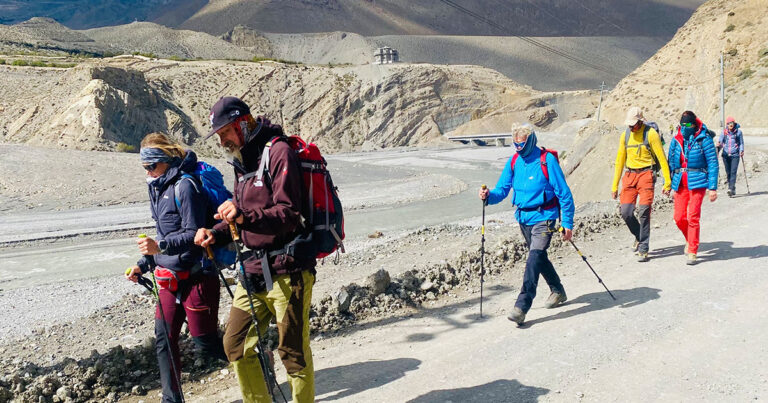
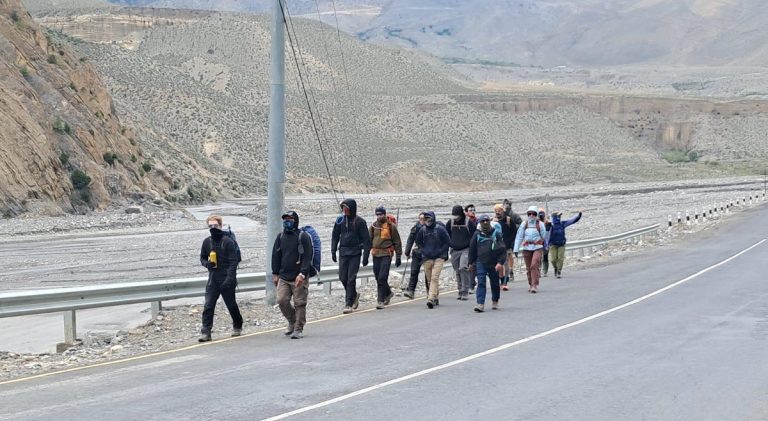
Disaster management authorities have also advised travelers and trekkers to check local weather conditions before starting their journeys. Tourists visiting trekking destinations in the hilly and mountainous provinces have been asked to avoid crossing rivers or streams during or immediately after heavy rainfall.
Context of the Monsoon Season
Nepal’s monsoon season typically runs from June to September, bringing about 80% of the annual rainfall. While essential for agriculture, the monsoon also brings natural hazards such as floods, landslides, and debris flows. The Himalayan terrain makes the country particularly susceptible to weather-induced disasters.
This year’s monsoon has so far brought a mix of beneficial rains for farming and challenging weather events, including localized flooding in Madhes Province and landslides in some highland districts. With several weeks of monsoon activity still expected, meteorologists have emphasized continued vigilance.
Weather Outlook for the Coming Days
While the immediate focus is on tonight’s heavy rainfall in some provinces, the Division noted that similar patterns may persist in the coming days, depending on the strength and movement of monsoon currents from the Bay of Bengal.
If the system intensifies, more widespread rain could occur, potentially affecting additional provinces. Conversely, a weakening of the system could result in intermittent showers and longer dry intervals. The Division will continue issuing daily updates to keep the public informed.
Call for Public Cooperation
Authorities have appealed for public cooperation in disaster prevention efforts. This includes avoiding activities that could increase risks, such as sand and gravel extraction from riverbeds during high water flow and building temporary shelters in landslide-prone zones.
Citizens are also urged to promptly report any signs of slope instability or rising water levels to local authorities so that preventive measures can be taken. With the right combination of community awareness, early warning systems, and preparedness measures, officials believe the impact of heavy rains can be significantly reduced.
The latest monsoon forecast for Nepal indicates a mix of moderate to heavy rainfall in different parts of the country, particularly in Koshi, Madhes, Bagmati, and Gandaki provinces. While these rains are a natural part of the monsoon season, they carry inherent risks that require public vigilance.
As the season progresses, the cooperation of local authorities, communities, and individuals will be vital in minimizing the dangers posed by swollen rivers, landslides, and other monsoon-related hazards. The Weather Forecasting Division continues to urge all citizens to stay updated through official channels and prioritize safety above all else.