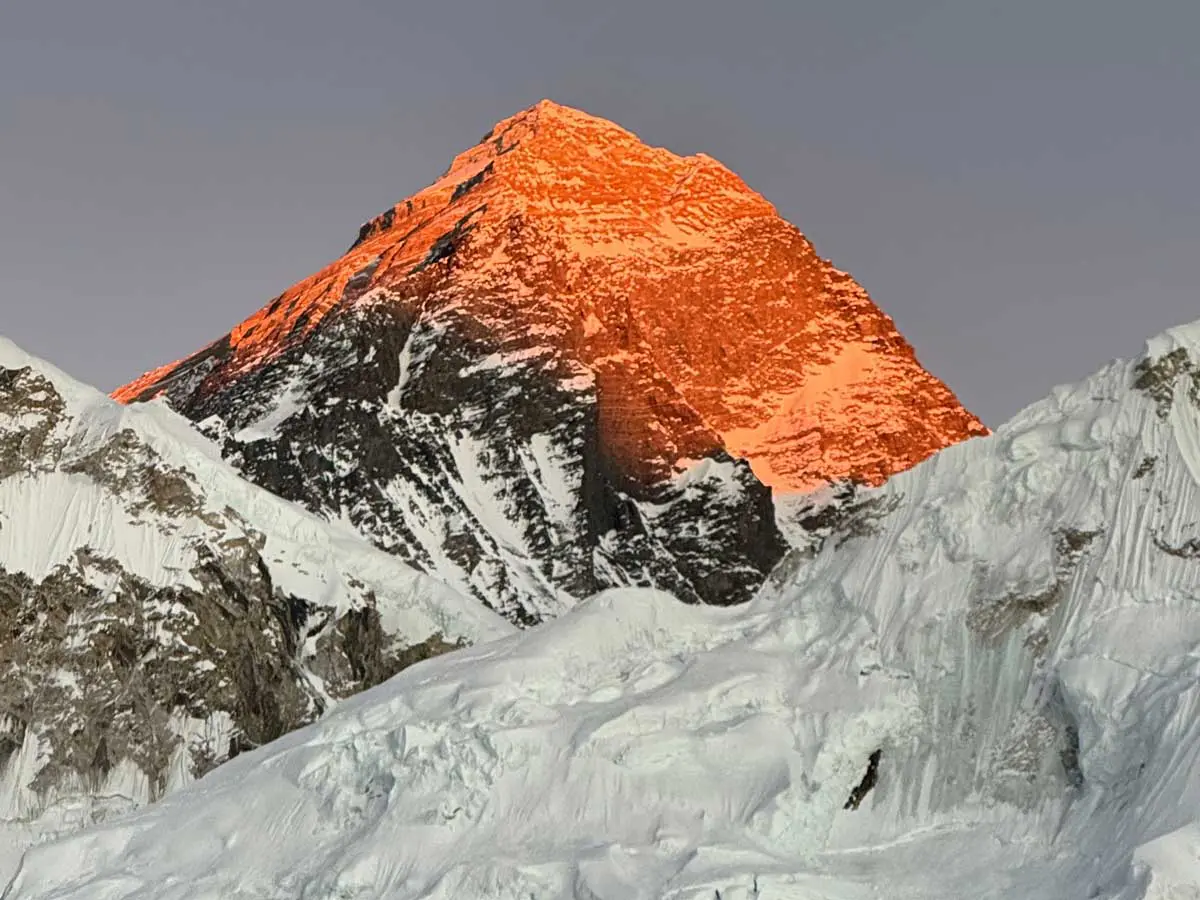
Mount Everest, standing at 8,848.86 meters, is the highest mountain on Earth and the ultimate symbol of human endurance and ambition. Known as Sagarmatha in Nepal and Chomolungma in Tibet, Everest has inspired generations of climbers to push beyond limits and attempt one of the most challenging feats in mountaineering. Each year, hundreds of climbers travel to Nepal with a single goal, to reach the summit of Everest. But before taking the first step toward this dream, one critical question arises: how much does it cost to climb Mount Everest?
The answer is complex. An Everest expedition is not just a climb; it is a 60-day high-altitude operation that involves logistics, expert support, specialized gear, and months, often years, of preparation. By 2026, the total cost typically ranges from $45,000 to over $100,000 per climber, depending on the level of support and expedition style. This pillar guide provides a complete breakdown of Everest expedition costs, routes, risks, success rates, and planning essentials, crafted in a detailed, high-impact narrative style similar to leading Nepal travel features.
Towering at 8,848.86 meters above sea level, this himalayan giant has captured the imagination of explorers, adventurers, and mountaineers for decades. From the historic first ascent by Sir Edmund Hillary and Tenzing Norgay in 1953 to the modern-day guided expeditions, Everest continues to stand as the most iconic and sought-after summit in the world.
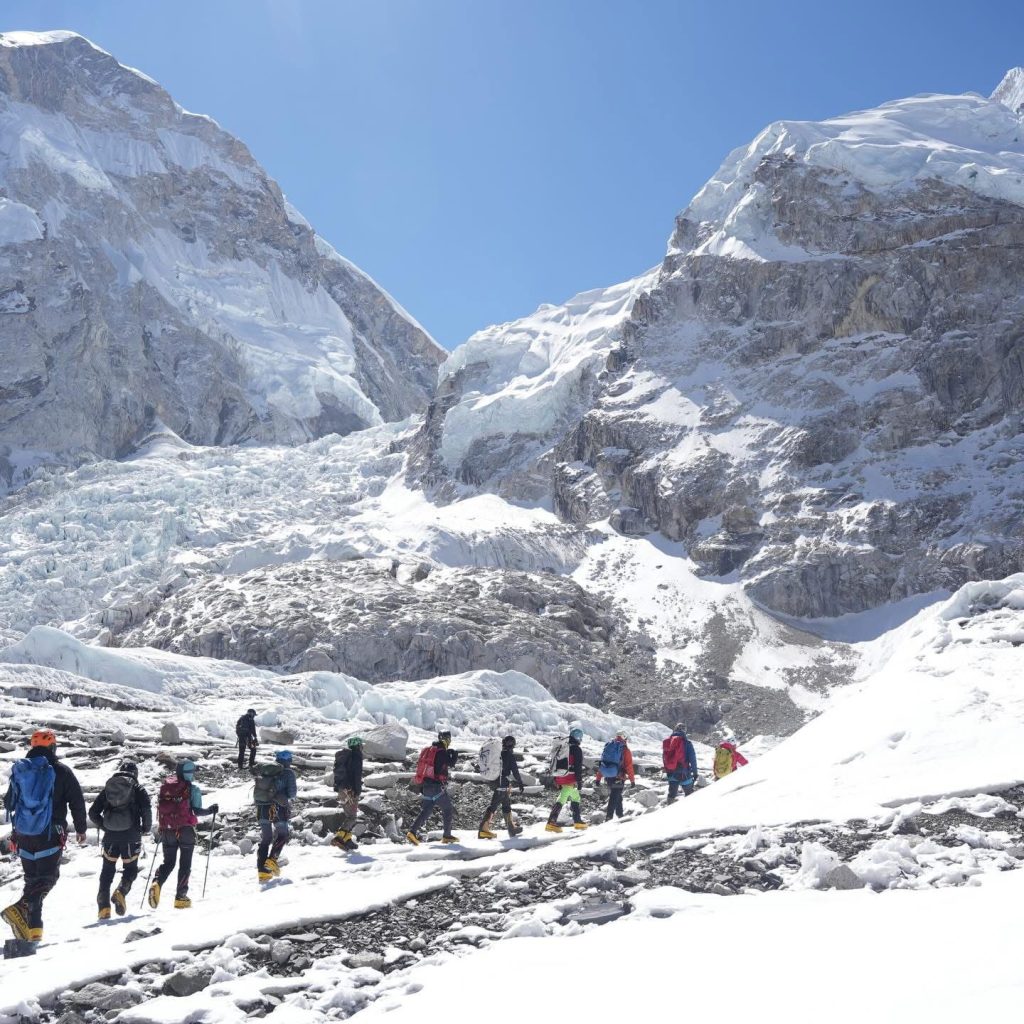
But behind the glory of reaching the top lies a reality that many aspiring climbers underestimate. Climbing Everest is not simply a physical challenge, it is a complex, high-risk expedition that demands months of preparation, world-class logistics, technical expertise, and a significant financial investment. Every step on the mountain, from the bustling streets of Kathmandu to the frozen slopes of the Death Zone, comes at a cost, both in terms of money and personal commitment.
Total Everest Expedition Cost in 2026
The cost of climbing Everest varies widely depending on the services, safety standards, and comfort level you choose. Climbers generally fall into three main categories.
Budget Expedition ($40,000 – $50,000)
These packages offer basic logistics with limited support. Climbers are expected to be highly independent and experienced.
Standard Expedition ($50,000 – $70,000)
This is the most popular option, providing balanced support, experienced Sherpa guides, and essential safety measures.
Premium Expedition ($75,000 – $100,000+)
Luxury-level expeditions include top-tier guides, advanced oxygen systems, high-end base camp facilities, and personalized support.
Lower-cost expeditions often come with higher risks due to fewer safety measures, while premium options significantly improve the chances of a successful and safer climb.
Everest Climbing Permit and Government Fees
One of the largest fixed costs in any Everest expedition is the climbing permit issued by Nepal’s Department of Tourism.
For 2026, the spring season permit costs approximately $15,000 per climber. Spring (April–May) remains the most popular season due to stable weather and better summit opportunities.
Permit costs by season:
- Spring: $15,000
- Autumn: ~$7,500
- Winter/Monsoon: ~$3,750
In addition to the permit, climbers must also pay:
- Environmental fees
- Liaison officer expenses
- Garbage deposit
Altogether, government-related costs range between $15,000 and $18,000.
Expedition Logistics and Operator Costs
Behind every successful Everest climb is a highly organized expedition team. Operators like Peace Nepal Treks handle the complex logistics required to operate in extreme conditions. These services include transportation of gear, base camp setup, route coordination, communication systems, and overall expedition management.
A typical expedition package ranges from $30,000 to $60,000, depending on service level. Premium operators may charge over $80,000, offering better safety, stronger logistics, and experienced international guides. Choosing a reliable operator is one of the most important decisions climbers make, as it directly impacts safety and success rates.
Sherpa Support: The Backbone of Everest
No Everest expedition is possible without Sherpa climbers. Their deep knowledge of the mountain, strength, and high-altitude expertise make them essential to the success of most expeditions. Sherpas are responsible for fixing ropes, carrying loads, setting up camps, and guiding climbers during the summit push.
The cost of Sherpa support, including wages, insurance, equipment, and bonuses, ranges from $5,000 to $10,000 per climber. Beyond logistics, Sherpas play a crucial role in ensuring safety and decision-making in life-threatening situations.
Oxygen Systems and High-Altitude Equipment
Above 8,000 meters lies the “Death Zone,” where oxygen levels are too low to sustain human life for extended periods. Most climbers rely on supplemental oxygen to survive and perform.
Oxygen system costs include cylinders, masks, regulators, and transport to high camps, totaling $3,000 to $6,000.
Additionally, climbers must invest in high-quality gear:
- Down suits
- High-altitude boots
- Crampons and ice axes
- Harnesses and helmets
These essential items can cost between $5,000 and $10,000, depending on quality and brand.
Base Camp Life and Expedition Supplies
Everest Base Camp functions as a temporary village for nearly two months. Climbers live in tents, supported by kitchen staff, communication systems, and supply teams.
Base camp logistics include:
- Accommodation tents
- Dining and kitchen facilities
- Satellite communication
- Power supply and charging stations
- High-calorie meals
The cost of maintaining base camp operations is approximately $3,000 to $5,000 per climber.
Travel and Transportation Costs
Reaching Everest Base Camp requires multiple stages of travel.
Typical costs include:
- International flights: $800 – $1,500
- Kathmandu accommodation: $200 – $500
- Lukla flight: $200 – $400
- Cargo transport: $500 – $1,000
Total transportation costs range from $1,500 to $3,000.
Insurance and Emergency Rescue
Climbing Everest involves serious risks, making insurance essential. Policies must cover high-altitude rescue operations, including helicopter evacuation. Insurance costs typically range from $500 to $1,500, depending on coverage. Emergency rescues in the Himalayas can cost thousands of dollars, making proper insurance critical.
Everest Climbing Routes Explained
South Col Route (Nepal)
The South Col route, also known as the Southeast Ridge, is the most popular path and accounts for about 65% of climbers. It begins at Everest Base Camp and passes through iconic landmarks such as the Khumbu Icefall, Western Cwm, and Lhotse Face. This route offers better infrastructure, strong Sherpa support, and higher success rates but is often crowded during peak season.
North Ridge Route (Tibet)
The North Ridge route is less crowded and avoids the Khumbu Icefall but presents more technical challenges and harsher weather conditions. Climbers face strong winds, colder temperatures, and exposed ridge climbing, making it a more demanding alternative.
Technical and Rare Routes
Routes like the West Ridge and Kangshung Face are rarely attempted due to extreme difficulty and lack of support infrastructure. These are reserved for elite mountaineers seeking advanced challenges.
Risks and Challenges of Climbing Everest
Climbing Everest is inherently dangerous.
- Altitude sickness can lead to life-threatening conditions like HAPE and HACE.
- Extreme weather can drop temperatures below -50°C with powerful winds.
- The Death Zone limits survival time and requires rapid movement.
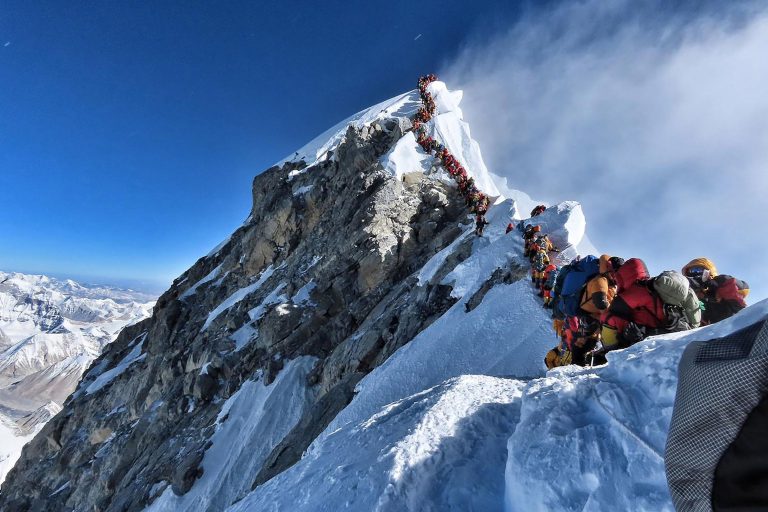
- Crowding can cause delays during summit attempts.
These risks make Everest one of the most challenging environments on Earth.
Success Rate and Reality Check
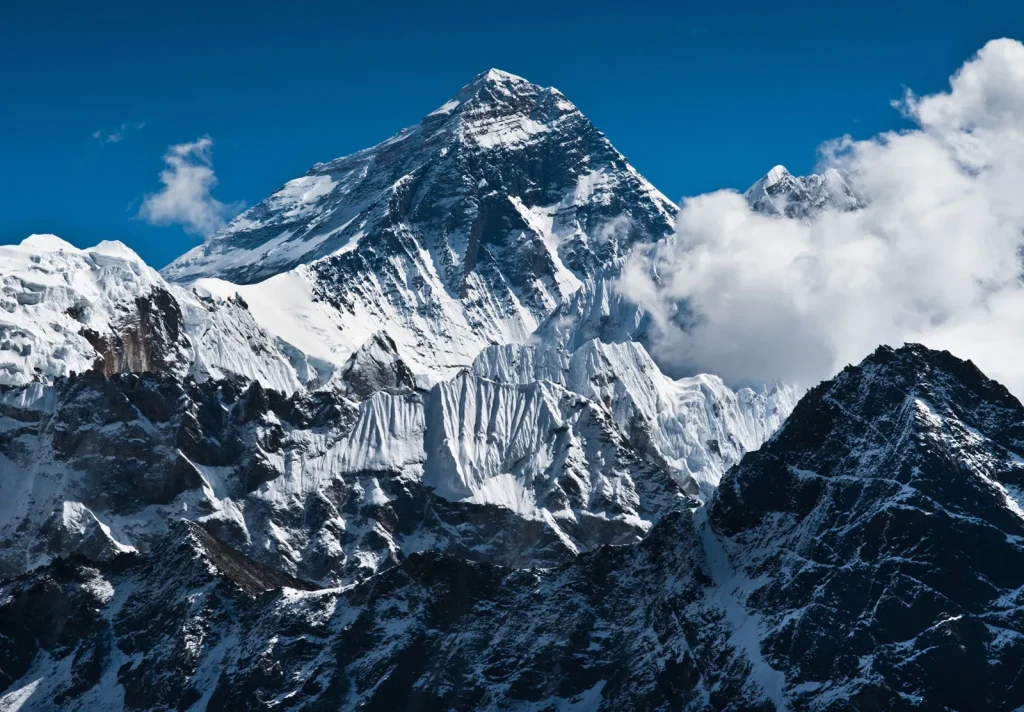
The overall success rate for Everest climbers is approximately 60–65%, depending on weather conditions and preparation. The death rate is about 1%, with most fatalities occurring during descent due to exhaustion and altitude-related complications. While modern technology has improved safety, Everest remains a serious and life-threatening challenge.
Expedition Timeline: 60 Days of Extreme Endurance
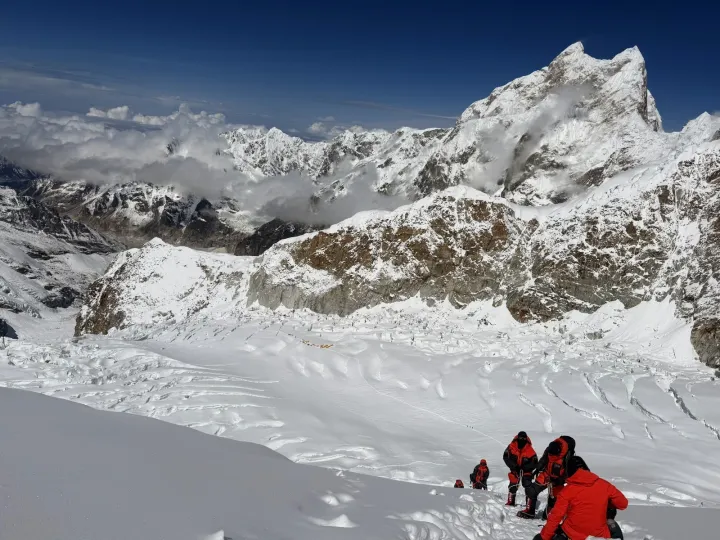
A typical Everest expedition lasts around 61 days.
- Arrival and preparation in Kathmandu
- Trek to Base Camp via Lukla
- Acclimatization rotations between camps
- Summit push during a short weather window
- Descent and return
This long duration is essential for proper acclimatization and safety.
Environmental and Cultural Responsibility
Everest lies within protected regions such as Sagarmatha National Park. Climbers must follow strict environmental guidelines to minimize impact. Waste management, glacier preservation, and respect for local Sherpa culture are critical aspects of responsible climbing. Climate change is also affecting Everest, with melting glaciers increasing risks on routes like the Khumbu Icefall.
Why Climbers Choose Professional Operators
Professional operators like Peace Nepal Treks provide structured expeditions with experienced Sherpas, reliable logistics, and safety-focused planning.
Their services include:
- Full expedition organization
- Oxygen and safety systems
- High-quality base camp support
- Experienced climbing guides
Choosing the right operator significantly increases safety and success rates.
Final Thoughts: Is Everest Worth the Cost?
Climbing Mount Everest is one of the most expensive and demanding adventures in the world. With costs ranging from $45,000 to over $100,000, it requires serious commitment and preparation. However, for those who reach the summit, the reward goes far beyond financial investment. The journey through the Himalayas, the bond with Sherpa climbers, and the moment of standing on the highest point on Earth create an unforgettable, life-changing experience. Everest is not just a mountain, it is a test of human spirit, resilience, and determination. And for those who dare to take on the challenge, it remains the ultimate adventure.
Climbing Mount Everest is often described in terms of numbers, altitude, cost, success rate, and duration. But in reality, the experience goes far beyond these measurable factors. While the financial investment of $45,000 to $100,000 or more may seem overwhelming, it reflects the immense logistical effort, human support, and technical precision required to operate in one of the most extreme environments on Earth. Every aspect of the expedition, from Sherpa expertise and oxygen systems to base camp operations and rescue readiness, plays a critical role in turning a dangerous challenge into a calculated and achievable goal.
However, Everest is not just about reaching the summit. It is about the journey through the heart of the Himalayas, the slow and disciplined process of acclimatization, and the mental resilience required to push forward when conditions become unforgiving. It is about standing in the Khumbu Icefall at dawn, feeling the mountain’s raw power, and understanding that success depends not only on strength but also on patience, teamwork, and respect for nature.
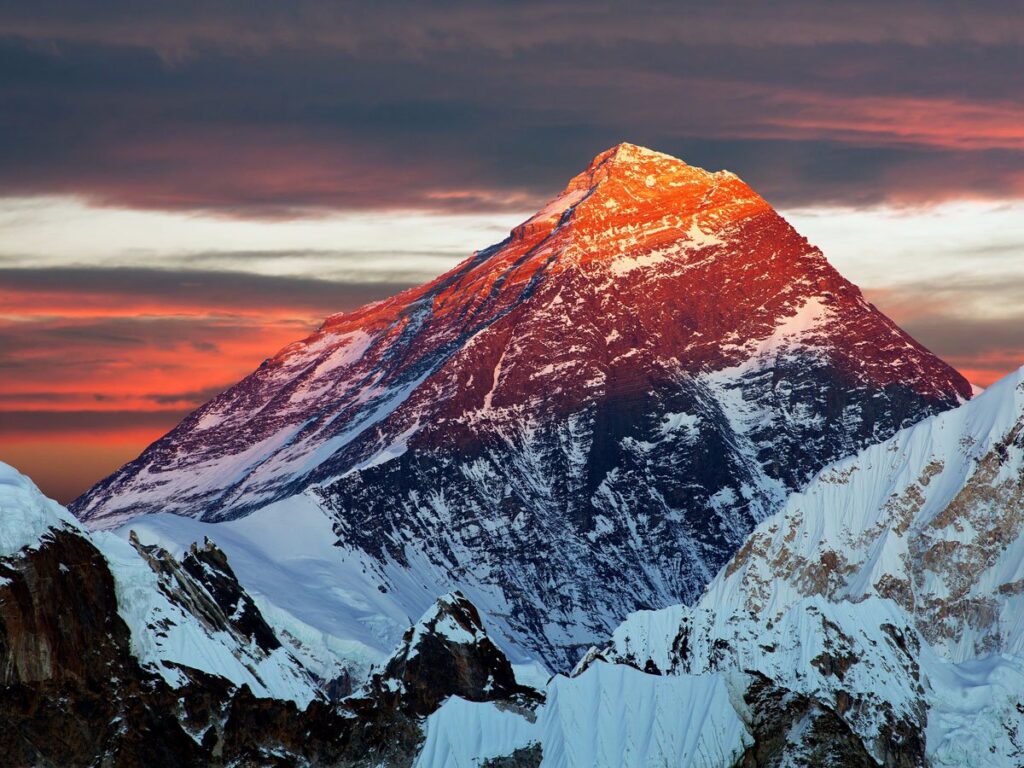
The risks are real, altitude sickness, extreme weather, and the ever-present dangers of the Death Zone remind climbers that Everest is not a place for shortcuts or compromises. This is why choosing the right expedition operator, investing in proper gear, and preparing both physically and mentally are essential steps in the journey. In many ways, the true cost of Everest is not just financial, it is the dedication, discipline, and determination required long before reaching Base Camp.
Yet, for those who make it to the summit, the reward is incomparable. Standing at the highest point on Earth is not just a personal achievement; it is a moment that redefines limits and reshapes perspective. The view from the top is not only of endless himalayan peaks but also of the journey that brought you there, the struggles, the sacrifices, and the triumphs along the way.
In the end, an Everest expedition is not simply a climb, it is a life-changing experience. It teaches humility in the face of nature, respect for those who make the journey possible, and a deeper understanding of one’s own capabilities. For those willing to commit to the challenge, the value of climbing Everest extends far beyond the price, it becomes a story, a legacy, and a dream fulfilled at the roof of the world.