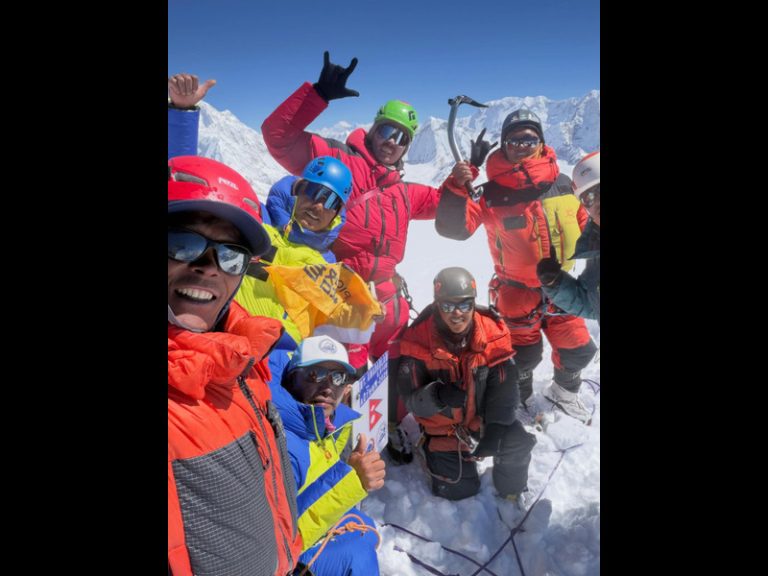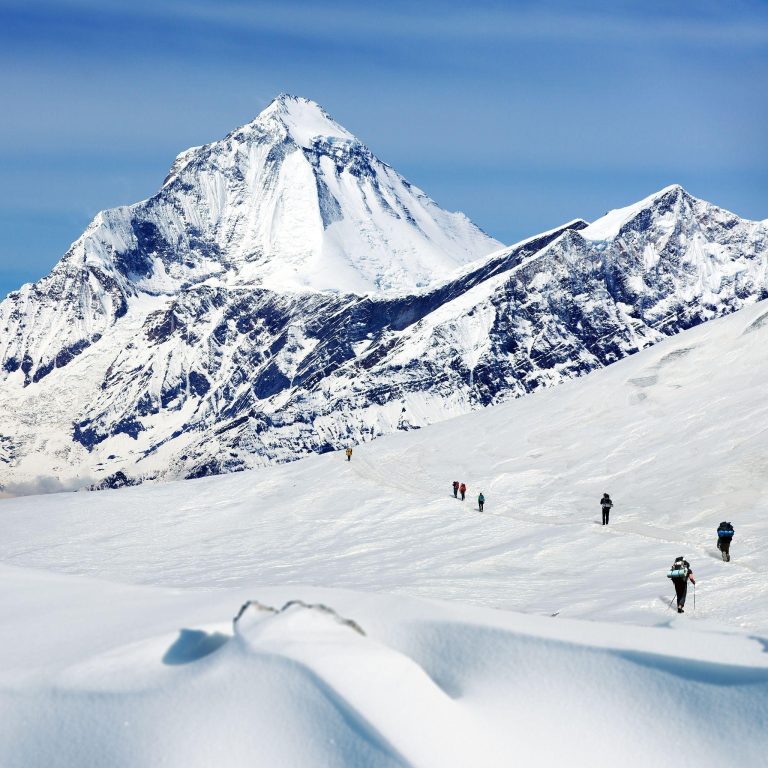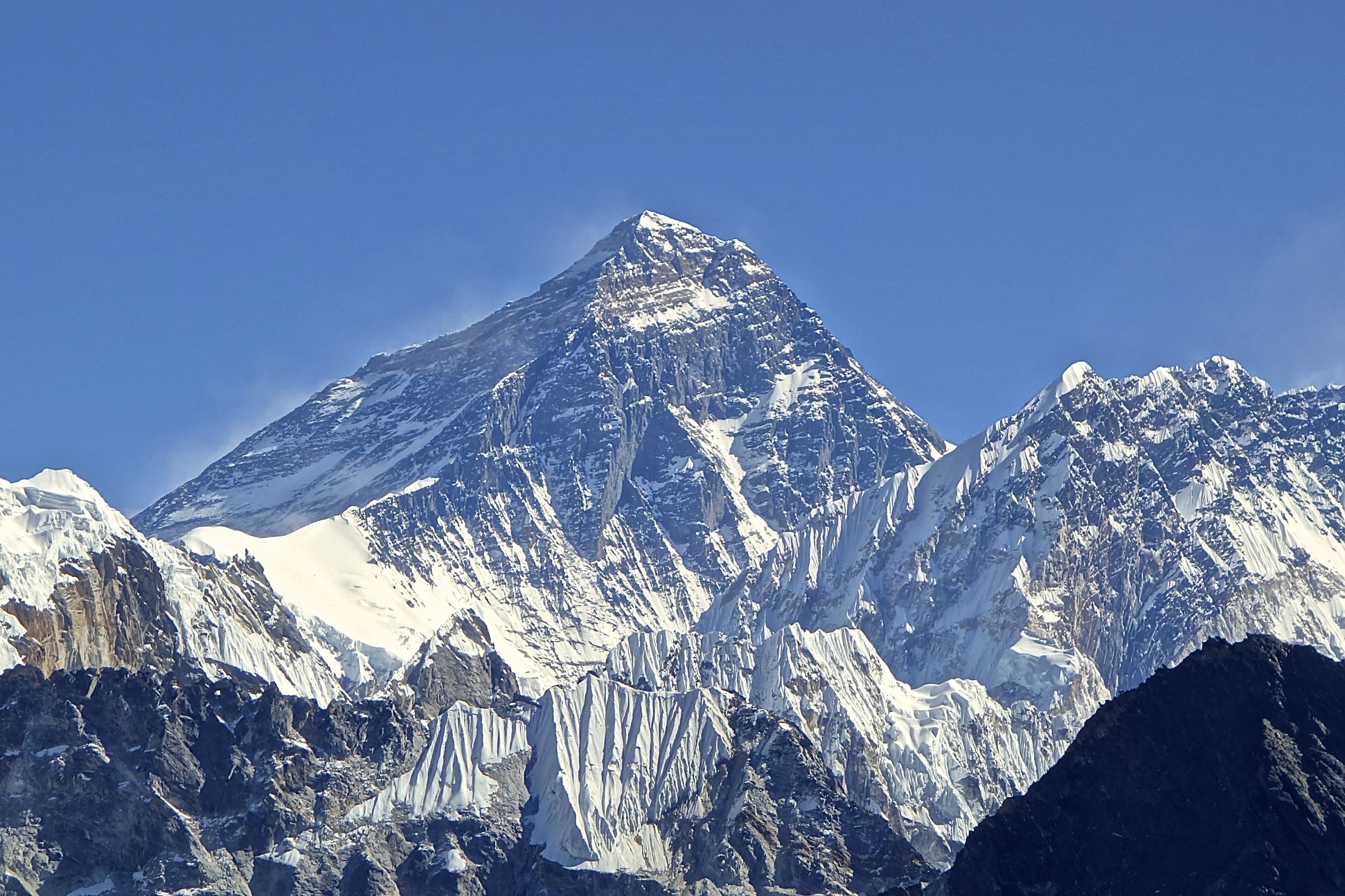
Every year, Sagarmatha Day, also known globally as Everest Day, is observed with deep respect and national pride in Nepal. This historic day marks the first successful ascent of Mount Everest (Sagarmatha) by Sir Edmund Hillary of New Zealand and Tenzing Norgay Sherpa of Nepal on May 29, 1953. Beyond being a mountaineering milestone, this day has evolved into a powerful reminder of human courage, resilience, and the shared responsibility to preserve the fragile Himalayan ecosystem.
In Nepal, Sagarmatha Day is not merely a celebration of reaching the summit of the world’s highest peak; it is a tribute to the countless lives, cultures, and communities connected to the mountains. It honors the Sherpa community’s enduring contribution, the sacrifices of climbers who never returned, and the spirit of exploration that continues to inspire humanity across generations.
The Human Spirit Behind the Summit
The story of Everest is not just about altitude or records, it is fundamentally a human story. When Sir Edmund Hillary and Tenzing Norgay Sherpa stood atop the 8,848.86-meter peak, they did not just conquer a mountain; they expanded the limits of human belief. Their achievement symbolized cooperation across nations, cultures, and backgrounds at a time when the world was still recovering from division and conflict.
Tenzing Norgay Sherpa’s role is especially significant in Nepal’s national consciousness. As a representative of the Himalayan communities, his achievement brought global recognition to the Sherpa people, who have since become synonymous with high-altitude mountaineering expertise. Sagarmatha Day, therefore, is also a day to recognize indigenous knowledge, cultural strength, and the deep spiritual connection mountain communities hold with the Himalayas.
The Sherpa Community: Guardians of the Himalayas
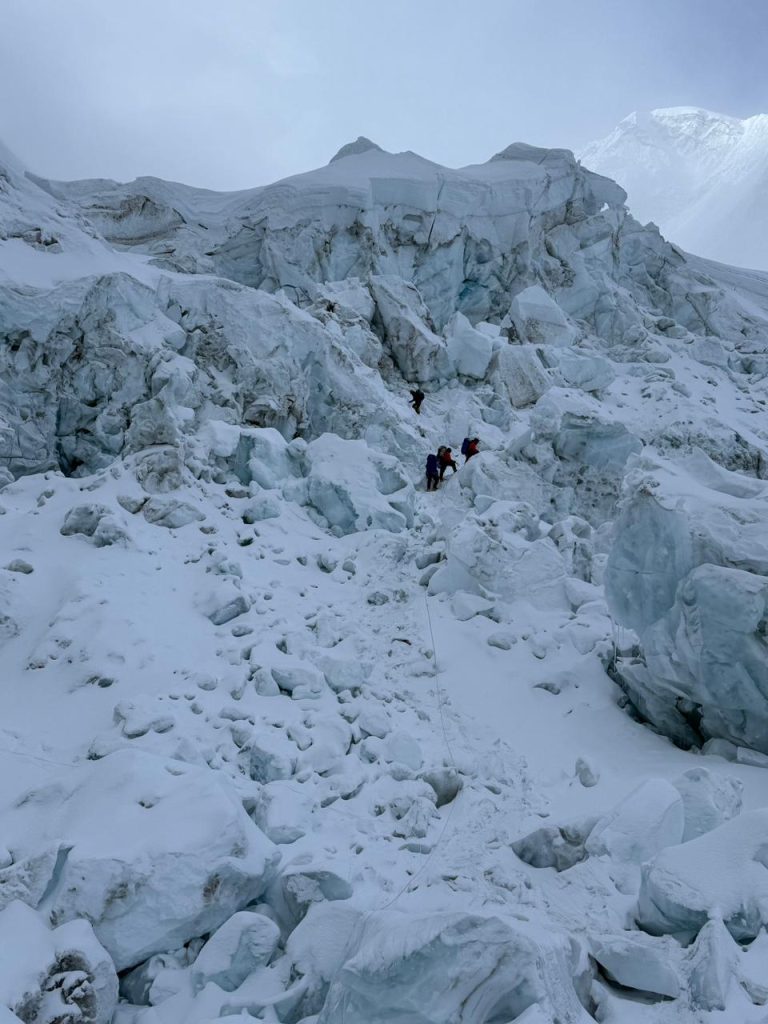
No discussion of Everest is complete without acknowledging the Sherpa community. For decades, Sherpas have been the backbone of Himalayan expeditions, serving as guides, porters, climbers, and mentors. Their expertise in navigating extreme altitudes, unpredictable weather, and dangerous terrain has made countless summits possible.
However, behind this contribution lies immense sacrifice. Many Sherpa climbers have lost their lives in avalanches, crevasses, and harsh weather conditions while supporting expeditions. Sagarmatha Day is, therefore, not just celebratory—it is also deeply reflective. It reminds the world of the human cost behind adventure tourism and the need for dignity, safety, and fair recognition for those who make such journeys possible.
A Mountain of Beauty and Fragility
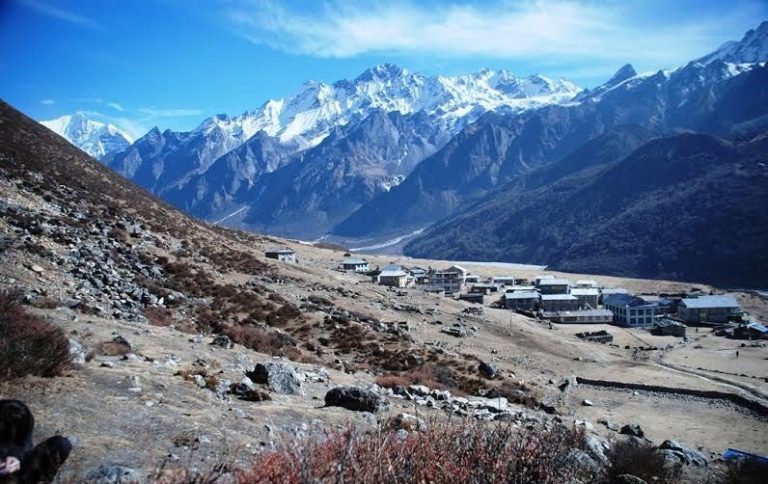
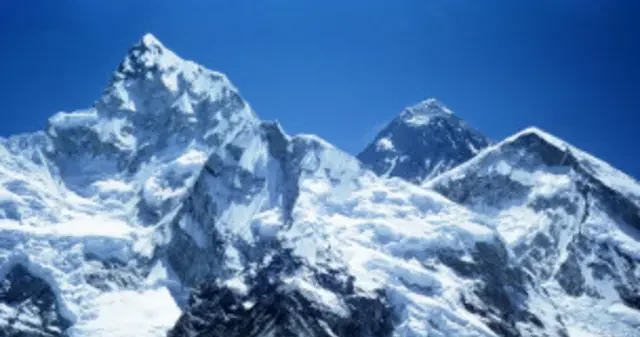
Mount Everest, or Sagarmatha as it is known in Nepali, is more than a geographical landmark. It is a sacred natural heritage, deeply embedded in the identity of Nepal. The mountain and its surrounding region are part of a delicate ecosystem that is increasingly threatened by climate change, overcrowding, and environmental degradation.
Glacial melting, unpredictable weather patterns, and waste accumulation have become pressing concerns in recent years. Sagarmatha Day serves as an important reminder that the Himalayas are not only a destination for adventure but also a fragile environment that demands protection. Preserving this ecosystem is not only Nepal’s responsibility but a global one, as the Himalayas play a crucial role in regulating water systems and climate patterns across Asia.
Evolution of Everest Climbing and Modern Challenges
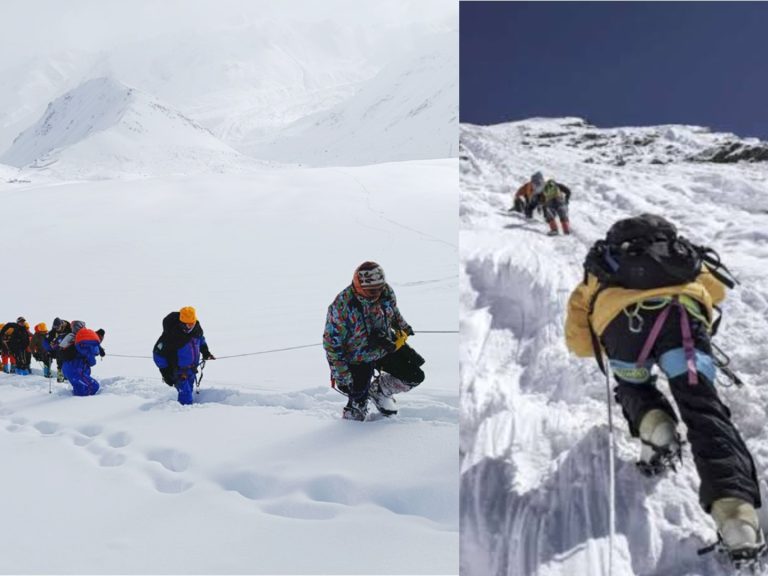
Since the historic 1953 ascent, Everest has witnessed thousands of climbers attempting to reach its summit. While modern technology, improved gear, and better infrastructure have made climbing more accessible, the mountain remains extremely dangerous. Every year, climbers face risks such as altitude sickness, frostbite, avalanches, and extreme weather conditions.
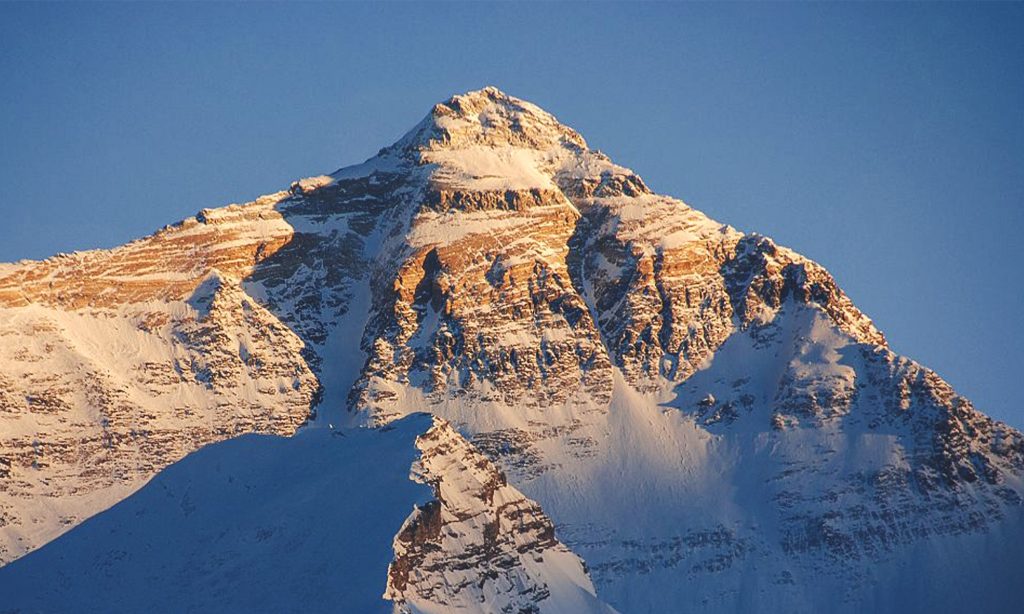
In recent years, concerns have also been raised about overcrowding on the summit routes, commercialization of expeditions, and environmental stress. Sagarmatha Day provides an opportunity to reflect on how mountaineering practices can evolve responsibly. It calls for stricter environmental regulations, ethical tourism practices, and better safety standards for climbers and support staff.
A Symbol of National Identity and Global Connection
For Nepal, Sagarmatha is not just a mountain, it is a symbol of national identity, pride, and global recognition. It stands as a natural monument that places Nepal at the heart of global adventure tourism. Every year, thousands of climbers, trekkers, researchers, and spiritual seekers visit the Everest region, contributing significantly to the country’s tourism economy.
At the same time, Sagarmatha Day also connects Nepal to the global community. It highlights the importance of international cooperation in preserving natural heritage and promoting sustainable tourism. The mountain belongs not only to Nepal but to the world as a shared symbol of endurance, beauty, and human aspiration.
Humanitarian Reflections: Beyond Achievement
What makes Sagarmatha Day truly meaningful is its humanitarian essence. It is a day to reflect on values beyond success—values such as courage, humility, cooperation, and respect for nature. The mountain teaches that greatness is not only about reaching the top but also about how one treats others during the journey.
It is also a moment to acknowledge the families who have lost loved ones in mountaineering expeditions, the workers who risk their lives for livelihood, and the communities living in remote Himalayan regions who often face limited access to healthcare, education, and infrastructure despite living in the shadow of the world’s highest peak.
The Future of Sagarmatha: Responsibility and Hope
As the effects of climate change intensify, the future of Everest demands urgent attention. Preserving the Himalayan ecosystem requires collective action, from governments, tourism operators, climbers, and global environmental organizations. Sustainable climbing practices, waste management systems, and responsible tourism policies are essential to protect this natural wonder for future generations.
Sagarmatha Day thus becomes more than a celebration, it becomes a call to action. It urges humanity to balance ambition with responsibility and exploration with preservation. The mountain stands as a silent witness to human progress, but it also reminds us of our duty to protect what we admire.
A Timeless Legacy in the Sky
Sagarmatha Day is a powerful reminder that mountains are not just physical heights to be conquered but spiritual and cultural landscapes to be respected. It honors the bravery of pioneers, the sacrifice of local communities, and the fragile beauty of the Himalayas.
As Nepal and the world celebrate Everest Day, the message remains timeless: true achievement is not only measured by reaching the summit, but by ensuring that the path to the summit remains safe, respectful, and sustainable for generations to come.