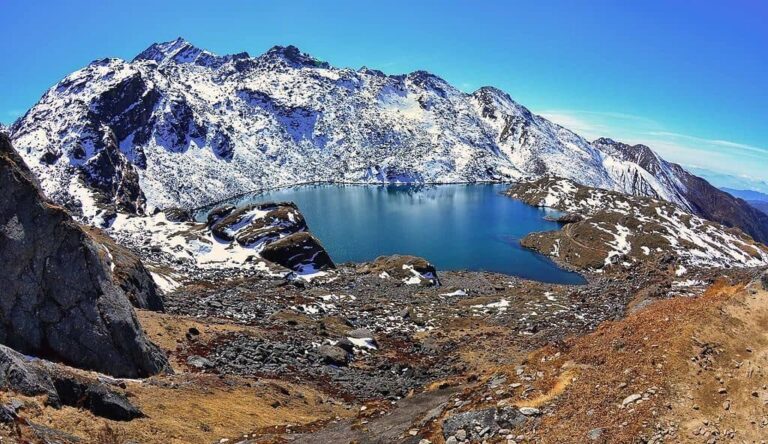
Nestled at an altitude of 3,710 meters in the Mustang district of Nepal, Muktinath is one of the most revered pilgrimage sites in the Himalayas. The word “Muktinath” is derived from two Sanskrit words, Mukti meaning “salvation” or “liberation,” and Nath meaning “God” or “Master.” Thus, Muktinath translates to the “God of Salvation.” This ancient temple holds immense religious significance for both Hindus and Buddhists and has been a center of spiritual devotion for centuries. Surrounded by the snow-clad peaks of the Annapurna and Dhaulagiri ranges, the temple is not only a sacred spiritual destination but also a symbol of Nepal’s religious harmony and natural beauty.
Historical and Mythological Significance
Muktinath has been mentioned in several Hindu scriptures, including the Vishnu Purana and Mahabharata. According to Hindu belief, Lord Vishnu, the preserver of the universe, appeared at this very place to grant salvation to his devotees. The site is considered one of the Divya Desams, 108 sacred shrines of Vishnu, making it one of the holiest pilgrimage destinations for Vaishnav followers.

In Buddhist tradition, Muktinath is known as Chumig Gyatsa, meaning “Hundred Waters.” Buddhists associate the site with Guru Rinpoche (Padmasambhava), who is believed to have meditated here on his journey to Tibet. Tibetan Buddhists regard the temple as one of the 24 Tantric places of great spiritual power. This shared reverence by both religions makes Muktinath a shining example of religious coexistence, where devotees from different faiths come together in a shared quest for liberation.
The Temple Architecture and Sacred Elements
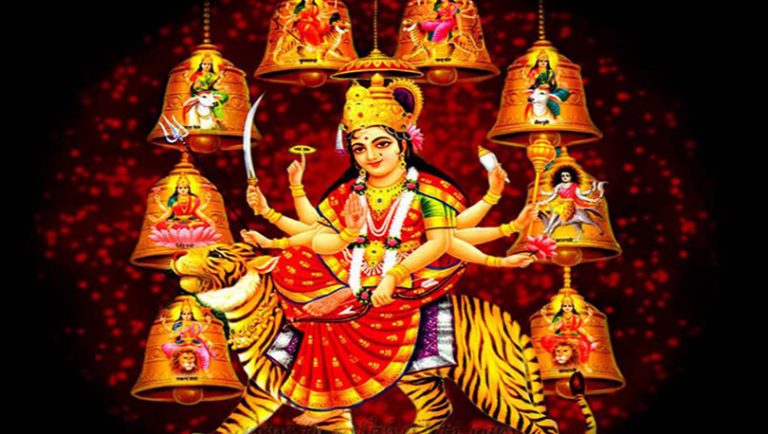
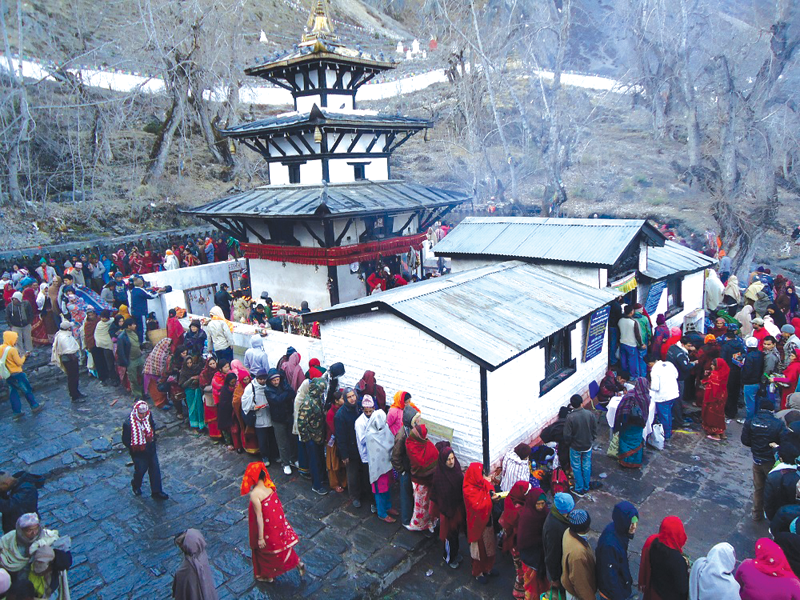
The main temple of Muktinath is a small but elegant pagoda-style structure dedicated to Lord Vishnu, enshrining a life-sized golden statue of the deity. The temple’s architecture beautifully reflects the fusion of Hindu and Buddhist design elements, with prayer wheels surrounding the temple and Buddhist monks assisting in rituals.
One of the most remarkable features of Muktinath is the 108 water spouts, known as Muktidhara, which flow continuously from the mouths of carved bull heads. Pilgrims believe that bathing under these icy waters cleanses all sins and paves the way for moksha (liberation). Nearby, two natural flame outlets, known as Jwala Mai, are said to burn eternally from natural gas sources beneath the ground. The simultaneous presence of fire and water, elements traditionally seen as opposites, symbolizes the balance of nature and spirituality, making Muktinath a place of profound natural and metaphysical wonder.
Journey to Muktinath: A Pilgrimage of Endurance and Faith
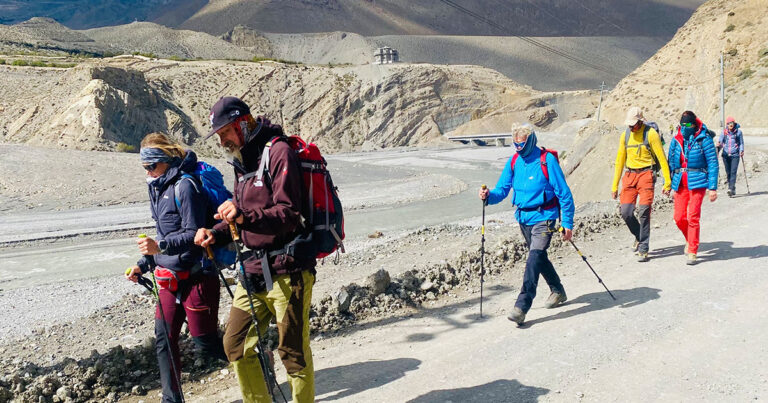
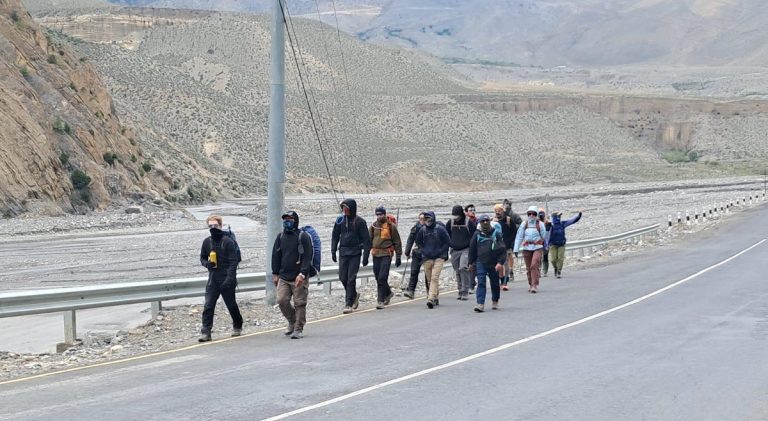
Reaching Muktinath is a spiritual and physical journey. Pilgrims and travelers can reach the site either by trekking through the famous Annapurna Circuit or by taking a short flight from Pokhara to Jomsom, followed by a drive or a few hours’ hike. The journey itself is considered a test of devotion, as one must traverse through arid landscapes, steep cliffs, and rugged mountain paths.
Despite the challenges, the sense of accomplishment upon reaching the temple is unmatched. The cool mountain air, fluttering prayer flags, and the rhythmic chants of devotees create an atmosphere of divine tranquility. Every year, thousands of pilgrims, including Hindus from Nepal and India, and Buddhists from across the Himalayan belt, undertake this sacred journey, reaffirming their faith and devotion.
Cultural Harmony and Religious Coexistence
One of the most striking aspects of Muktinath is its embodiment of religious tolerance and unity. The temple is maintained by both Hindu priests (Brahmins) and Buddhist monks (Lamas), who perform rituals in mutual respect. This coexistence of two great faiths within one sacred space reflects Nepal’s unique cultural heritage, a nation where spirituality transcends religious boundaries.
During special occasions like Janai Purnima and Ram Navami, Hindu devotees gather in large numbers to offer prayers, while Buddhist festivals like Lhosar also draw crowds of Tibetan and Mustang Buddhists. This confluence of traditions enriches the spiritual landscape, transforming Muktinath into a symbol of interfaith harmony in the Himalayas.
Natural Beauty and Surrounding Attractions
Muktinath is located in one of the most enchanting landscapes of the world. The region offers panoramic views of the Annapurna and Nilgiri ranges, while the barren yet beautiful terrain of Mustang adds a mystical charm. The nearby village of Ranipauwa serves as the base for pilgrims, offering lodges and teahouses that cater to travelers from around the globe.
Not far from the temple lies the Kali Gandaki River, famous for the sacred Shaligrams, black ammonite fossils considered representations of Lord Vishnu. Many pilgrims collect these stones as divine souvenirs. The route to Muktinath also passes through charming villages like Marpha, known for its apple orchards and Tibetan-style houses, adding cultural richness to the pilgrimage experience.

Tourism and Accessibility
In recent years, Muktinath has become not only a religious destination but also a major tourist attraction. Improved infrastructure, including road connections and air services, has made the site more accessible. The Nepal Tourism Board has promoted Muktinath as part of the broader “Spiritual and Adventure Tourism” circuit, combining religious pilgrimage with natural exploration. Despite modernization, efforts are being made to preserve the temple’s sanctity and the fragile Himalayan ecosystem surrounding it.
The Eternal Flame of Liberation
Muktinath stands as a timeless symbol of faith, harmony, and liberation. It is more than just a temple; it is a spiritual journey that connects humans with the divine and unites different faiths under one sacred sky. Whether one visits seeking religious fulfillment, inner peace, or the mesmerizing beauty of the Himalayas, Muktinath offers an experience that transcends the physical and touches the soul. The sacred waters, eternal flame, and serene mountain aura together make Muktinath a place where heaven and earth truly meet, a destination of ultimate liberation.