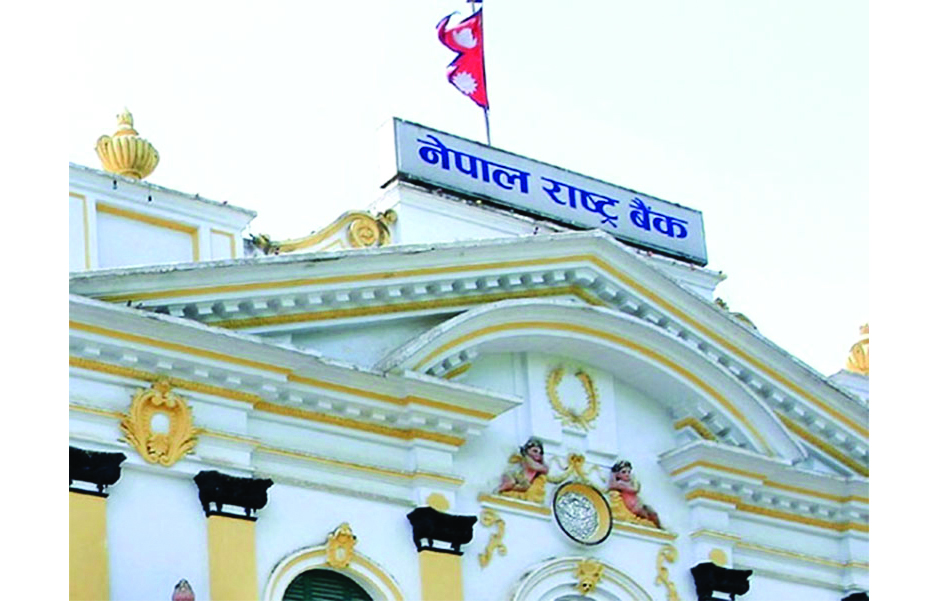
The Nepal Rastra Bank has recently announced a significant revision in its foreign currency regulations, allowing Indian citizens visiting Nepal to carry up to the equivalent of five thousand U.S. dollars in Indian rupees during their stay. This new provision, which comes into effect following a public notice issued on Bhadra 10, marks a major relaxation compared to the previous limit of 25,000 Indian rupees.
The move is part of the federal government’s current fiscal year budget, announced on Jestha 15, aimed at boosting tourism and facilitating smoother cross-border travel. The regulation allows both Nepali and foreign nationals to bring cash foreign currency, including U.S. dollars or travelers’ checks, up to a maximum of five thousand dollars.
Relief for Tourism Entrepreneurs in Border Areas
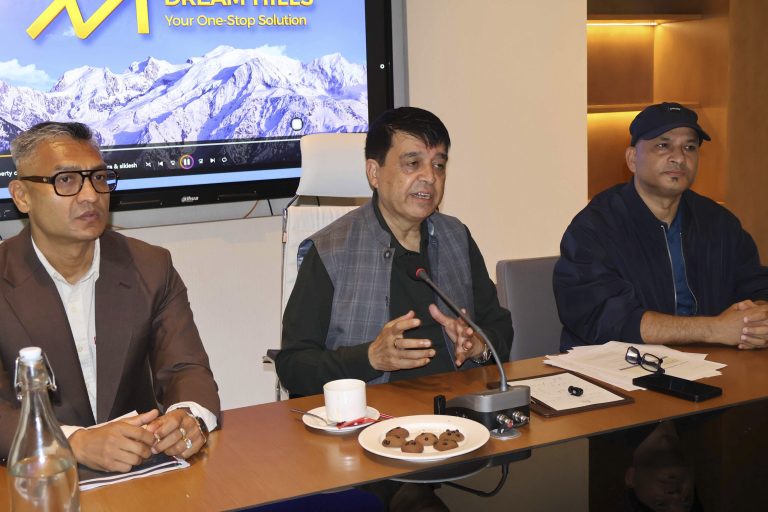
Tourism business owners in border areas have welcomed the move, highlighting the potential benefits for local enterprises. Hari Pant, president of the Hotel and Tourism Entrepreneurs Association in Birgunj, stated that permitting tourists to carry a larger amount of currency without the need for customs declaration will offer much-needed support to the hospitality industry.
Birgunj, an important gateway for Indian visitors, is home to over 85 hotels, including several four-star properties. However, the city has struggled to extend tourists’ stays in the past due to financial and regulatory constraints, a challenge that this new regulation is expected to help overcome.
Boosting Local Tourism Revenue
The easing of currency regulations is expected to provide a major boost to the tourism economy in regions that rely heavily on visitors. In towns like Birgunj and other border areas, the hospitality sector has traditionally depended on Indian tourists, whose spending directly impacts hotel occupancy, dining, shopping, and local attractions.
Allowing visitors to carry a larger sum of money enables businesses to better accommodate tourists, encouraging longer stays and access to premium services. This change is likely to increase revenue for local hotels and enhance the overall competitiveness of the hospitality industry in these areas.
Government’s Efforts to Strengthen Tourism
The federal government has consistently identified tourism as a key sector for economic growth. By introducing budgetary measures that facilitate easier cross-border travel and currency exchange, authorities aim to attract more visitors while reducing administrative hurdles. This new currency allowance aligns with broader efforts to modernize tourism infrastructure, encourage longer stays, and enhance the overall visitor experience, particularly in border towns where most Indian tourists enter Nepal.
Local Entrepreneurs Optimistic About Future Prospects
Officials from the Hotel and Tourism Association in Birgunj have voiced optimism that the updated regulations will attract more tourists while also boosting their spending during visits. Local entrepreneurs believe that this change could help overcome earlier issues, including brief stays and underutilization of premium hotel facilities.
With the new allowance to carry a larger amount of currency, Indian visitors can interact more freely with local businesses, leading to a more dynamic and thriving tourism environment. This development is expected to strengthen the overall hospitality sector and enhance the experience for both tourists and service providers.
A Step Toward Regional Tourism Growth
The Nepal Rastra Bank’s recent move to permit Indian visitors to bring up to five thousand U.S. dollar equivalent in Indian currency marks an important step toward promoting cross-border tourism. This new regulation is expected to provide a significant boost to local economies, especially in border towns such as Birgunj, where the majority of tourism revenue relies heavily on travelers.
By relaxing currency restrictions, Nepal enhances its image as a welcoming and tourist-friendly destination while simultaneously supporting the long-term growth of its hospitality industry. This initiative benefits both visitors and local businesses, enabling a more vibrant tourism environment and encouraging extended stays and higher spending.