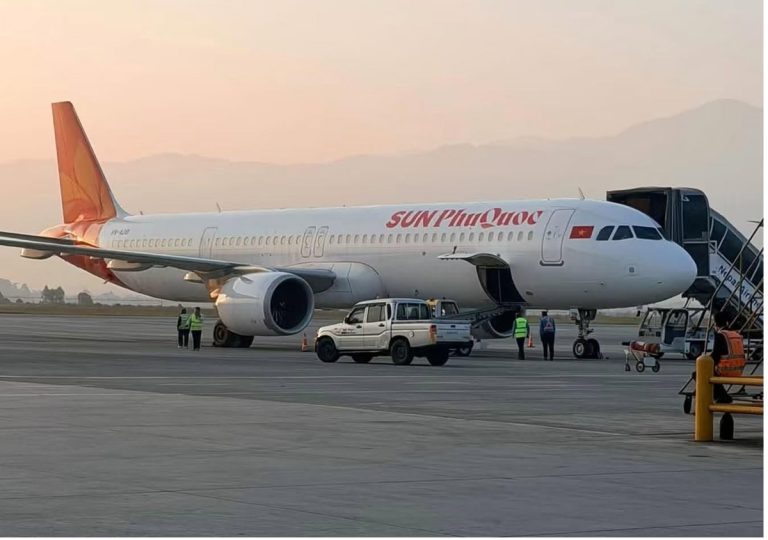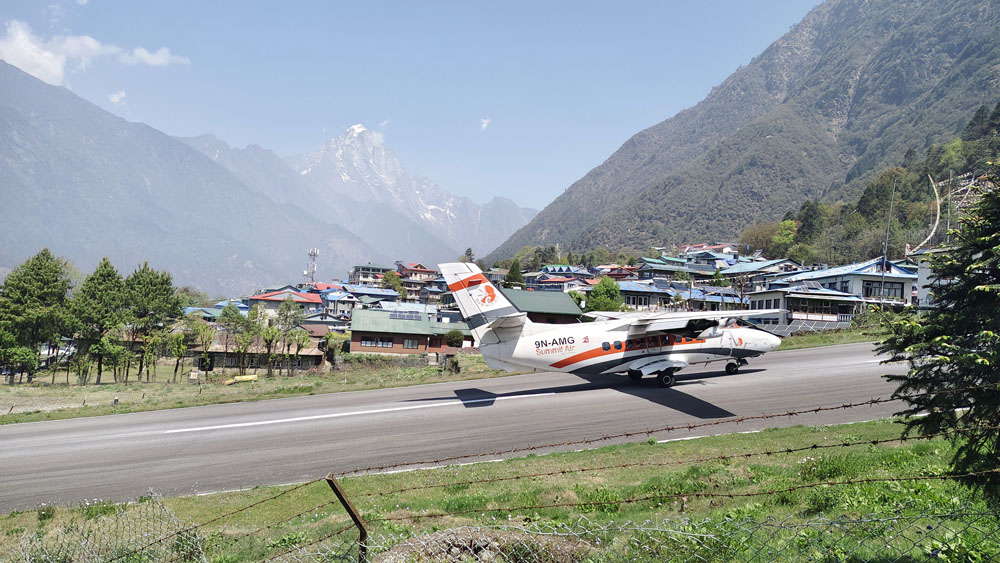
The Ramechhap–Lukla air service has officially resumed with the beginning of the autumn trekking season. According to the Civil Aviation Authority of Nepal (CAAN), the flights are targeted primarily at climbers and trekkers heading toward Mount Everest and Everest Base Camp, one of the busiest trekking routes in the world.
The seasonal service is vital for easing congestion at Kathmandu’s Tribhuvan International Airport, particularly during peak trekking months when thousands of international visitors flock to the Everest region.

Ramechhap as the Gateway to Lukla
Instead of flying directly from Kathmandu, trekking agencies bring tourists by road to Manthali, Ramechhap, a journey of about four to five hours. From there, flights are operated to Lukla’s Tenzing-Hillary Airport, the primary gateway to Everest Base Camp. This arrangement has become a common practice in recent years due to heavy traffic at Kathmandu airport, ensuring smoother operations and more reliable schedules for trekkers.
Airlines Operating the Service
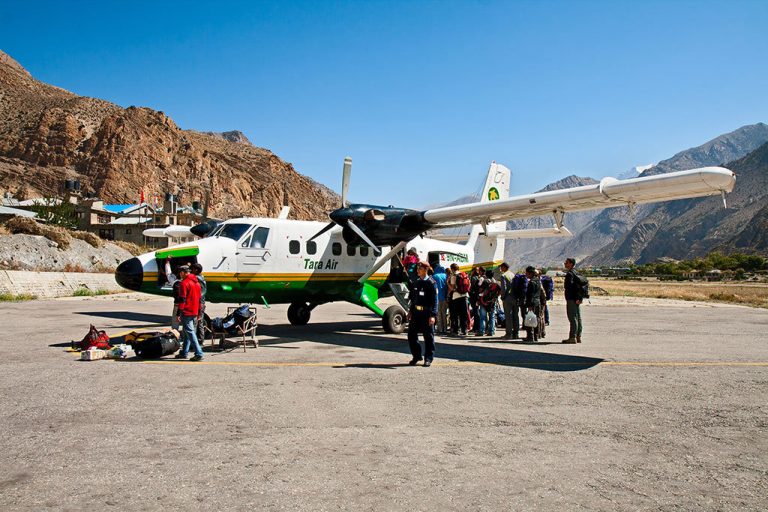
Several domestic airlines are currently offering flights on the Ramechhap–Lukla route. These include Sita Air, Tara Air, and Summit Air, among others. Each company operates multiple flights daily, depending on weather conditions and passenger demand.
The short but challenging flight, lasting about 20 minutes, is considered one of the most scenic and adventurous routes in the world, taking travelers from the lowlands of Ramechhap to the high-altitude terrain of Lukla.
Frequency of Flights
According to Prajwal Guragain, Information Officer at CAAN Ramechhap, favorable weather conditions have allowed between 50 and 65 flights per day to operate on this route. This frequency highlights the high demand for Lukla flights during the autumn trekking season.
Officials emphasized that weather plays a decisive role in flight operations, as visibility and wind conditions must meet strict safety standards for takeoff and landing at Lukla’s short and sloped airstrip.
Boost for Tourism Economy
The resumption of flights marks a positive sign for Nepal’s tourism sector. The autumn season is regarded as the prime time for Everest expeditions and trekking, drawing thousands of climbers, trekkers, and adventure enthusiasts from around the world.
The Ramechhap–Lukla service not only supports tourism but also provides income opportunities for airlines, hotels, restaurants, and local transport operators who benefit from the influx of travelers passing through Ramechhap.

Challenges and Opportunities
While the system has helped reduce congestion in Kathmandu, the four-hour road journey from the capital to Ramechhap has often been a subject of debate. Some tourists find the added travel time inconvenient, but many trekking agencies assure smooth transfers by organizing private and group transport. Despite this challenge, the use of Ramechhap airport remains an effective solution for managing flight traffic and ensuring timely access to Lukla during Nepal’s busiest trekking months.
The resumption of Ramechhap–Lukla flights signals the official start of the autumn trekking season in Nepal. With favorable weather and high demand, airlines are operating dozens of daily flights to meet the needs of Everest-bound travelers. As mountaineers and trekkers make their way to Everest Base Camp, the Ramechhap airport continues to serve as a crucial link in supporting Nepal’s adventure tourism and maintaining the country’s reputation as a global trekking hub.