The 76th anniversary of the first successful ascent of Annapurna I is being observed today, marking a significant milestone in the history of global mountaineering. The celebration honors the pioneering achievement that opened a new chapter in high-altitude climbing and Himalayan exploration.
Location and Geographic Significance
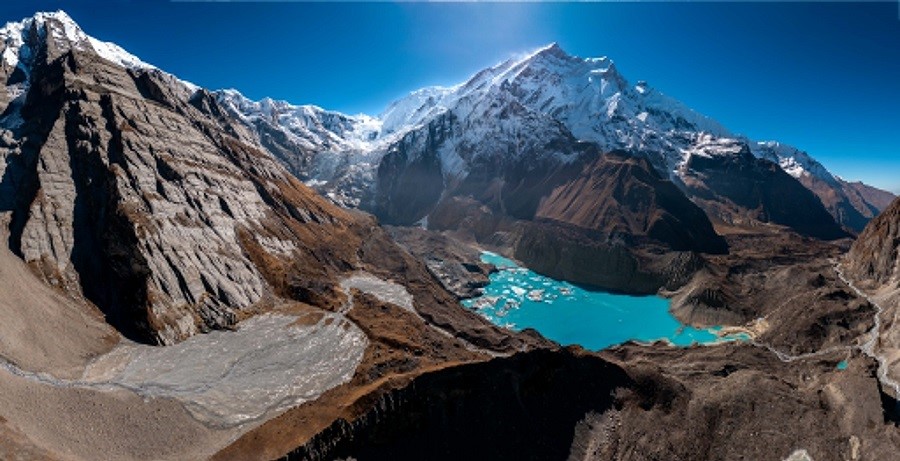
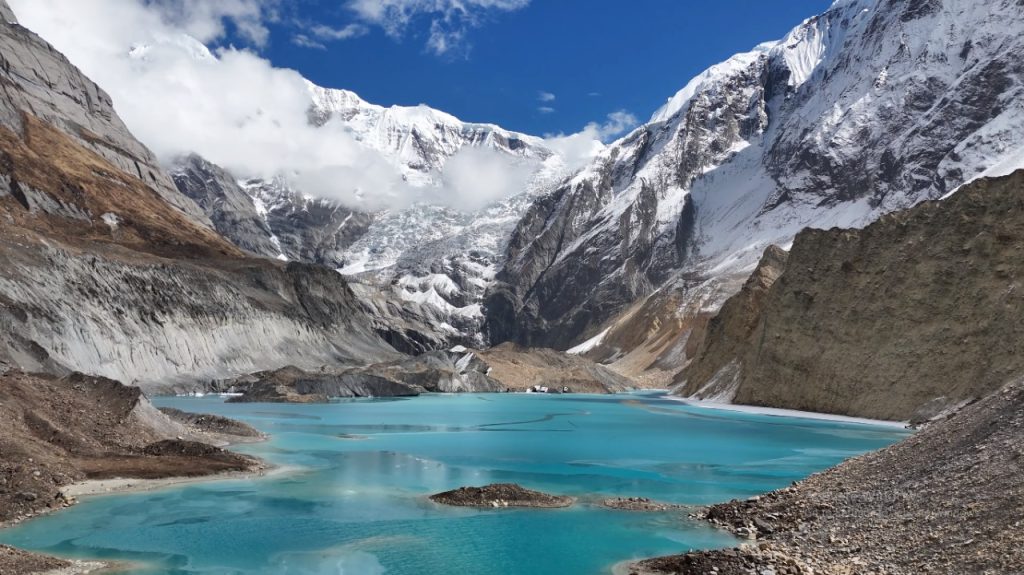
Annapurna I, standing at 8,091 metres, is located in the Annapurna region of Gandaki Province within the Himalayan range. The massif stretches across Myagdi and Kaski districts, with its wider mountain system extending toward Manang and Mustang, making it one of Nepal’s most prominent and geographically diverse mountain regions.

First Successful Ascent in 1950
The mountain was first successfully summited on June 3, 1950, by French climbers Maurice Herzog and Louis Lachenal. This historic climb marked Annapurna I as the first-ever 8,000-metre peak to be conquered by humans, an achievement that reshaped global mountaineering history. The accomplishment came three years before the successful ascent of Mount Everest (Sagarmatha), further strengthening Annapurna’s legacy as a landmark in extreme adventure and exploration.
Climbing Records and Current Expeditions
According to the Department of Tourism, a total of 536 climbers have successfully reached the summit of Annapurna I so far. For the current spring climbing season, four expedition teams comprising 27 climbers were permitted to attempt the peak. Despite its prestige, Annapurna I remains one of the most dangerous mountains in the world due to unpredictable weather and high avalanche risk.
Local Government Organizes Commemorative Events
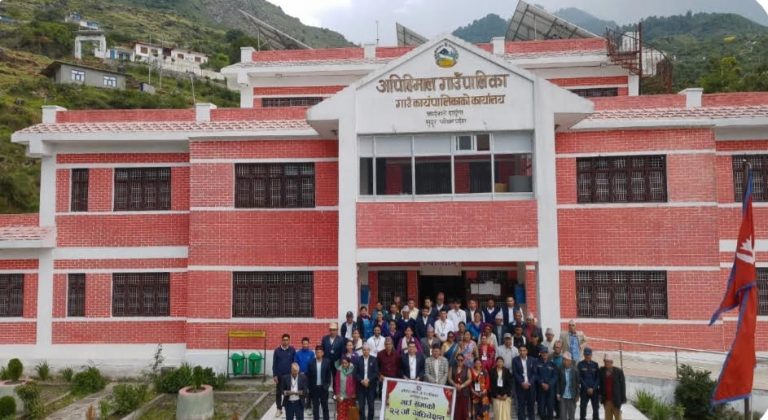
Annapurna Rural Municipality Chairperson Bharat Kumar Pun stated that various programs are being organized across the region to mark the occasion and celebrate the mountain’s historic importance. He added that the events aim to highlight both cultural heritage and tourism potential in the Annapurna region.
Trail Run and Cultural Programs
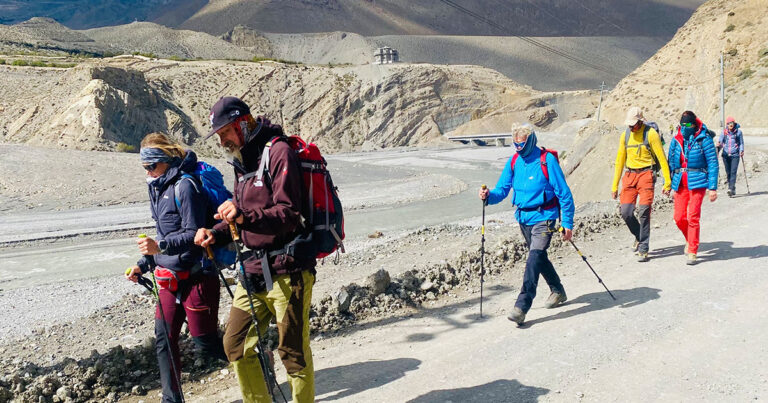
As part of the celebrations, a 36-kilometre trail run from Annapurna I base camp to Narchyang is being organized. The event will be accompanied by cultural performances and promotional activities aimed at encouraging tourism and exploring new trekking routes. Organizers say the program reflects both respect for mountaineering history and efforts to promote sustainable Himalayan tourism.

Celebration of Heritage and Tourism Growth
The commemorative events are being viewed as a celebration of Nepal’s rich mountaineering legacy and the beginning of Himalayan tourism development. Officials and local communities believe such programs help strengthen Nepal’s identity as a global adventure tourism destination.
The celebration will conclude later today in Narchyang, Myagdi, with cultural performances and an award ceremony. The closing program will honor both the historical legacy of Annapurna I and its growing importance in adventure tourism.