Minister for Culture, Tourism, and Civil Aviation, Badri Prasad Pandey, has announced that the Government of Nepal has initiated the process of registering the country’s recognized intangible cultural heritage in the International List of Intangible Cultural Heritage.
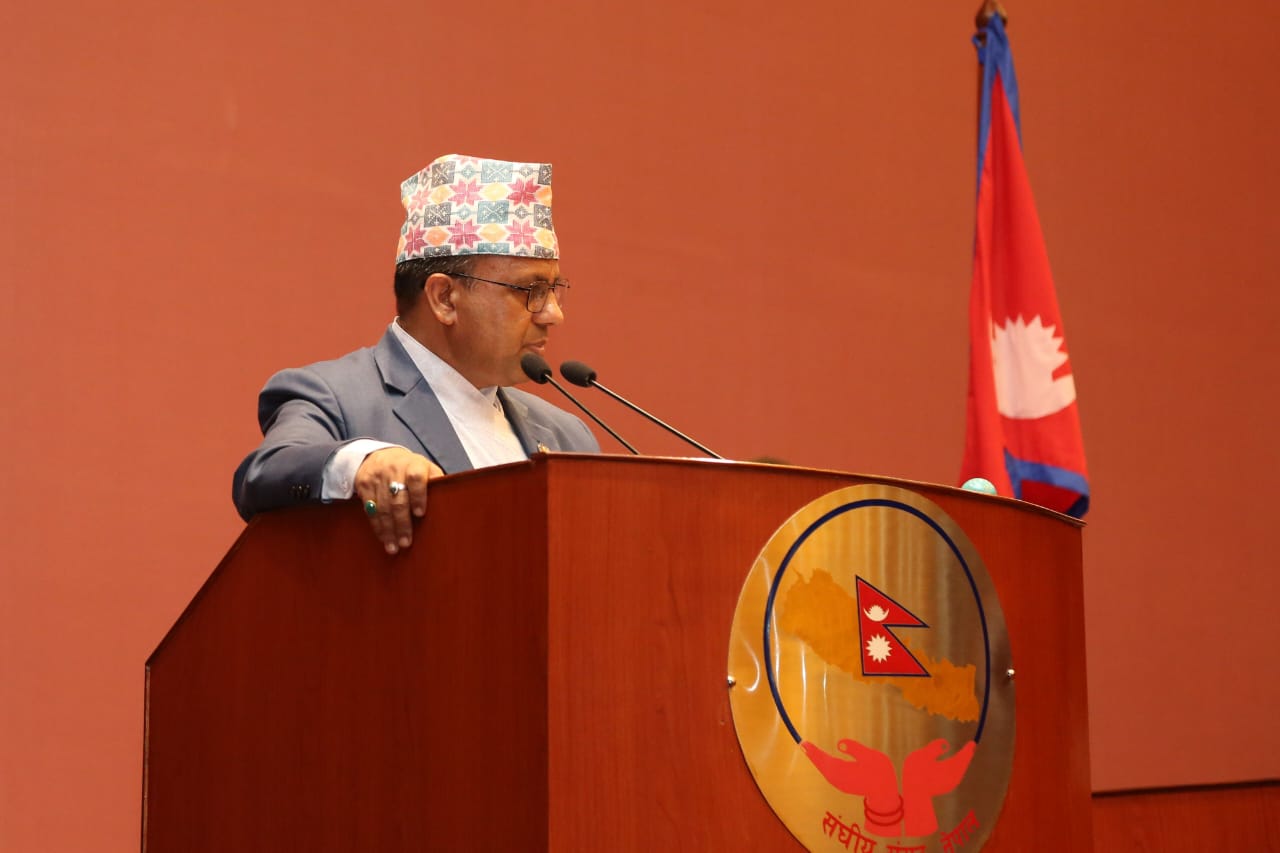
The minister made the announcement while responding to queries during Friday’s meeting of the National Assembly, which discussed the proposal to consider the Intangible Cultural Heritage (Protection) Bill, 2081. He emphasized that the protection, promotion, and international recognition of Nepal’s cultural assets remain a top priority for the government.
Government Prioritizing Heritage Preservation
Minister Pandey highlighted that the government has already developed specific procedures to safeguard intangible cultural heritage and systematically register them. As of now, 105 items have been officially recorded as intangible cultural heritage within Nepal.
He revealed that the Newar community’s traditional delicacy “Yomari” holds the honor of being the first intangible cultural heritage to be registered in Nepal. “With the formulation of this bill into law, it will not only enable the systematic listing of traditional practices but also greatly contribute to their promotion and preservation,” Minister Pandey stated.
Process for International Recognition
Explaining further, Minister Pandey noted that registering Nepal’s intangible heritage in the UNESCO Intangible Cultural Heritage List will involve a meticulous process. This includes the preparation of detailed documentation, cultural research, and consultations with stakeholders to ensure authenticity and sustainability.
According to the minister, the government has already initiated these preliminary steps, and relevant ministries and cultural bodies are working together to ensure that Nepal’s heritage items are recognized globally. This will help enhance Nepal’s cultural identity, tourism appeal, and international soft power.
Stakeholder Consultation in Drafting the Bill
The Intangible Cultural Heritage (Protection) Bill, 2081 has been formulated following extensive consultations with stakeholders, including cultural experts, heritage organizations, community representatives, and provincial governments. Minister Pandey stressed that community participation is crucial since most intangible heritage items originate from local traditions, customs, and practices.
“Preserving intangible cultural heritage is not just about maintaining old customs; it is about protecting the living traditions that define our identity,” Pandey remarked. “This bill ensures that these traditions are documented, recognized, and supported for future generations.”
Stakeholder Consultation in Drafting the Bill
The Intangible Cultural Heritage (Protection) Bill, 2081 has been formulated following extensive consultations with stakeholders, including cultural experts, heritage organizations, community representatives, and provincial governments. Minister Pandey stressed that community participation is crucial since most intangible heritage items originate from local traditions, customs, and practices.
“Preserving intangible cultural heritage is not just about maintaining old customs; it is about protecting the living traditions that define our identity,” Pandey remarked. “This bill ensures that these traditions are documented, recognized, and supported for future generations.”
Importance of Intangible Cultural Heritage
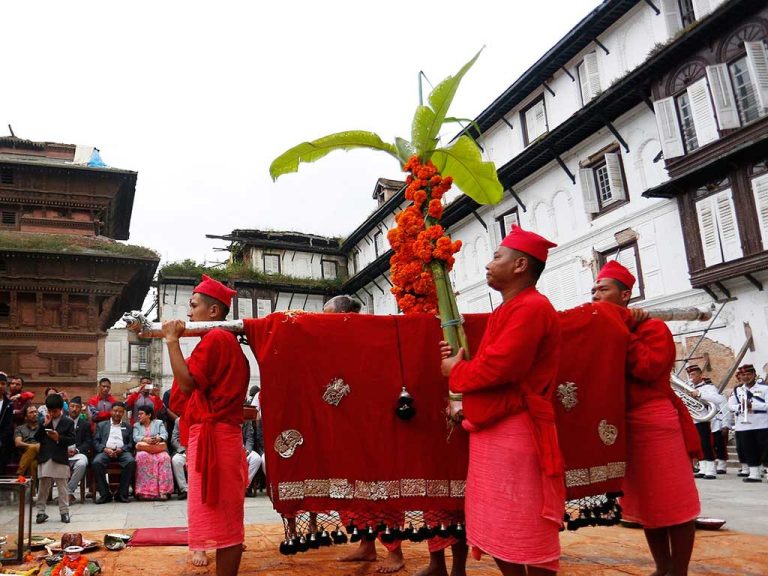
Intangible cultural heritage refers to practices, expressions, knowledge, and skills passed down through generations. This includes festivals, rituals, performing arts, traditional craftsmanship, food culture, folklore, and oral traditions.
Minister Pandey explained that while Nepal is home to numerous tangible heritage sites such as temples, monuments, and historic structures, intangible heritage is equally important as it reflects the spirit, values, and way of life of the people. Without preservation efforts, many of these practices risk fading away due to modernization, migration, and changing lifestyles.
Preservation and Promotion Efforts
The minister assured that the government is committed to preserving both the tangible and intangible aspects of Nepal’s culture, emphasizing that several key measures will be implemented under the new law. These include the systematic documentation of heritage practices through recording and archiving with the support of cultural researchers, historians, and local communities. To enhance promotion and awareness, the government plans to organize festivals, exhibitions, and cultural exchange programs aimed at showcasing Nepal’s heritage at both national and international levels.
Efforts will also focus on capacity building by providing training to cultural practitioners and youth, ensuring the continuity of traditional practices for future generations. Furthermore, the minister highlighted international collaboration, noting that Nepal will partner with UNESCO and other global heritage organizations to secure recognition and funding for preservation projects.
Benefits of International Listing
Minister Pandey emphasized that international recognition will have multiple benefits:
- Cultural Diplomacy – Strengthening Nepal’s image as a culturally rich and diverse nation.
- Tourism Growth – Attracting more cultural tourists seeking authentic experiences.
- Economic Opportunities – Generating income for local communities engaged in heritage-related activities.
- Cultural Sustainability – Ensuring traditions are not lost and are passed on to future generations.
He cited examples from other countries where UNESCO recognition of intangible heritage has significantly boosted tourism and revived interest in traditional practices.
Role of Communities in Preservation
Acknowledging the central role of communities, Minister Pandey stated that the government will work closely with local stakeholders to ensure that preservation efforts respect cultural ownership and authenticity. He stressed that the state’s role is to support and facilitate, while the custodians of these traditions remain the communities themselves.
“This law is designed to empower communities to take pride in their heritage while receiving the necessary resources and recognition to sustain it,” Pandey noted.
Next Steps for the Bill
The Intangible Cultural Heritage (Protection) Bill, 2081 is currently under consideration in the National Assembly. Once passed into law, it will establish a legal framework for:
- Identification and registration of intangible heritage items.
- Guidelines for preservation, promotion, and transmission.
- Funding and incentives for heritage bearers and practitioners.
- Penalties for misuse or distortion of recognized heritage.
Minister Pandey expressed confidence that the bill will receive broad support, given the growing awareness of cultural preservation’s importance in strengthening national identity and promoting tourism.
Minister Badri Prasad Pandey’s announcement marks a significant step in safeguarding Nepal’s intangible cultural heritage at both national and international levels. By systematically documenting, promoting, and seeking UNESCO recognition for cultural practices, Nepal aims to secure its rich traditions for generations to come.
As the government moves forward with the bill and registration process, communities, cultural organizations, and policymakers will need to work hand in hand to ensure that Nepal’s living heritage remains vibrant, relevant, and celebrated worldwide.