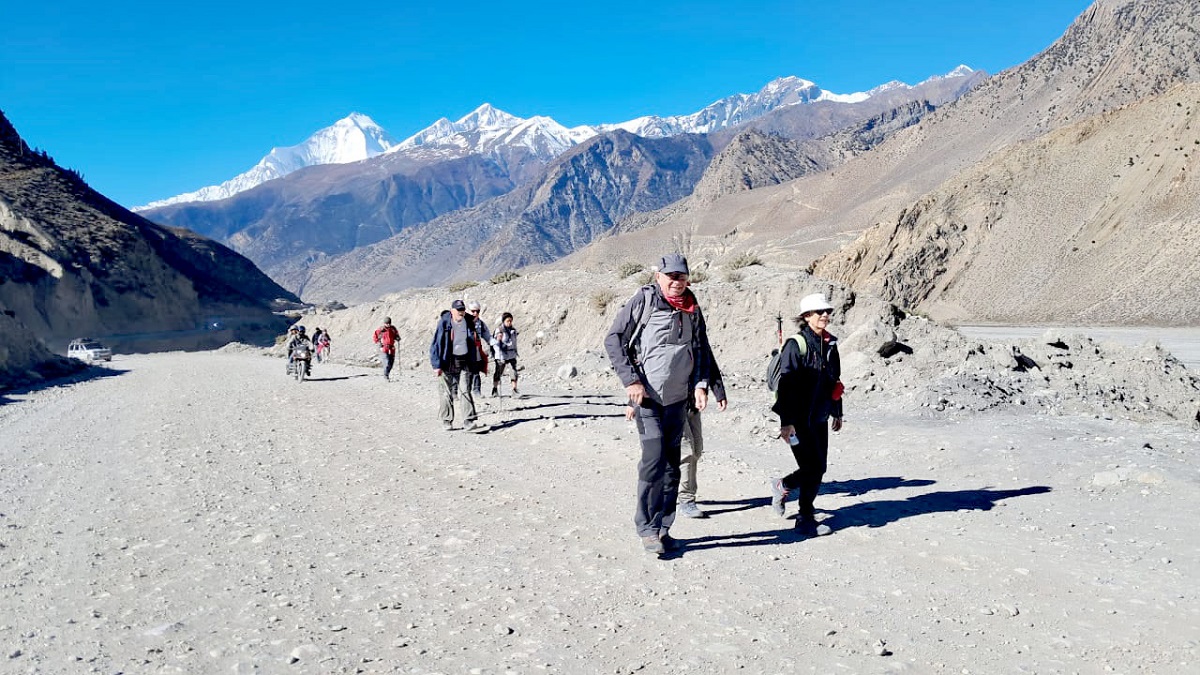
Mustang district has recorded a remarkable rise in foreign tourist arrivals during the first eight months of 2025, welcoming a total of 116,787 international visitors between January and August. According to the Annapurna Conservation Area Project (ACAP) Area Office, Jomsom, 101,161 visitors came from SAARC countries while 15,626 tourists were from other nations during the period.
The district, part of Nepal’s famous Annapurna Conservation Area, continues to grow in popularity among both regional and long-haul travellers. The latest figures indicate that 14% of all tourists visiting Nepal in August chose the Annapurna Conservation Area (ACA). The trend of visiting ACA is steadily rising, supported by easier access and global exposure.
Breakdown of Tourist Arrivals by Month
The ACAP data shows that a majority of Mustang’s foreign visitors come from SAARC countries, accounting for 86.62% of arrivals, while 13.37% are from other nations. Below is the month-wise breakdown for January–August 2025:
| Month | SAARC Tourists | Other Tourists | Total Arrivals |
|---|---|---|---|
| January | 3,830 | 516 | 4,346 |
| February | 4,510 | 793 | 5,303 |
| March | 16,507 | 2,588 | 19,095 |
| April | 18,304 | 4,848 | 23,152 |
| May | 21,946 | 3,781 | 25,727 |
| June | 19,649 | 1,209 | 20,858 |
| July | 9,794 | 825 | 10,619 |
| August | 6,621 | 1,066 | 7,687 |
| Total | 101,161 | 15,626 | 116,787 |
Year-on-Year Growth
Compared to the same period in 2024, Mustang has witnessed a 21.98% increase in foreign tourist arrivals. This translates to 25,678 more visitors than last year.
In 2024 (January–August), the district welcomed 78,760 SAARC tourists and 12,349 other tourists, totalling 91,109. This year’s growth includes a 22.14% rise in SAARC visitors (an additional 22,401 tourists) and a 20.97% rise in other foreign visitors (an additional 3,277 tourists).
The data reflects not only Mustang’s growing appeal but also the increasing role of regional tourism, especially from India, which accounts for nearly 80% of SAARC arrivals.
Religious Tourism a Major Driver
According to ACAP, most Indian visitors come for religious purposes, particularly to visit the famous Muktinath Temple, a sacred site for both Hindus and Buddhists. The temple’s spiritual significance, combined with Mustang’s natural beauty, makes it one of Nepal’s most sought-after pilgrimage destinations.
Infrastructure Boost Driving Growth
One of the key factors behind this surge in tourist numbers is the improved road connectivity. The Beni–Jomsom road, considered a project of national pride, has made travel to Mustang far easier than in previous years. This road has reduced travel time, improved comfort, and attracted more domestic and international visitors alike.
The district’s rising popularity has also been boosted by global media coverage. Several international publications and travel portals have listed Mustang among the “must-visit” destinations in Asia, contributing to an influx of curious travellers eager to experience its unique charm.
Diverse Attractions Fueling Popularity
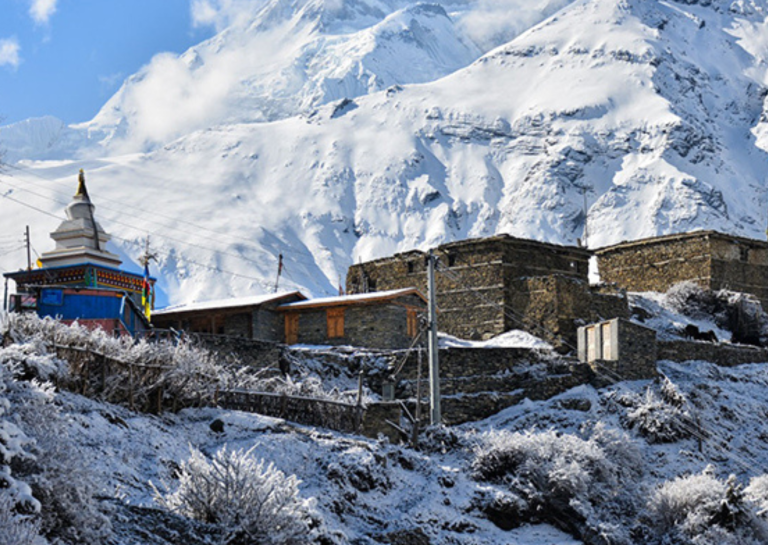
Mustang’s appeal lies in its unique blend of religious, cultural, and natural attractions. The region is home to centuries-old monasteries, chortens, mani walls, and sacred caves. Its traditional mud-brick houses, tranquil lakes, and awe-inspiring mountain landscapes create a distinct atmosphere that draws travellers seeking authenticity.
Prominent attractions include:
- Lo Manthang – the ancient walled city and former royal capital of Upper Mustang.
- Kagbeni – a historic village serving as the gateway to Upper Mustang.
- Korala Border Area – located near the Nepal-China border.
- Tiji Festival – an annual cultural and religious celebration in Lo Manthang.
- Muktinath Temple – a revered site for both Hindus and Buddhists.
This mix of spiritual heritage, history, and natural wonders continues to position Mustang as a year-round destination for a wide range of travellers.
Seasonal Tourism Patterns
The monthly data shows that peak tourist arrivals occur in spring (March–May) and early summer (June). April and May were the busiest months in 2025, welcoming over 23,000 and 25,000 tourists respectively. These months coincide with favorable weather conditions, making trekking and sightseeing more enjoyable.
The monsoon season (July–August) saw fewer arrivals, primarily due to road disruptions and reduced flight operations caused by heavy rainfall. However, Mustang still maintains steady traffic even in the wet season due to religious tourism to Muktinath.
Long-Term Outlook for Mustang’s Tourism
With improved infrastructure, active promotion, and a growing global reputation, Mustang’s tourism sector is expected to continue its upward trajectory. ACAP’s efforts to preserve the natural and cultural heritage of the region have also helped maintain its authenticity, which is a major draw for responsible travellers.
Experts suggest that if current trends continue, Mustang could surpass its 2024 annual record of 125,719 foreign tourists within the next few years. This would solidify its position as one of Nepal’s top tourist destinations, both for adventure seekers and cultural enthusiasts.
Mustang’s 21.98% increase in foreign visitors in just the first eight months of 2025 is a testament to the district’s growing appeal. With over two-thirds of tourists coming from SAARC nations, especially India, religious tourism remains a major contributor, while adventure travel and cultural exploration continue to attract international travellers.
As connectivity improves and global exposure increases, Mustang is well on its way to becoming one of the most visited and celebrated destinations in the Himalayas, offering a rich blend of spirituality, history, and breathtaking landscapes to the world.