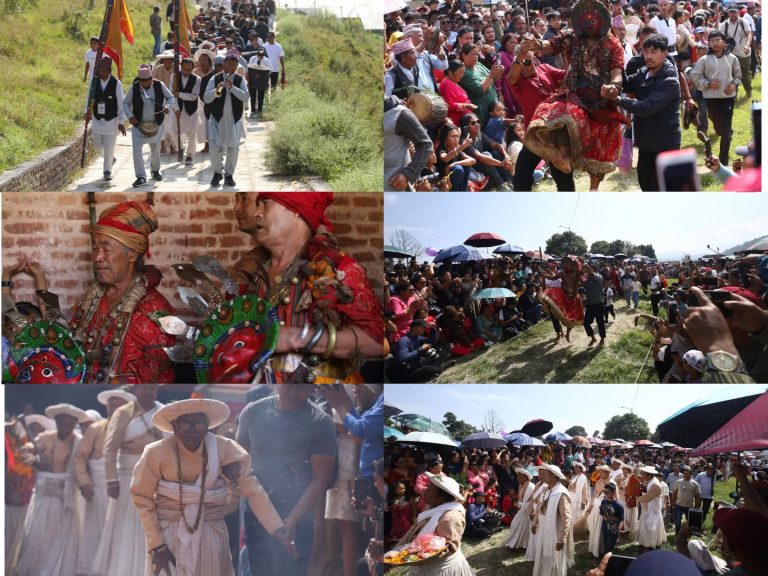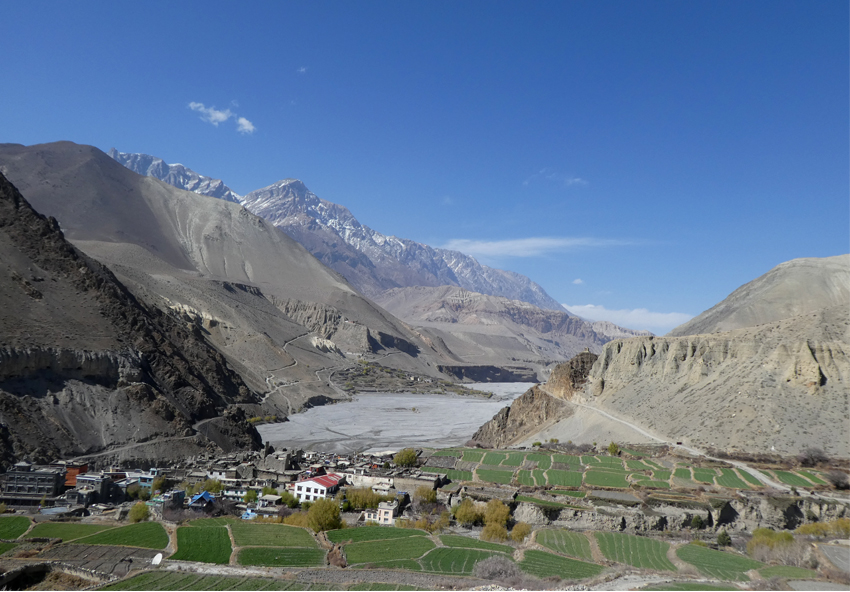
Kagbeni Dham, a revered religious site in Mustang known for performing rites for deceased ancestors, has witnessed a significant drop in pilgrim arrivals this year. Traditionally, devotees flock to this sacred location to honor and appease their forefathers, especially during the Sohra Shraddha period leading up to the festival of Dashain. However, due to unforeseen national circumstances, the number of religious pilgrims visiting the site has decreased sharply.
Spiritual Significance of Kagbeni Dham
Situated at the confluence of the Kali River, originating from Damodarkund, and the Gandaki River, flowing from Muktinath, Kagbeni Dham holds profound religious importance for Hindus. Pilgrims come to perform sacred rituals such as Pindadaan, Sidadaan, and Tarpan, all aimed at appeasing departed souls. According to Hindu scriptures, performing Shraddha at this confluence ensures that ancestors are pleased and their blessings are received.
Traditionally, devotees bathe at the banks of the Kali Gandaki, followed by religious ceremonies conducted by priests in the name of the departed. These rituals have been a cornerstone of Hindu spiritual practice, particularly in the Mustang region, drawing large crowds every year.

Decline in Pilgrim Arrivals
Last year, over 20,000 devotees performed Shraddha at Kagbeni on the day of Aunsi, marking a significant spiritual gathering. This year, however, the numbers have plummeted by approximately 80 percent. According to Inspector Vishal Khatri of the Mustang District Police Office, only 4,011 pilgrims arrived via road through Myagdi on the day before Aunsi, a stark contrast to the figures recorded in previous years.
Inspector Khatri further elaborated that of these pilgrims, 3,899 were domestic devotees, while 112 were international visitors. A total of 572 vehicles entered Mustang on the day preceding Aunsi, reflecting a considerable reduction compared to past years.
Pilgrim Flow During the Pitripaksha Period
From the first day of Pitripaksha, which started just before this year’s Dashain, until the final day of Sohra Shraddha, a total of 9,052 religious pilgrims entered Mustang via roadways, according to the Mustang District Police Office. Among them, 2,216 were foreign visitors from SAARC countries, highlighting that even international pilgrimages have been affected by current conditions. During this period, 2,636 vehicles were recorded entering the region.
In comparison, last year, by the 16th day of Sohra Shraddha, tens of thousands of devotees had visited Kagbeni to perform rituals for their ancestors. The vibrant spiritual activity that usually characterizes the site was notably subdued this year.
Local Perspectives
Priest Ishwar Regmi of Kagbeni noted the stark reduction in pilgrims bathing on Aunsi. He highlighted that the current national situation has directly impacted the traditional gatherings, resulting in a quieter, less festive atmosphere at the sacred site. “Compared to previous years, this year’s Aunsi witnessed very few devotees at Kagbeni for the sacred rituals. The enthusiasm and vibrancy typically seen here have diminished due to prevailing circumstances in the country,” Regmi said.
The reduced flow of pilgrims not only affects religious observances but also impacts the local economy, which relies significantly on visitors during the peak Shraddha period. Accommodation providers, local eateries, and transport operators in Mustang have felt the impact of the decline in visitors.
Broader Implications
The drop in pilgrim arrivals at Kagbeni Dham reflects broader challenges facing religious tourism in Nepal. Political, economic, and social disruptions in the country have contributed to fewer people undertaking traditional journeys to spiritual sites. Religious tourism, a vital component of Mustang’s cultural and economic fabric, now faces the need for strategic planning to maintain the sanctity of traditions while ensuring accessibility for devotees.

Authorities and local communities are emphasizing safety, logistical support, and awareness to encourage pilgrimages despite the challenging national environment. While the spiritual essence of Kagbeni remains intact, the visible reduction in pilgrim numbers underscores the delicate balance between tradition and the prevailing socio-political realities.
Kagbeni Dham, a spiritual hub for performing rites for deceased ancestors, has experienced an unprecedented decline in pilgrims this year. From the sacred confluence of the Kali Gandaki and Gandaki rivers to the ceremonial Pindadaan and Tarpan rituals, the site’s religious significance remains undiminished. However, the current national circumstances have led to fewer devotees, a quieter atmosphere, and a notable economic impact on the local community.
As Nepal navigates its ongoing challenges, the faithful continue to uphold traditions in smaller numbers, sustaining the spiritual essence of Kagbeni Dham while adapting to the evolving national context.