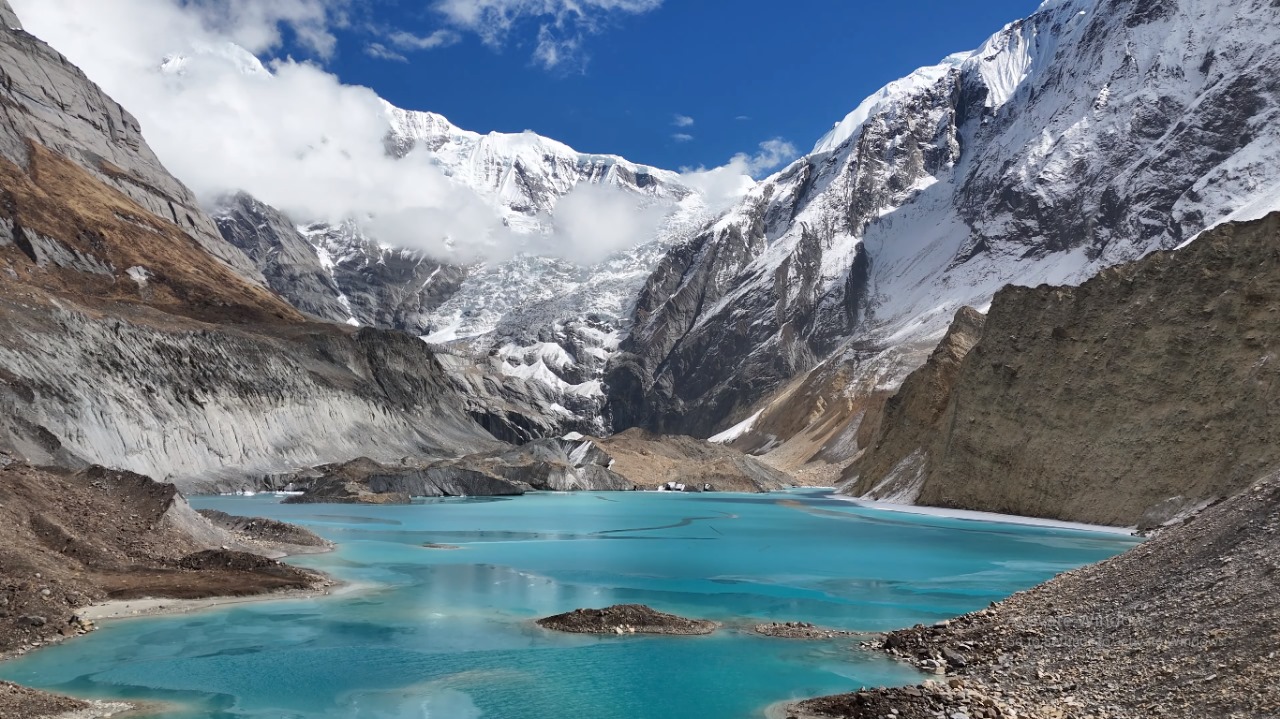
With the onset of the tourism season, touristic activities have gained momentum along the Maurice Herzog Trail and the Annapurna Base Camp (ABC) route. Situated in Annapurna Rural Municipality-4 of Myagdi district, the Annapurna Base Camp, popularly known as ABC among trekkers and the tourism community, is witnessing a steady flow of visitors, marking a revival of its long-overlooked potential.
Local representative Shyam Purja shared that as many as 40 trekkers have already arrived in the area for trekking along the Annapurna Base Camp route. He further noted that the number is expected to grow in the coming days, particularly during the Dashain vacation when both domestic and international travel activity peaks.

Rediscovery of a Neglected Trail
Although the Annapurna Base Camp and Maurice Herzog Trail had remained relatively obscure for years, recent initiatives in promotion, infrastructure development, and improved hospitality have significantly boosted interest in the region. Once overshadowed by other popular trekking routes in the Annapurna region, ABC is now emerging as a sought-after destination for both adventure seekers and cultural explorers.
Purja expressed optimism that with continued investment in infrastructure and promotional campaigns, the ABC could soon rival other iconic trekking routes in Nepal. “The arrival of trekkers is encouraging, and we expect this momentum to grow during the festival season,” he remarked.
Natural Beauty and Trekking Experience
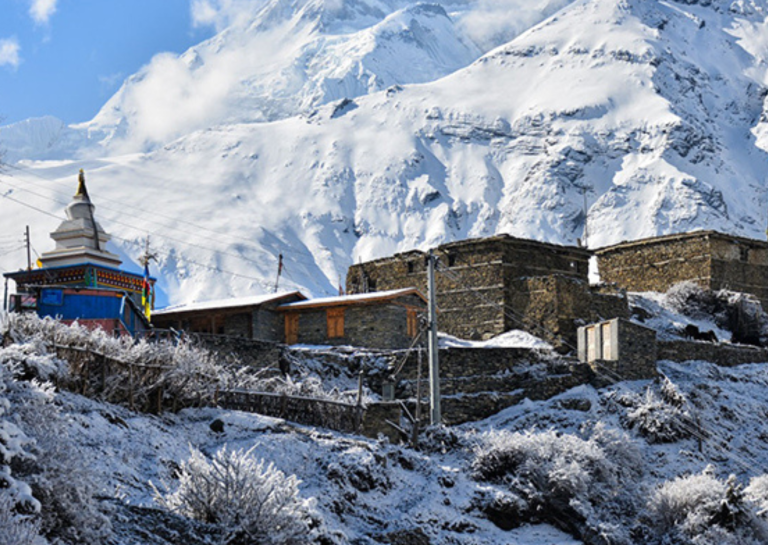
Nestled along the banks of the Mistrikhola (stream), the Annapurna Base Camp offers trekkers a serene and pristine environment enriched with rare flora and fauna. The route to the base camp is both accessible and rewarding: trekkers can reach the camp within two days from Narchyang and return in three days, making it suitable for short adventure holidays.
Until just a few years ago, the base camp area often remained deserted, with only occasional visitors. However, with the establishment of trekking trails, local lodges, and new attractions along the route, the number of domestic trekkers has surged. Key highlights include Panchkunda Lake, Futphute Lake, as well as naturally formed caves and waterfalls, all of which enhance the trekking experience.
Role of Local Communities
The growth of tourism in ABC and along the Maurice Herzog Trail has been strongly supported by community-level initiatives. Following policy decisions by the Annapurna Conservation Area Project (ACAP), youths from Narchyang have established eateries and small businesses catering to trekkers. These enterprises, ranging from camping services to food stalls, have created livelihood opportunities for local residents while simultaneously enhancing the tourism experience.
Local entrepreneurs have also collectively invested in setting up hotels at strategic points along the route. These establishments not only provide accommodation but also contribute to the sustainable development of the region by generating income and employment. The camping sites developed along the route can accommodate up to 50 tourists per day, enabling both small groups and larger trekking parties to enjoy the trail.
Infrastructure Development Boosting Tourism
The region’s tourism revival has been attributed in large part to recent infrastructure development. Construction of trekking trails, improved signage, and expansion of camping facilities have made the base camp more accessible. Similarly, hospitality services, ranging from tea houses to camping grounds, have created a more organized and welcoming environment for visitors.
These changes have begun to shift perceptions of the Annapurna Base Camp and Maurice Herzog Trail from neglected sites into promising destinations with immense potential. As word of mouth spreads and social media platforms highlight the beauty of the region, more travelers, both domestic and international, are beginning to take notice.
Challenges of Growing Tourism
Despite these positive developments, challenges remain. Tourists have raised concerns regarding the poor management of garbage and sanitation along the trail. With rising numbers of trekkers, waste disposal has emerged as a critical issue that requires immediate attention to protect the area’s ecological balance.
Local authorities and conservation groups acknowledge the problem and stress that sustainable tourism practices must be implemented. Measures such as designated waste disposal sites, awareness campaigns, and active participation of trekking groups in maintaining cleanliness are being considered as part of a long-term strategy.
Looking Ahead
The growing tourist activity along the Maurice Herzog Trail and Annapurna Base Camp signals a promising future for the region. With its natural beauty, cultural significance, and improved infrastructure, ABC has the potential to become one of Nepal’s flagship trekking destinations. However, stakeholders emphasize that its long-term success depends on balancing growth with sustainability.

For local communities, tourism is not just about attracting visitors but also about ensuring steady livelihoods and preserving natural resources. By strengthening community involvement, enhancing sanitation management, and promoting eco-friendly practices, the region can position itself as a model of responsible tourism.
The revival of touristic activities at the Annapurna Base Camp and along the Maurice Herzog Trail is a story of rediscovery and resilience. Once overlooked, the area is now gaining recognition thanks to collective efforts in infrastructure development, local entrepreneurship, and natural charm. With an increasing number of trekkers arriving and greater potential during the Dashain festival season, stakeholders see bright prospects ahead.
Nonetheless, challenges such as waste management and environmental conservation must be addressed swiftly to safeguard the region’s pristine beauty. As tourism flourishes, the balance between development and sustainability will be the key to ensuring that the Annapurna Base Camp continues to captivate generations of trekkers from around the world.