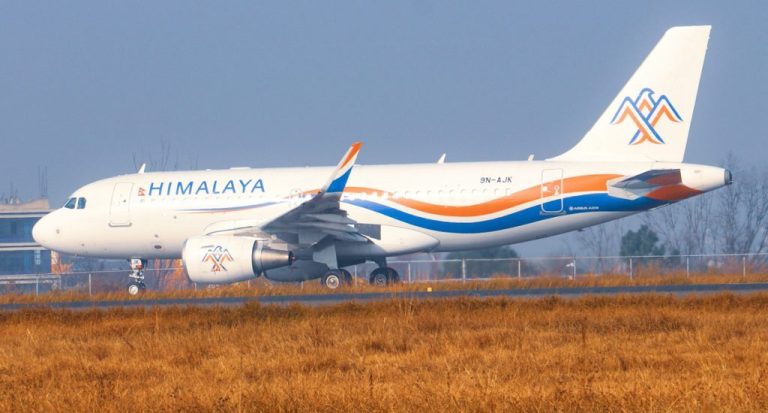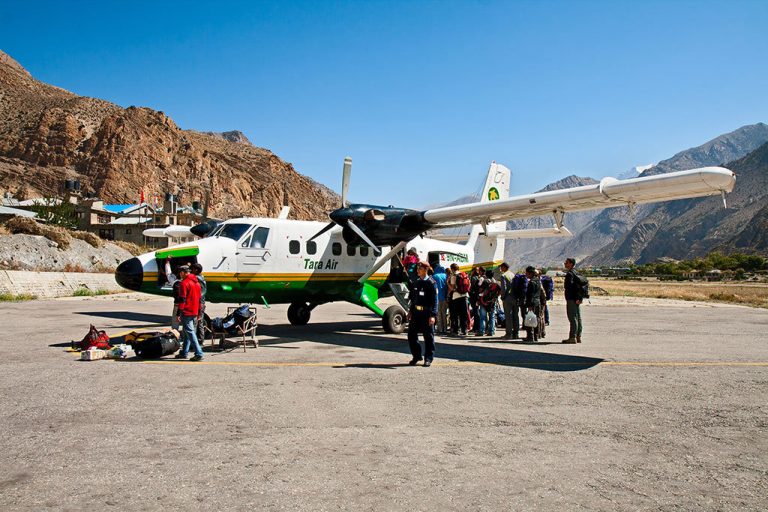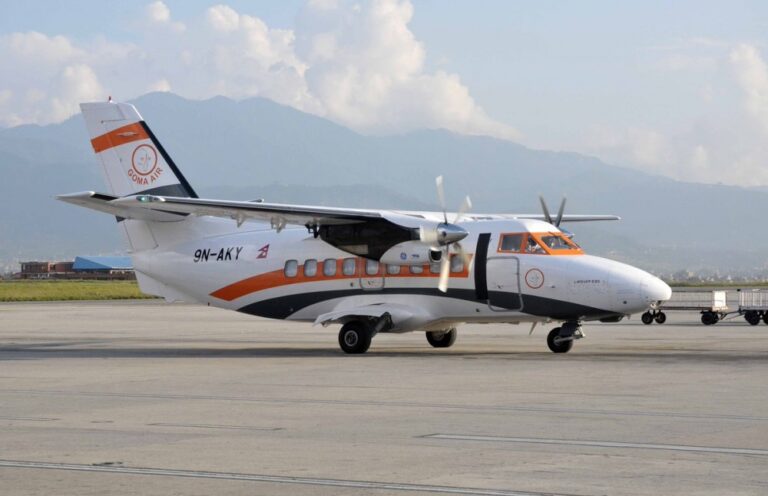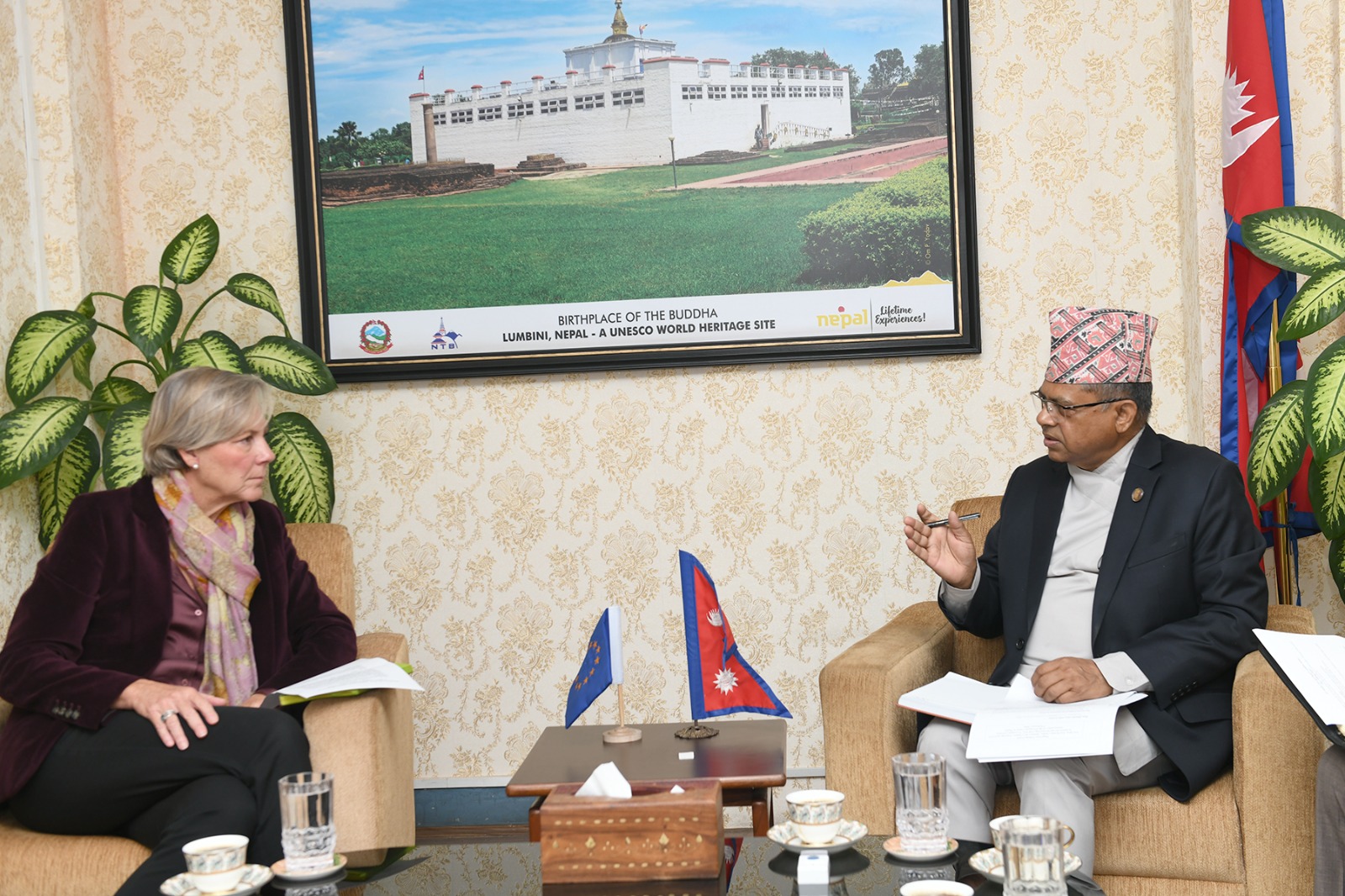
Nepal and the European Union (EU) recently held high-level discussions focused on improving aviation safety, with both sides emphasizing their shared goal of removing Nepal from the EU aviation safety list. Despite ongoing reforms, Nepali airlines remain banned from European Union airspace due to persistent safety concerns.
Courtesy Meeting Between Minister and EU Ambassador
The issue was addressed during a courtesy meeting on Tuesday at the Ministry of Culture, Tourism, and Civil Aviation. Minister Anil Kumar Sinha met with EU Ambassador to Nepal Veronique Lorenzo to discuss Nepal’s ongoing efforts to enhance aviation safety and strengthen the institutional capacity of the Civil Aviation Authority of Nepal (CAAN).

Minister Sinha highlighted the policy and regulatory measures currently underway to align Nepal’s aviation practices with international safety standards. “Nepal is committed to implementing reforms that ensure compliance with global aviation safety requirements,” he stated during the meeting.
Ambassador Lorenzo welcomed Nepal’s initiatives, affirming that the European Union remains supportive of efforts to improve aviation safety. “Resolving the safety concerns is in the mutual interest of Nepal and the European Union,” she said.
EU Ban on Nepali Airlines Continues
Despite these efforts, all Nepali airlines remain banned from operating within the European Union. The European Commission (EC) recently extended the ban, citing a continued lack of progress in safety oversight by Nepali authorities.
The EU Air Safety List, which was updated recently, currently restricts all 20 Nepali carriers from flying to the 28-nation bloc. Globally, 169 airlines are included on the list due to safety concerns linked to inadequate oversight by their respective civil aviation authorities.
The European Union Aviation Safety Agency (EASA) noted that Nepal’s Civil Aviation Authority has yet to demonstrate sufficient improvements in regulatory oversight. The initial ban was first imposed in 2013, and the lack of significant progress has led to the continued enforcement of the restrictions.
Broader EU-Nepal Engagement
The meeting also touched on Nepal’s wider engagement with the European Union as the country prepares to graduate from the Least Developed Country (LDC) category in 2026. Strengthening aviation safety is seen as a critical step toward fostering greater connectivity, trade, and tourism ties with Europe.
Officials noted that lifting the European Union ban would not only enhance Nepal’s international aviation reputation but also boost tourism, trade, and investment, contributing to economic growth.

Nepal is expected to continue implementing reforms aimed at improving safety standards, including upgrading training programs, modernizing aviation infrastructure, and enhancing regulatory oversight. Both Nepal and the European Union reaffirmed their commitment to ongoing dialogue and cooperation to eventually remove the country from the European Union aviation safety list.
While challenges remain, authorities on both sides expressed optimism that sustained efforts could restore confidence in Nepali aviation and allow Nepali carriers to resume operations within Europe in the future.