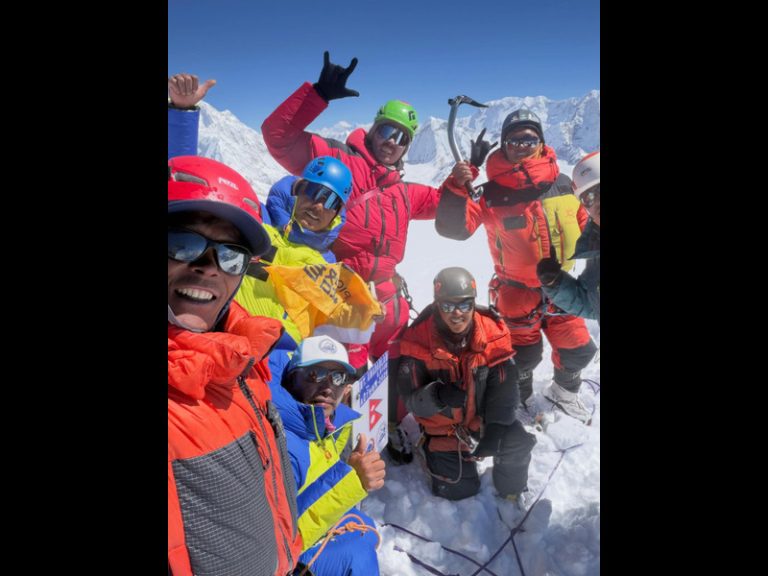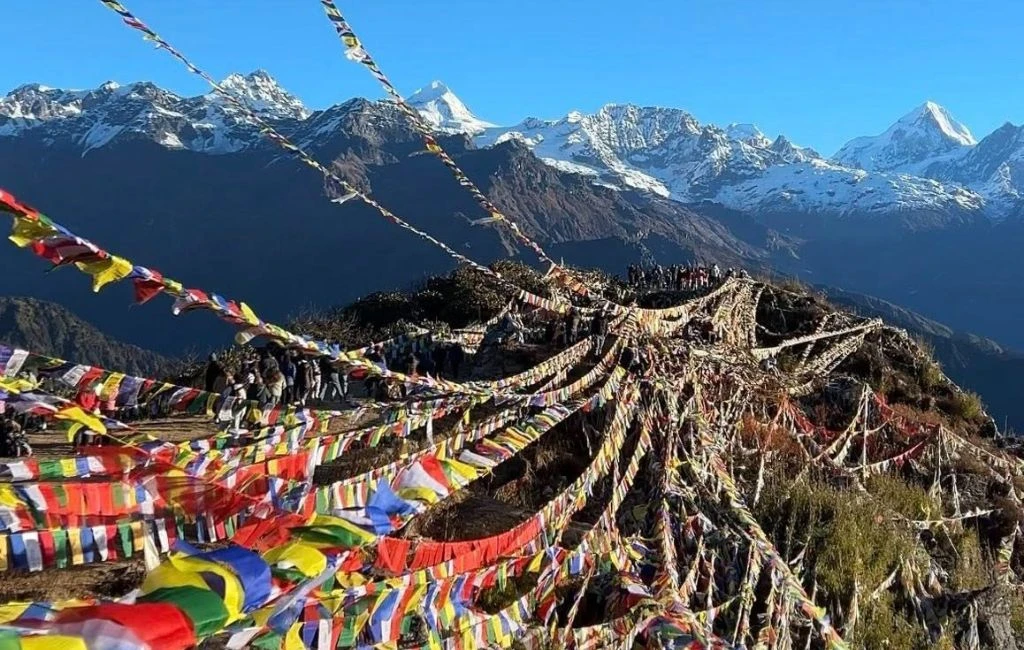
A short trek to Ama Yangri through the forests and villages of Helambu leads to a sacred Himalayan summit offering spectacular mountain views and a glimpse into the spiritual heritage of the Hyolmo people. Located in the Helambu region of Sindhupalchok District, Ama Yangri stands at 3,771 meters (12,372 feet) above sea level. Revered by the local Hyolmo community as a protective mother deity, the mountain is both a sacred site and an increasingly popular trekking destination. Its relatively proximity to Kathmandu makes Ama Yangri particularly attractive to travelers who want to experience the Himalayas without committing to a long trekking itinerary. Depending on the route and transportation arrangements, the journey can generally be completed in two to three days.
Why Visit Ama Yangri?
Ama Yangri offers several experiences within a relatively short journey from Kathmandu. Travelers can combine high-altitude trekking, Himalayan scenery, Buddhist heritage, traditional village life, and Hyolmo culture in one trip. The main attractions include:
- Ama Yangri summit at 3,771 meters
- Panoramic views of the Himalayan ranges
- Buddhist religious structures and prayer flags
- Hyolmo villages and cultural traditions
- Forest trails and mountain landscapes
- Sunrise and sunset views from the summit
For travelers with limited time in Nepal, the destination provides an opportunity to experience a genuine mountain environment without undertaking a lengthy Himalayan expedition.
Where Is Ama Yangri?
Ama Yangri is situated in Helambu, Sindhupalchok District, northeast of Kathmandu. The destination is generally approached through Melamchi and Tarkeghyang, an important settlement in the Helambu region. The road journey from Kathmandu covers approximately 75–90 kilometers, although actual travel time varies depending on road conditions, traffic and the season. As the journey progresses from Kathmandu toward Helambu, the urban landscape gradually gives way to green hills, forests, mountain settlements and increasingly dramatic Himalayan scenery.
The Cultural and Spiritual Significance of Ama Yangri
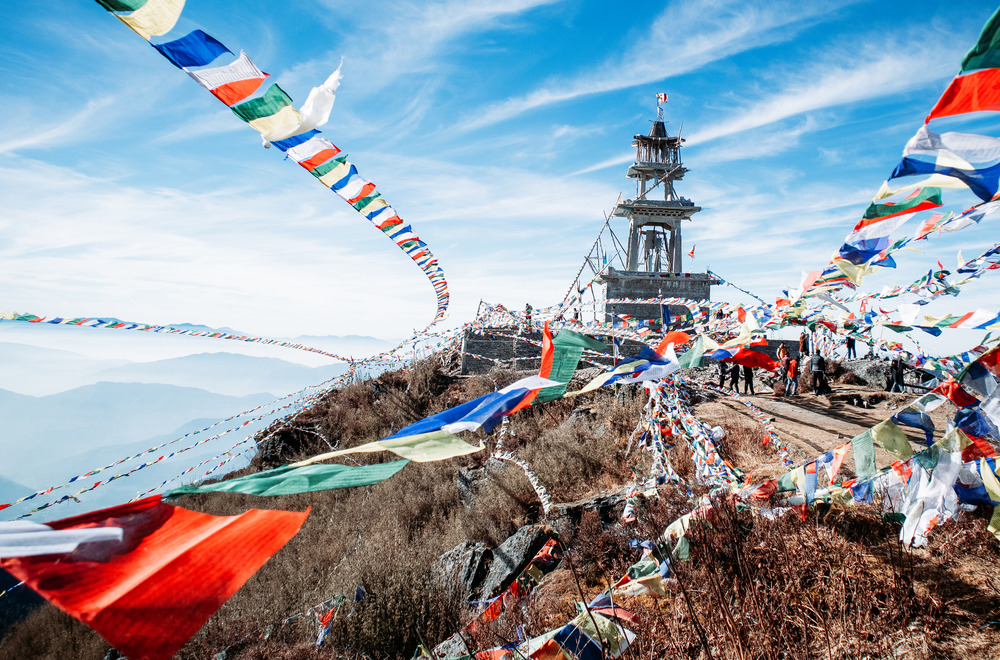
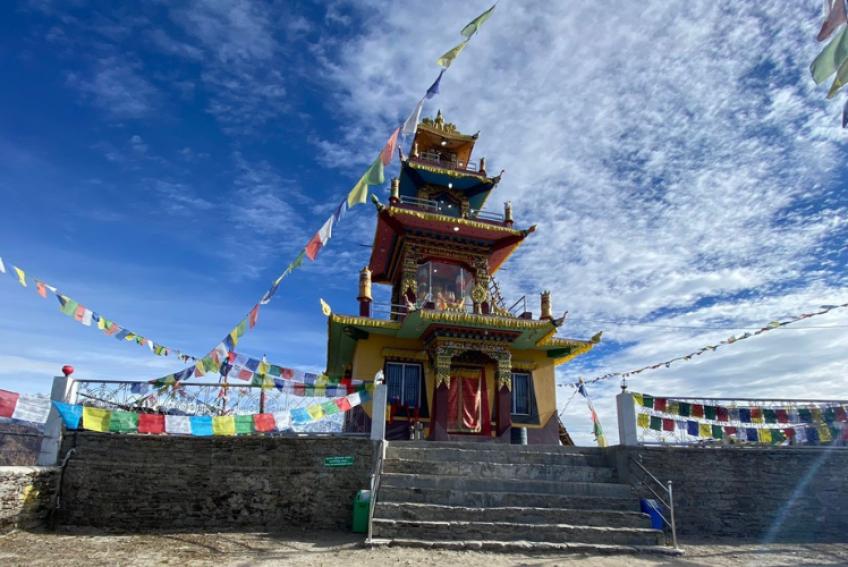
Ama Yangri is more than a trekking destination for the people of Helambu. The mountain is revered as a protective mother deity by the local Hyolmo community, which considers it a spiritual guardian of the surrounding region. The name “Ama” means mother, reflecting the mountain’s association with protection and reverence. The summit contains Buddhist religious structures, prayer wheels and colorful prayer flags, and traditional religious practices are performed at the sacred site. Visitors should therefore approach the summit not simply as a viewpoint but as a place of cultural and spiritual importance to the local community.
How to Reach Ama Yangri
The journey generally begins in Kathmandu, from where travelers travel by road toward Melamchi and Helambu. The route continues toward Tarkeghyang, which can serve as an important overnight stop and starting point for the trekking section. Depending on the road condition and itinerary, travelers may drive farther toward a higher trailhead before beginning the climb. The exact starting point can therefore vary between trekking itineraries.
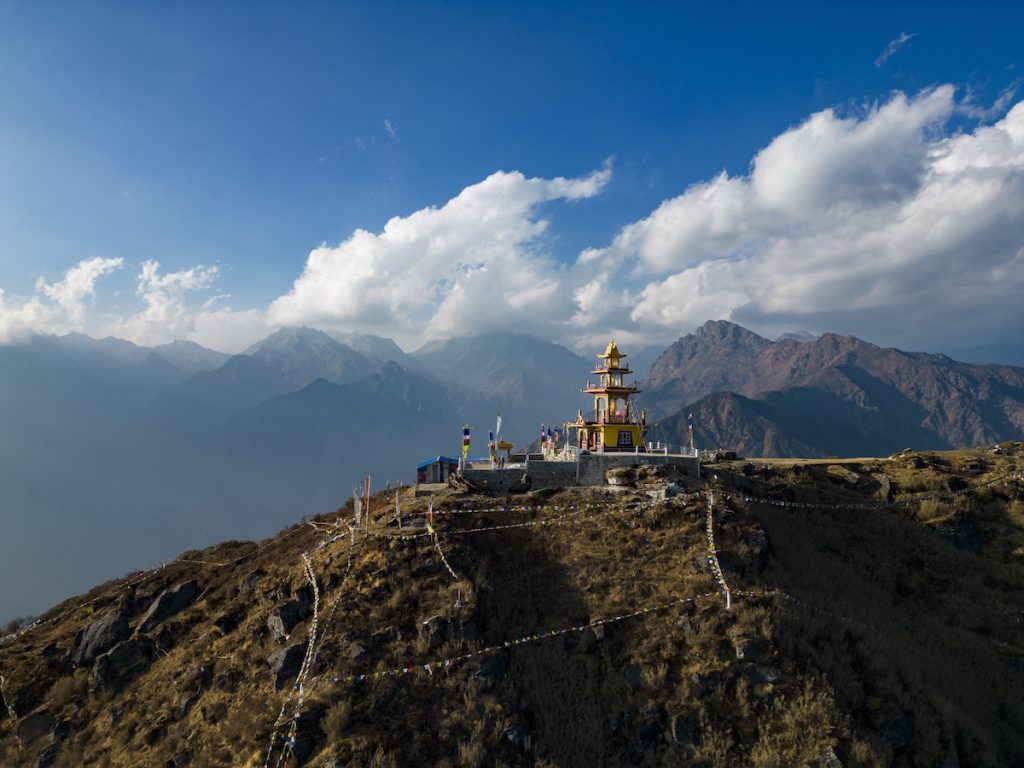
A typical route can be summarized as: Kathmandu → Melamchi → Tarkeghyang → Ama Yangri trail → Ama Yangri summit
Travelers should check current road conditions before departure, as mountain roads can be affected by weather, particularly during the monsoon and winter seasons.
Ama Yangri Trek Route and Experience
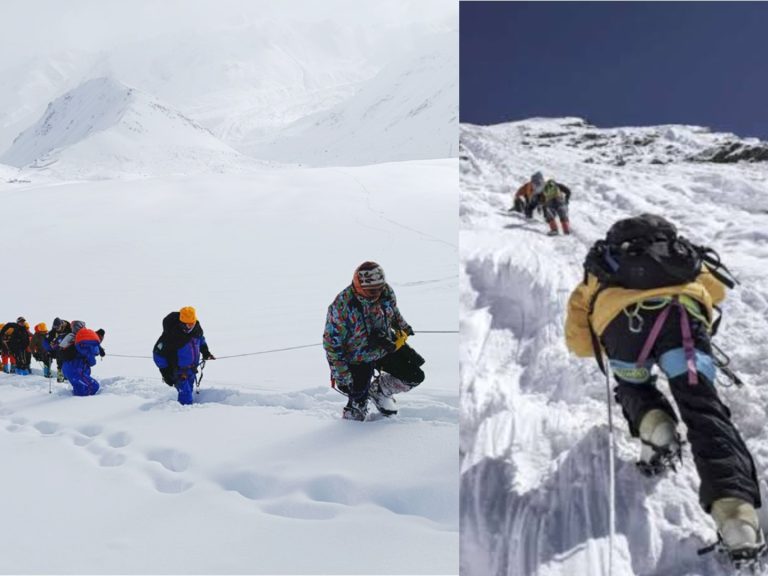
The trekking section takes travelers through forested trails, mountain landscapes, and local settlements before reaching the higher slopes of Ama Yangri. The trail gradually becomes steeper as it approaches the summit. The final ascent can be physically demanding because of the sustained uphill climb and increasing altitude. The journey is not only about reaching the summit. The changing landscape from forests and villages to open mountain terrain forms an important part of the experience. Trekkers should begin the summit hike early, particularly if they want to enjoy better visibility and spend sufficient time at the top before returning.
What Can You See from the Summit?
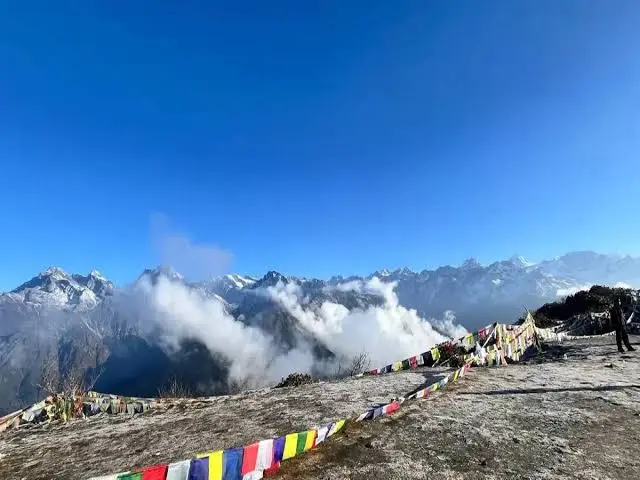
At 3,771 meters, Ama Yangri provides an elevated viewpoint over the surrounding Himalayan landscape. On clear days, trekkers can see mountain ranges including Langtang, Jugal and Ganesh Himal, along with surrounding hills, valleys and mountain settlements. The summit is particularly appealing to photographers because it combines Himalayan peaks, colorful prayer flags, Buddhist structures and changing mountain light. Early morning and late afternoon can offer especially atmospheric views, although visibility ultimately depends on weather conditions.
Suggested 2–3 Day Itinerary
Day 1: Kathmandu to Tarkeghyang
Start early from Kathmandu and travel toward Melamchi and the Helambu region. Continue to Tarkeghyang by road. After reaching the village, visitors can explore the surrounding area, experience local culture, and prepare for the following day’s trek.
Overnight: Tarkeghyang.
Day 2: Tarkeghyang to Ama Yangri Summit
Begin the trek early in the morning and follow the uphill trail through forested terrain toward Ama Yangri. Continue climbing toward the 3,771-meter summit, where visitors can explore the sacred site and enjoy the surrounding mountain views. Depending on the route and transportation arrangements, trekkers can return toward Tarkeghyang after visiting the summit.
Day 3: Return to Kathmandu
After breakfast, begin the return journey by road toward Kathmandu. The itinerary can be shortened or modified depending on road conditions, weather, fitness level, and the chosen trekking route.
Best Time to Visit Ama Yangri
The most favorable seasons for visiting Ama Yangri are generally spring and autumn. March to May is suitable for trekking, with relatively favorable weather and blooming rhododendrons in the surrounding forests. September to November is another excellent period, particularly for travelers hoping to enjoy clearer Himalayan views after the monsoon season. December to February can bring very cold conditions and possible snowfall at higher elevations. June to August is the monsoon period, when rainfall can make trails slippery, reduce visibility, and affect road travel. Travelers should check the latest weather, road, and trail conditions before starting their journey regardless of the season.
How Difficult Is the Ama Yangri Trek?
Ama Yangri is a short but physically demanding high-altitude trek. The relatively short duration does not mean the trek is effortless. The trail includes steep uphill sections, and the summit’s elevation of 3,771 meters means travelers need to be aware of altitude-related problems. A reasonable level of physical fitness is recommended. During the trek, travelers should:
- Walk at a steady pace rather than rushing.
- Drink enough water and take regular breaks.
- Allow the body time to adjust to the increasing altitude.
- Pay attention to symptoms such as severe headache, dizziness, nausea, or unusual fatigue.
- Descend if serious altitude-related symptoms develop.
Travelers with little mountain experience may find it useful to hire a local guide.
Accommodation and Food
Basic accommodation is available in Tarkeghyang and other settlements along the route. Local teahouses and lodges generally provide simple rooms and meals. Travelers can expect basic facilities rather than the extensive amenities available in Kathmandu or larger trekking destinations. Staying in local lodges and eating locally prepared food also allows visitors to directly experience the hospitality and lifestyle of Helambu communities. During peak trekking periods and weekends, travelers should consider arranging accommodation in advance.
What to Pack for Ama Yangri
Although the trek can be completed within a few days, the high altitude and changing mountain weather require proper preparation. Essential items include:
- Comfortable and sturdy trekking shoes
- Warm, layered clothing
- Waterproof jacket
- Gloves and warm hat
- Sunglasses and sunscreen
- Reusable water bottle
- Energy snacks
- Personal medication
- Basic first-aid supplies
- Headlamp
- Power bank
- Trekking poles, if preferred
Travelers should pack according to the season and avoid carrying unnecessary weight.
Permits and Entry Requirements
Before traveling, visitors should confirm the latest permit and entry requirements applicable to their chosen route. Ama Yangri is associated with the Langtang region, and trekking routes in and around the area may have specific entry or permit requirements. Regulations can change, so travelers should verify the current requirements with the relevant authorities, tourism offices or authorized trekking operators before departure. Carrying valid identification and keeping copies of important travel documents is also advisable.
Safety Tips for Travelers
The mountain environment requires more preparation than a typical day hike. Travelers should check the weather forecast and road conditions before leaving Kathmandu. They should also start the trek early, carry sufficient water, and avoid attempting the summit in poor weather or low visibility. Because the summit is at 3,771 meters, altitude should be taken seriously even though Ama Yangri is a short trek. Travelers should also inform someone about their itinerary and avoid trekking alone if they are unfamiliar with high-altitude conditions.
Responsible Travel in Helambu
Ama Yangri is both a natural landscape and a sacred cultural site, so responsible tourism is essential. Visitors should:
- Avoid leaving waste along the trail.
- Minimize the use of single-use plastics.
- Respect prayer flags, stupas and other religious structures.
- Follow local customs and dress appropriately around religious sites.
- Ask permission before photographing people during religious activities.
- Support local guides, lodges, homestays and other community businesses.
Respectful travel helps protect the cultural identity and natural environment that make Ama Yangri special.
Who Should Visit Ama Yangri?
Ama Yangri is particularly suitable for travelers who want a short Himalayan adventure without a lengthy trekking commitment. It can appeal to:
Short-trip travelers: Those looking for a two- to three-day escape from Kathmandu.
Hikers and trekkers: Those seeking a challenging climb and a high-altitude summit experience.
Nature lovers: Those interested in forests, mountain landscapes and Himalayan scenery.
Photographers: Those looking for mountain panoramas, sunrise and sunset landscapes.
Cultural travelers: Those interested in Hyolmo culture, Buddhist traditions and sacred Himalayan sites.
However, travelers should be physically prepared for the altitude and steep sections of the trail.
Ama Yangri: A Short Journey with a Himalayan Reward
Ama Yangri demonstrates that experiencing Nepal’s Himalayas does not always require a weeks-long trek. From Kathmandu to the hills of Helambu, the journey takes travelers through changing landscapes before reaching a sacred summit at 3,771 meters. Along the way, visitors encounter mountain forests, traditional settlements, Hyolmo culture and Buddhist heritage. For those looking for a destination that combines adventure, nature, culture and spirituality within a short itinerary, Ama Yangri offers an experience that is both accessible and rewarding. For travelers seeking a Himalayan escape close to Kathmandu, Ama Yangri is a destination where the trail leads not only to a mountain summit, but also into the cultural and spiritual heart of Helambu.