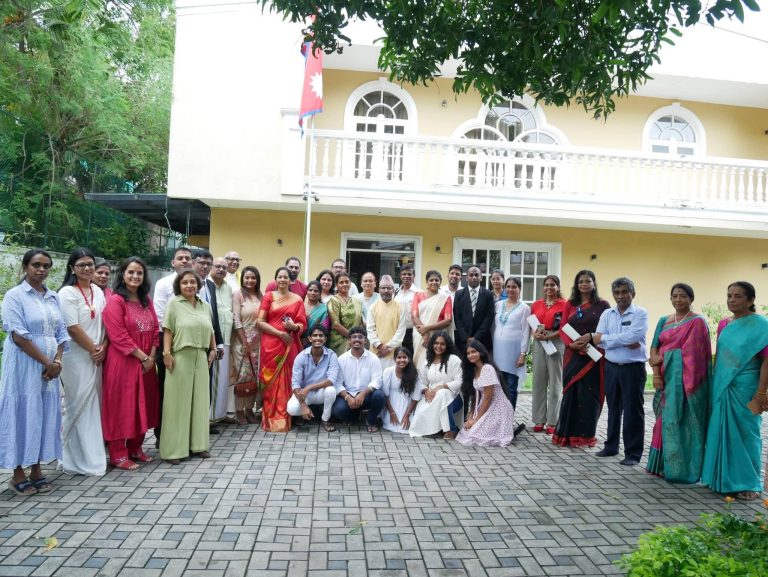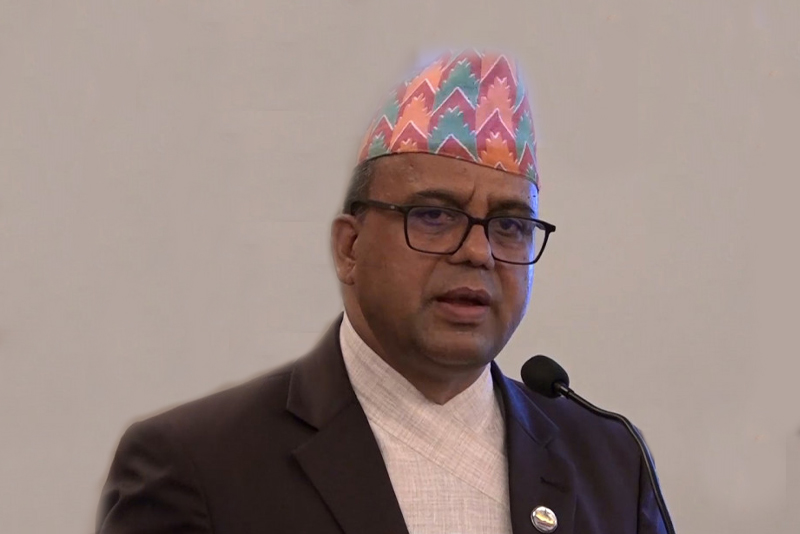
Minister of Culture, Tourism, and Civil Aviation, Badri Prasad Pandey, emphasized that cultural heritage, both tangible and intangible, provides strength, unity, and resilience in the face of growing natural disasters caused by climate change. His remarks came during the inauguration of an international conference titled “The Role of Intangible Cultural Heritage in Building Community Resilience to Disasters and Climate Change,” held in the capital today.
The event was jointly organized by the Department of Culture at Tribhuvan University, UNESCO, and the Asia-Pacific Higher Education Network. In his speech, Minister Pandey highlighted the importance of integrating traditional knowledge with modern science to develop strategies for disaster preparedness, mitigation, and adaptation. He suggested that indigenous knowledge, when combined with satellite technology, could provide more accurate early warnings about floods.
Pandey remarked, “The world is undergoing profound changes, and climate change is no longer a distant threat but a present-day reality. Communities in vulnerable regions are at the forefront of facing recurring disasters like floods, wildfires, droughts, and rising sea levels.”
He further explained that the way society views the world, interacts with nature, and responds to crises will determine its future. In this context, cultural heritage becomes even more valuable in helping communities navigate challenges brought on by disasters and climate change.
The minister cited examples of traditional practices worldwide that illustrate how people have adapted to their environments for centuries. He mentioned rituals and ceremonies tied to agriculture, where communities align crop cycles with natural rhythms. These practices, he stated, are key to survival in times of crisis.
Minister Pandey pointed to the example of Japan, where annual rebuilding of traditional wooden structures after natural disasters reinforces community bonds and their relationship with the environment. He also highlighted the role of traditional music and storytelling in Africa, which help communities cope with trauma and loss during disasters. He emphasized that in Eastern civilizations, storytelling has long been a way of passing down history and knowledge across generations.
Pandey stressed the importance of these cultural practices in mitigating the impacts of climate change, underscoring that they are not just about preservation but about ensuring communities stay resilient in the face of ongoing environmental challenges.