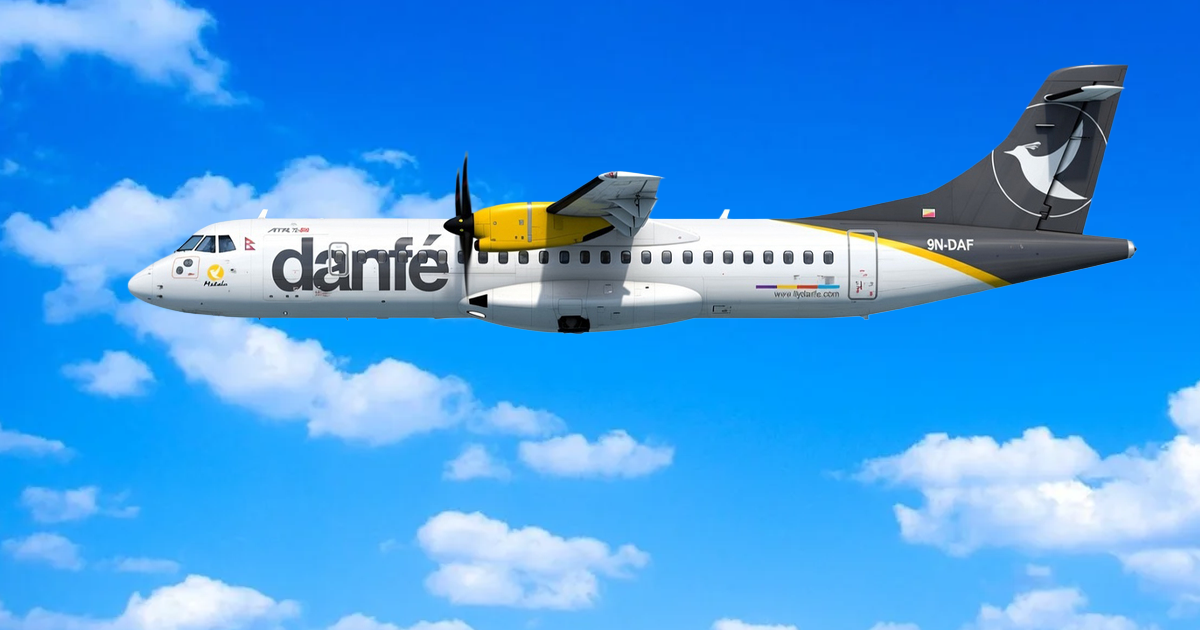
Danfe Airlines is preparing to enter Nepal’s domestic aviation sector, with plans to commence commercial operations from October this year, aligning its launch with the peak travel season of the Dashain festival. The airline’s entry is expected to intensify competition in the country’s growing aviation industry while offering passengers additional travel options and improved service standards.
The company has already taken a significant step toward its operational readiness by acquiring Makalu Air in 2023. This strategic acquisition has allowed Danfe Airlines to strengthen its technical and operational foundation as it transitions into a full-fledged domestic carrier.

Regulatory Approval and Fleet Expansion Plans
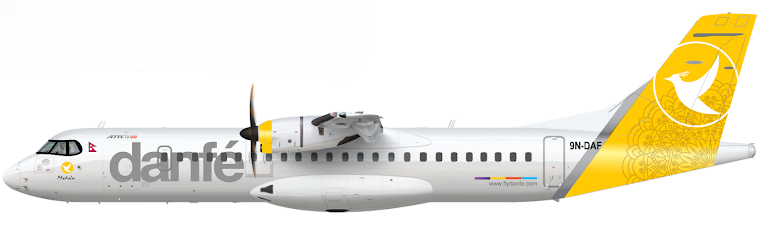
Danfe Airlines has received necessary approvals from the Civil Aviation Authority of Nepal (CAAN), clearing the way for its official entry into scheduled flight operations. The airline is currently in the process of procuring modern aircraft, including ATR 72-600 and Jetstream models, which are widely used in regional aviation for their efficiency and reliability.
According to company officials, Danfe Airlines aims to build a fleet of 10 aircraft within the next three years. This phased expansion strategy is designed to ensure sustainable growth while gradually increasing its route network across the country.
The introduction of newer-generation aircraft is expected to enhance passenger comfort and safety, aligning with global aviation standards. Industry observers note that the use of such aircraft could also improve operational efficiency, particularly on short takeoff and landing (STOL) routes common in Nepal.
Focus on Pokhara as Operational Base
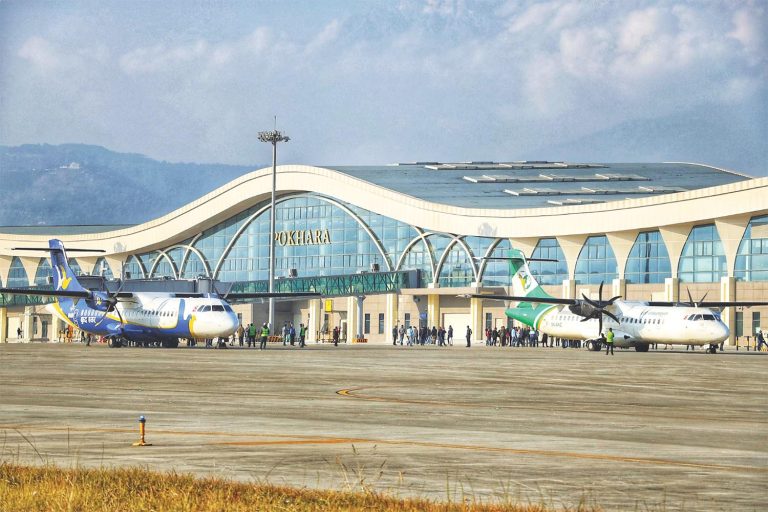
Danfe Airlines has identified Pokhara as its primary operational hub, signaling a strategic shift toward strengthening regional connectivity outside the capital. With Pokhara emerging as a major tourism and aviation center, especially following the opening of its international airport, the airline aims to capitalize on increasing passenger demand in the region.
By operating from Pokhara, Danfe Airlines intends to connect key domestic destinations more efficiently, reducing reliance on Kathmandu as the sole aviation hub. This approach is expected to benefit both tourists and local travelers by offering more direct and convenient flight options.
Competing with Established Carriers
The domestic aviation market in Nepal is currently dominated by established carriers such as Buddha Air, Yeti Airlines, and Shree Airlines. Danfe Airlines’ entry into this competitive landscape is likely to create new dynamics, particularly in terms of pricing, service quality, and route availability.

Company representatives have indicated that Danfe Airlines will focus on delivering enhanced passenger experiences, including improved onboard services, punctual operations, and customer-friendly policies. By differentiating itself through service quality, the airline aims to carve out a niche in a market that continues to see steady growth.
Boost to Tourism and Regional Connectivity
Aviation experts believe that the addition of a new airline could have a positive impact on Nepal’s tourism and economic sectors. Improved air connectivity plays a crucial role in facilitating travel to remote and tourism-dependent regions, many of which rely heavily on air transport due to challenging terrain.
With tourism gradually rebounding and domestic travel demand on the rise, the launch of Danfe Airlines comes at a time when the industry is seeking expansion and diversification. The airline’s focus on regional routes could help ease congestion at major airports while promoting balanced development across different parts of the country.

Outlook for the Aviation Sector
Danfe Airlines’ planned entry reflects growing investor confidence in Nepal’s aviation sector, despite ongoing challenges such as infrastructure limitations and regulatory complexities. If successfully implemented, the airline’s expansion plan could contribute to a more competitive and resilient aviation market.
As the Dashain season approaches, all eyes will be on Danfe Airlines to see how effectively it can translate its ambitious plans into operational success. Its performance in the initial months will likely determine its long-term position in Nepal’s dynamic domestic aviation industry.