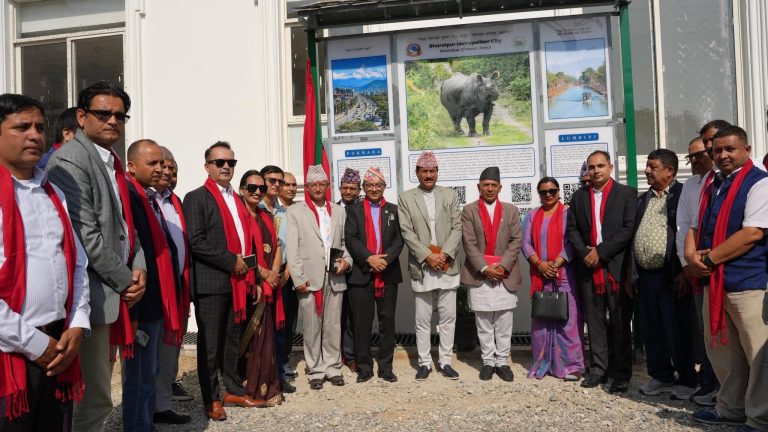
Eastern Nepal has immense potential to emerge as a major tourism hub, but unlocking this potential requires stronger regional cooperation and improved connectivity. Tourism stakeholders have emphasized the urgent need for stronger regional cooperation and improved connectivity to unlock the vast tourism potential of eastern Nepal. The discussion took place during an interaction program organized under the Sixth Eastern Travel Mart, aimed at promoting tourism in eastern Nepal and its bordering regions while attracting international markets.
Strengthening Regional Collaboration
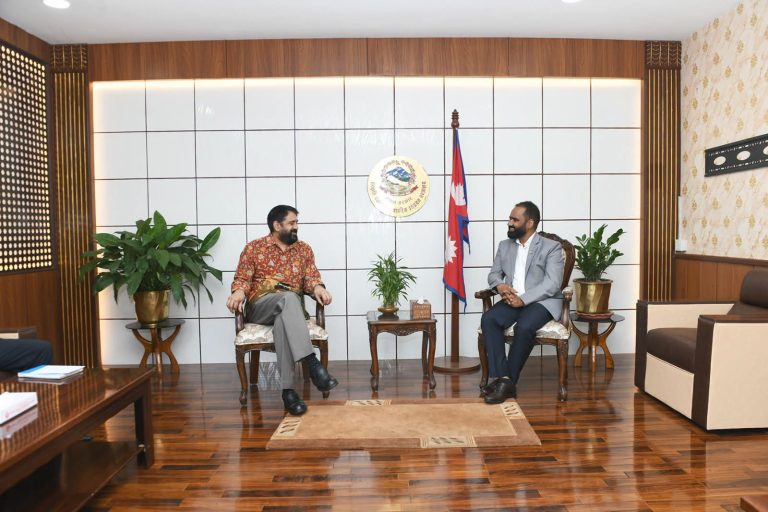
Speaking at the event, Nepal Tourism Board’s Senior Director Hikmat Singh Ayer highlighted the importance of enhancing collaboration among neighboring countries and improving transport networks. He stated that eastern Nepal holds immense potential due to its proximity to large tourism markets such as India, Bhutan, and Bangladesh.
Ayer noted that the region offers a unique blend of nature, culture, and adventure tourism, making it highly attractive to international travelers. However, he stressed that inadequate air and road connectivity, along with limited networking, continue to hinder growth. “There is a tourism market potential exceeding NPR 50 billion in this region, but we need better connectivity and coordinated efforts to tap into it,” he said.

Infrastructure and Policy Reforms Needed
According to Ayer, nearly 1.5 million tourists enter Nepal annually through border points in eastern and southern regions. Despite this significant inflow, the lack of proper infrastructure and streamlined policies has prevented the country from fully capitalizing on these arrivals.
He acknowledged that complex immigration procedures have also impacted tourist inflow, calling for reforms to simplify cross-border travel. “Direct regional connectivity is essential. We have been organizing travel marts in border cities and working closely with the private sector in India, Bangladesh, and Bhutan to promote tourism,” he added.
Ayer further shared that Nepal is actively promoting itself as a wedding destination, targeting high-value tourists from neighboring countries. This initiative is part of a broader strategy to diversify tourism products and attract premium markets.
Expanding Tourism Products in Eastern Nepal
Highlighting ongoing developments, Ayer said new trekking routes are being explored and promoted in eastern Nepal. One such initiative includes the development of a long trekking trail stretching from Chiwabhanjyang to Jhulaghat. He also noted that the private sector has significantly increased investment in tourism infrastructure across the region. “The time has come to treat tourism not as an option but as a necessity for economic growth,” Ayer emphasized, urging stakeholders to focus on promotion and market expansion.
Learning from Regional Best Practices
The interaction also featured insights from regional tourism stakeholders. A Bhutanese tour operator, Kamala, shared Bhutan’s successful tourism model based on the principle of “high value, low volume.” She explained that Bhutan has positioned itself as a premium destination by prioritizing environmental sustainability and cultural preservation.
Similarly, tourism entrepreneur Amrit Sharma from Sikkim highlighted the success of rural tourism in the Indian state. He noted that since 2019, Sikkim has prioritized community-based tourism, with over 1,200 homestays currently in operation. “The rural tourism model originally developed in Nepal’s Sirubari has been successfully replicated and expanded in India,” he said.

Nepal’s Leadership and Way Forward
President of the Nepal Association of Tour and Travel Agents (NATTA), Punya Bhattarai, remarked that Nepal has played a pioneering role in introducing the travel mart concept to regions like Sikkim and West Bengal. He emphasized that while Nepal has led in regional tourism promotion, further improvements in road networks and connectivity are still necessary.
Participants at the program concluded that to make eastern Nepal competitive in the international tourism market, it is essential to prioritize regional cooperation, infrastructure development, simplified immigration systems, and effective networking. They stressed that a coordinated effort between government bodies, private sector stakeholders, and neighboring countries will be crucial in transforming the region into a major tourism hub.
The interaction ultimately underscored a shared vision: leveraging eastern Nepal’s strategic location and diverse offerings to position it as a key destination in South Asia’s tourism landscape.