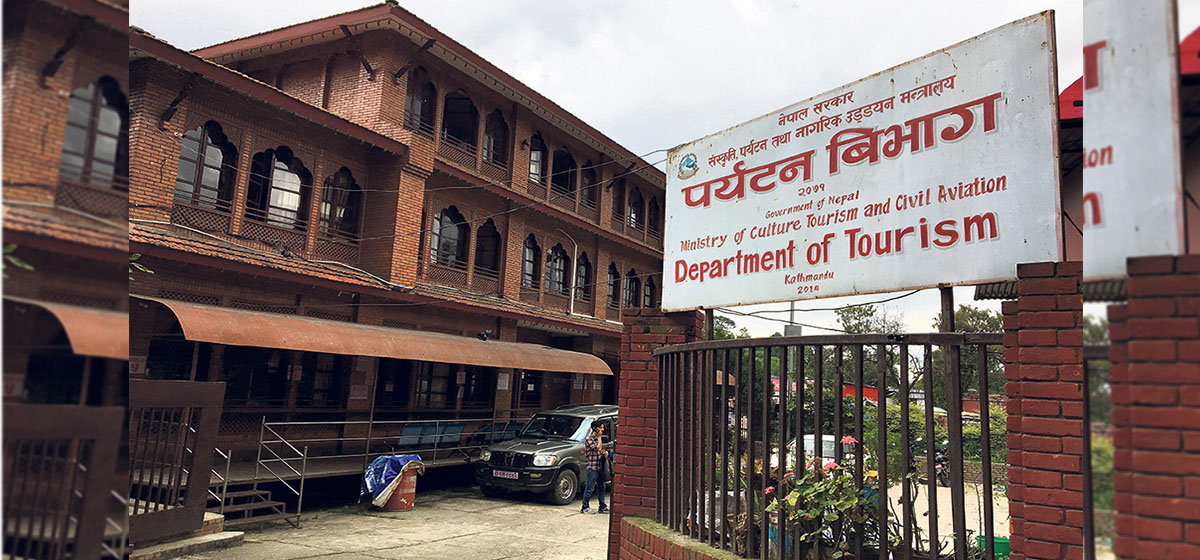
Mountaineering activities in Nepal are set to become more streamlined and safety-focused as the Department of Tourism Nepal has issued a comprehensive set of directives targeting trekking and expedition agencies ahead of the Spring 2026 climbing season. The new provisions, which came into immediate effect with the start of the spring climbing window, are expected to significantly streamline administrative procedures while reinforcing safety standards across Nepal’s Himalayan peaks.
Mandatory Advance Application and Detailed Documentation
Under the revised directives, expedition agencies are now required to submit a detailed application at least two days prior to the intended permit date, in accordance with the provisions outlined in the Mountaineering Regulations 2059 (Sixth Amendment). The application must include comprehensive details of all support staff, making it compulsory to appoint an expedition leader at the time of submission.

Officials have clarified that any additional support staff can only be added after obtaining prior approval from the department. Agencies must provide clear justification, including the number of personnel, specific dates, and full identification details in writing before such changes are authorized.
Clear Guidelines on Climbing Eligibility
The department has also reiterated provisions under Rule 21 of the regulations concerning climbing eligibility for support staff. According to the rule, sardars, mountain guides, and high-altitude workers accompanying an expedition up to the final camp are eligible to attempt the summit, but only after the official members of the expedition team have themselves reached the final camp.
This measure aims to maintain fairness and ensure that expedition priorities remain focused on registered climbers while still allowing support staff a chance to summit under regulated conditions.
Digital System Strengthened with Photo Requirements
A notable operational update includes stricter digital documentation requirements. Agencies must now upload recent photographs of all expedition members and support staff into the official online permit system before permits are issued. These same photographs will also be used in official climbing certificates, ensuring consistency and authenticity in records.
In addition, the department has simplified physical documentation requirements. Hard-copy submissions will now only need to include the original application, proof of royalty and garbage fee payments, original insurance documents, and identification copies such as passports or citizenship certificates. All other supporting documents must be certified by the agency and uploaded digitally to the permit system.
Contracts and Worker Protection Measures
To strengthen accountability and worker protection, the department has made it mandatory for both agencies and support staff to fully complete standardized will and contract forms as prescribed by regulations. This requirement ensures that all parties are aware of their responsibilities, risks, and legal rights before participating in Mountaineering expeditions.
Daily Briefings and Coordination Mechanism
As part of improved coordination, the department will conduct daily joint briefing sessions at its conference hall. These sessions will take place at 3:00 PM on regular working days and at 2:00 PM on Fridays. Attendance is mandatory for the team leader, agency representative, and liaison officer.
Authorities believe that regular briefings will enhance communication, provide updates on weather and safety conditions, and help prevent operational misunderstandings during mountaineering expeditions.
Mandatory Reporting of Rescue Operations
In a bid to improve transparency and emergency response systems, all rescue operations conducted during expeditions must now be formally reported to both the Department of Tourism and the Tourist Police Office at Bhrikutimandap. This provision is expected to strengthen monitoring and ensure accountability in rescue-related activities, which have often been a critical aspect of mountaineering in Nepal.
Refund Process for Garbage Deposits
The department has also addressed pending financial matters related to past expeditions. Agencies that conducted expeditions up to the Winter 2025 season and have not yet received refunds of their garbage deposit are urged to submit the required documents promptly. According to the notice, refunds will be processed within a maximum of seven working days from the date of application, providing relief to agencies awaiting reimbursements in the Mountaineering sector.

Toward Safer and More Organized Expeditions
With these updated directives, Nepal aims to reinforce its position as a global leader in mountaineering tourism while addressing long-standing concerns related to safety, documentation, and environmental responsibility.
Officials believe that the stricter guidelines will not only improve expedition management but also enhance Nepal’s international reputation as a safe and well-regulated destination for climbers in the Mountaineering sector from around the world.