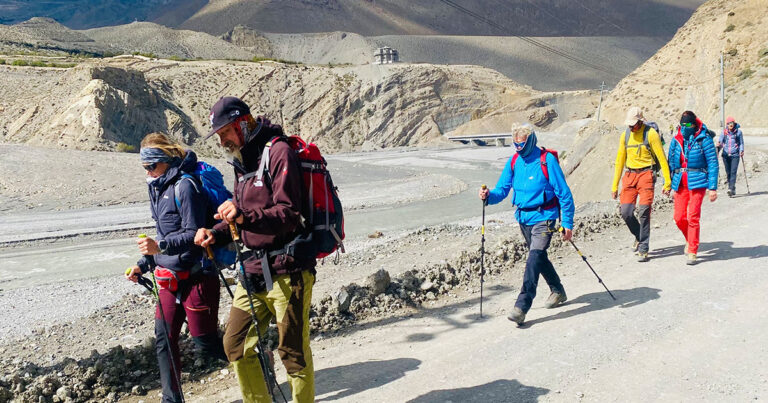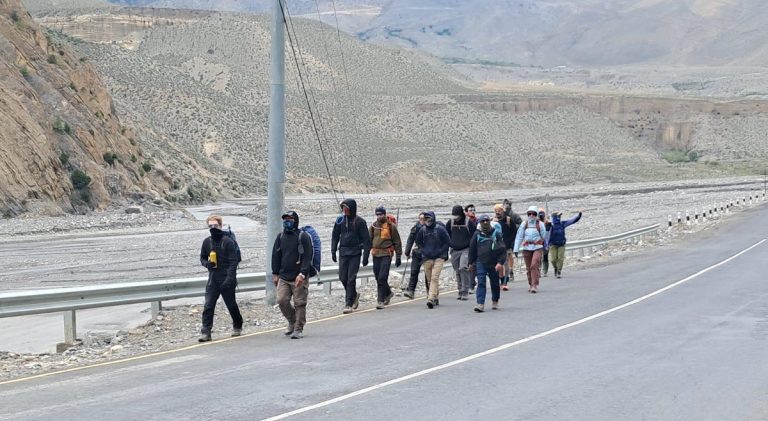
The reopening of the Hilsa border in Humla, which had remained closed during the COVID-19 pandemic, has led to a significant surge in Indian pilgrims traveling to Kailash Mansarovar in China. According to authorities at Simikot Airport, 6,055 pilgrims have crossed through the Hilsa border since March 20, 2025, nearly doubling the number compared to previous years when fewer than 3,000 pilgrims used the route. This resurgence highlights the robust recovery of spiritual tourism in the region and underscores Humla’s growing importance as a gateway for high-altitude pilgrimage journeys.
Demographics of Pilgrims
Data collected from the airports indicates that 2,847 female and 3,107 male Indian pilgrims, along with 151 female and 174 male tourists from other countries, have traveled via Nepalganj and Simikot to reach Hilsa. The figures reflect a diverse range of visitors, demonstrating the route’s appeal not only to Indian devotees but also to international tourists seeking spiritual and cultural experiences.
Mahendra Bahadur Singh, Chief of Simikot Airport, confirmed that the influx of pilgrims has significantly increased since the reopening of the border. “The reopening has marked a strong revival of pilgrimage tourism in the region. We are witnessing unprecedented activity at Simikot Airport, and the local economy is benefiting from this surge,” he said.

Improved Connectivity Boosts Tourism
A key factor contributing to this growth is the construction of a bailey bridge over the Chwakhola River in Kharpunath Rural Municipality-5, which has connected Humla, Nepal’s 77th district, to the national road network. This improved infrastructure has facilitated a rise in Indian-registered vehicles, including motorcycles and four-wheelers, traveling through Simikot via the Jamunaha border in Nepalganj. Local residents have expressed satisfaction at the enhanced connectivity, which has not only eased travel but also stimulated tourism-related economic activities.
The improved road network has made the arduous journey more manageable for pilgrims and transporters alike, allowing for a smoother flow of goods, vehicles, and travelers. Businesses along the route, including hotels, restaurants, and transport services, have reported increased demand, indicating a positive ripple effect on the local economy.
Surge in Airport Traffic
Simikot Airport has experienced unprecedented operational activity in recent months. Over the past three months, the airport recorded 3,992 flights, covering both the Nepalganj-Simikot and Simikot-Hilsa routes. These flights, operated through airplanes and helicopters, have transported a total of 22,056 passengers to and from the region. The airport charges a tax of Rs 300 per passenger, contributing significantly to local revenue streams.
The sharp increase in air traffic has necessitated careful management and coordination among airport staff, airlines, and local authorities to ensure safety and efficiency. Pilgrims have reported improved services, punctual flights, and better overall logistics compared to previous years, enhancing the reputation of Humla as a reliable transit point for spiritual tourism.
Revenue Collection Strengthens Local Economies
To capitalize on the rising number of pilgrims, Simikot and Namkha rural municipalities have deployed dedicated staff to collect revenue. Indian pilgrims are charged Rs 1,000 each, while tourists from other countries pay Rs 1,500. The collected revenue is shared between the municipalities, with Simikot receiving 60% and Namkha 40%. Although exact figures for total revenue from the 6,055 tourists are yet to be finalized, officials confirm that the surge in pilgrim numbers has significantly bolstered local economies.
The revenue collected is being utilized for infrastructure improvements, public services, and tourism development projects, thereby creating a sustainable cycle of growth. Local business owners and service providers have reported increased income, indicating that the benefits of this surge extend beyond government coffers and positively impact the livelihoods of residents.
Humla Emerges as a Key Transit Hub
The growing number of pilgrims highlights the increasing importance of the Hilsa route for Kailash Mansarovar travelers. Humla is emerging as a key transit hub for spiritual tourism in Nepal, offering pilgrims a safe and accessible route to one of the most revered destinations in the world. Authorities are working closely with tourism boards, local municipalities, and transport operators to enhance services, streamline permit processes, and ensure a smooth journey for all travelers.

With improved infrastructure, growing connectivity, and efficient management, Humla is poised to play a central role in Nepal’s pilgrimage tourism sector. The region’s scenic landscapes, high-altitude vistas, and welcoming communities further enrich the spiritual journey, making it a memorable experience for all who traverse this route.
Looking Ahead
Officials anticipate that the numbers of pilgrims will continue to rise as word spreads about the improved facilities and smoother travel options. The government and local authorities are committed to maintaining high standards of safety, convenience, and service for pilgrims while fostering sustainable tourism practices.
The reopening of the Hilsa border has not only revitalized spiritual tourism but also reinforced Humla’s strategic importance in Nepal’s tourism landscape. As the pilgrimage season progresses, authorities are optimistic that continued growth will benefit both local communities and the broader tourism economy, ensuring that Humla becomes a permanent fixture on the map of global pilgrimage destinations.