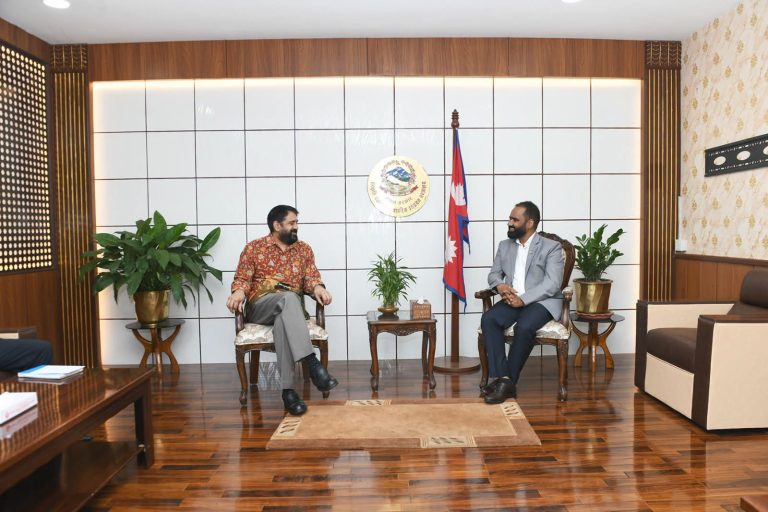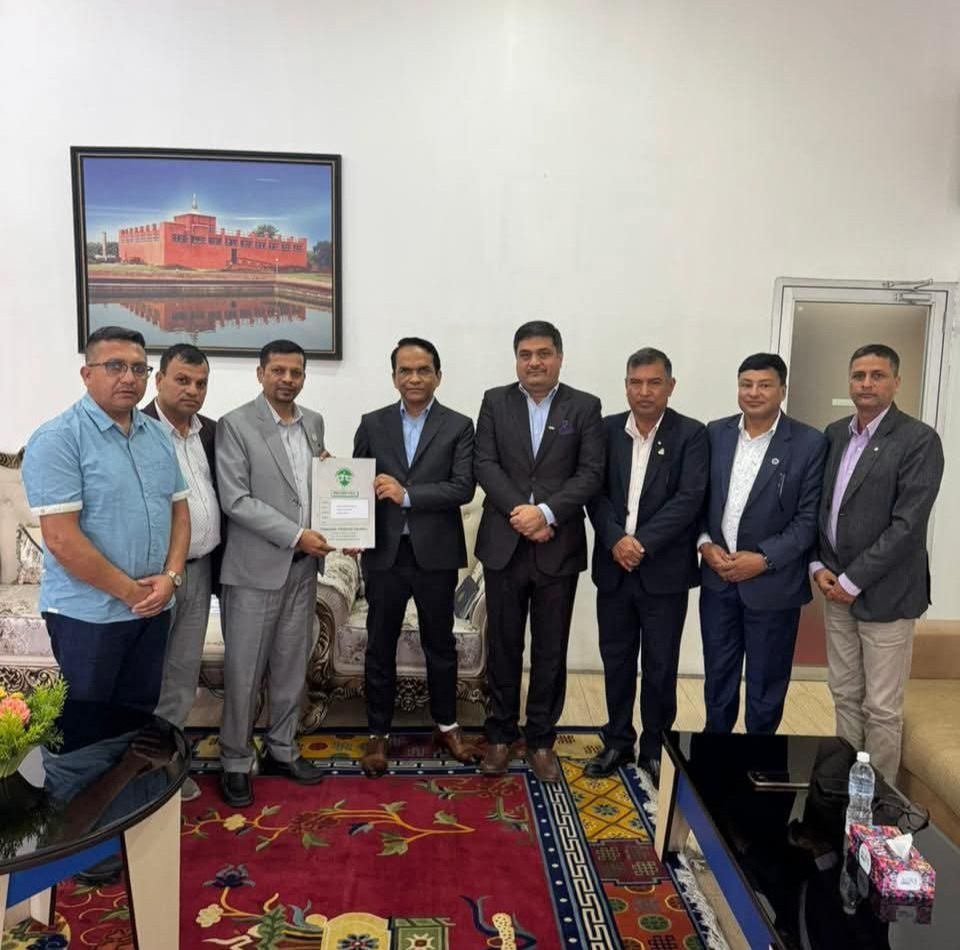
The Pokhara Tourism Council has formally appealed to Nepal Rastra Bank (NRB) Governor Dr. Bishwanath Paudel to take proactive measures for the revival of the tourism sector. A delegation led by Council President Taranath Pahari handed over a memorandum to the Governor in Kathmandu on Monday, calling for urgent intervention to rescue the struggling industry.
The Council highlighted that the tourism sector, considered one of the primary pillars of Nepal’s economy, is in a critical situation, particularly in Pokhara, the nation’s tourism capital. The appeal emphasized the need for financial relief, restructuring of loans, and dedicated support packages to prevent the collapse of thousands of businesses that directly or indirectly depend on tourism.

Impact of Recent Movements
In the memorandum, the Council expressed respect for the determination and positive changes brought by the recent youth-led movements. However, it also voiced deep concern over the vandalism, arson, and looting of both government and private properties carried out by unwanted elements and opportunistic groups during the protests.
“The incident occurred just as the peak tourism season was about to begin, dealing a heavy blow to entrepreneurs and operators,” the statement read. “As a result of the unrest, foreign tourists have started canceling their travel packages and bookings, leading to a significant setback for the industry.”
The Council claimed that Pokhara’s tourism sector, which has already absorbed investments worth more than seven trillion rupees, is now facing near-deserted conditions. Hotels, restaurants, trekking agencies, and adventure tourism companies are reporting severe losses due to the wave of cancellations.
Lessons from Past Crises
Drawing comparisons with the devastating 2015 earthquake and the COVID-19 pandemic, the Council pointed out that the tourism industry has historically received government support in times of crisis. Relief packages, refinancing facilities, and concessional loans had previously been introduced to help revive the sector. The Council argued that the current political and economic uncertainty warrants similar measures to ensure survival and long-term sustainability.
Demand for Compensation
The Council also requested the government to arrange adequate compensation for losses incurred by tourism entrepreneurs during the protests. Many business establishments, particularly in Pokhara, faced property damage, looting, and arson attacks. Without compensation and relief, they warned, small and medium-sized operators might not be able to recover, leading to widespread closures and unemployment.
Decline in Tourist Arrivals and Bookings
According to the Council, booking cancellations have surged following the demonstrations, with many tourists postponing or abandoning their Nepal visits altogether. The upcoming elections scheduled for March 5 (Falgun 21) are also expected to negatively impact arrivals, as political uncertainties often deter international visitors.
The Council fears that tourist footfall is unlikely to recover within the next six months, making it extremely difficult for businesses to cover operational costs, loan repayments, and employee salaries.
Requests for Loan Relief and Financial Restructuring
One of the major demands put forth by the Council is the extension of loan repayment deadlines. Business owners reportedly find it impossible to settle their dues by the current deadlines of Asoj (mid-October), Poush (mid-January), and Chaitra (mid-April). The Council urged that loan repayment periods be extended without imposing additional penalties or late fees.
Furthermore, the Council called for the availability of short-term operational loans to help sustain businesses until tourist arrivals pick up. It proposed restructuring and rescheduling of tourism loans, with repayment periods extended to a minimum of 25 years.
Refinancing and Zero-Interest Loans
The Council urged Nepal Rastra Bank to provide refinancing facilities for the tourism industry, particularly for small and medium enterprises. It recommended the reintroduction of “life-saving loans,” as was done in the past, allowing businesses to borrow up to Rs. 1.5 million at zero interest for a period of at least five years.
Additionally, the Council requested that interest rates on tourism loans be lowered further, with more favorable terms to reduce the financial burden on entrepreneurs. They also pressed for the implementation of the decision to officially recognize tourism as an industry equal to other productive sectors of the economy, which would entitle it to greater government-backed facilities.
A Call for Policy-Level Intervention
The Council stressed that unless immediate measures are taken, the tourism industry in Pokhara and beyond could face irreversible damage. The loss of confidence among foreign visitors, coupled with financial instability, could set back Nepal’s tourism sector by years.

The Council also reminded authorities that Pokhara is not just a local hub but an international tourism destination representing Nepal’s global identity. Safeguarding its tourism industry is therefore a matter of national priority.
Pokhara’s tourism entrepreneurs have sounded an urgent alarm, urging Nepal Rastra Bank and the government to act swiftly to save the sector from collapse. The appeal underscores not only the economic importance of tourism but also its role as a symbol of Nepal’s cultural and natural heritage.
With the peak season already under threat, and uncertainties looming over the months ahead, stakeholders believe that timely intervention in the form of financial restructuring, compensation, and supportive policies is the only way to restore confidence in the industry. The Council’s message is clear: without decisive action, Pokhara’s once-thriving tourism sector risks slipping into prolonged stagnation.