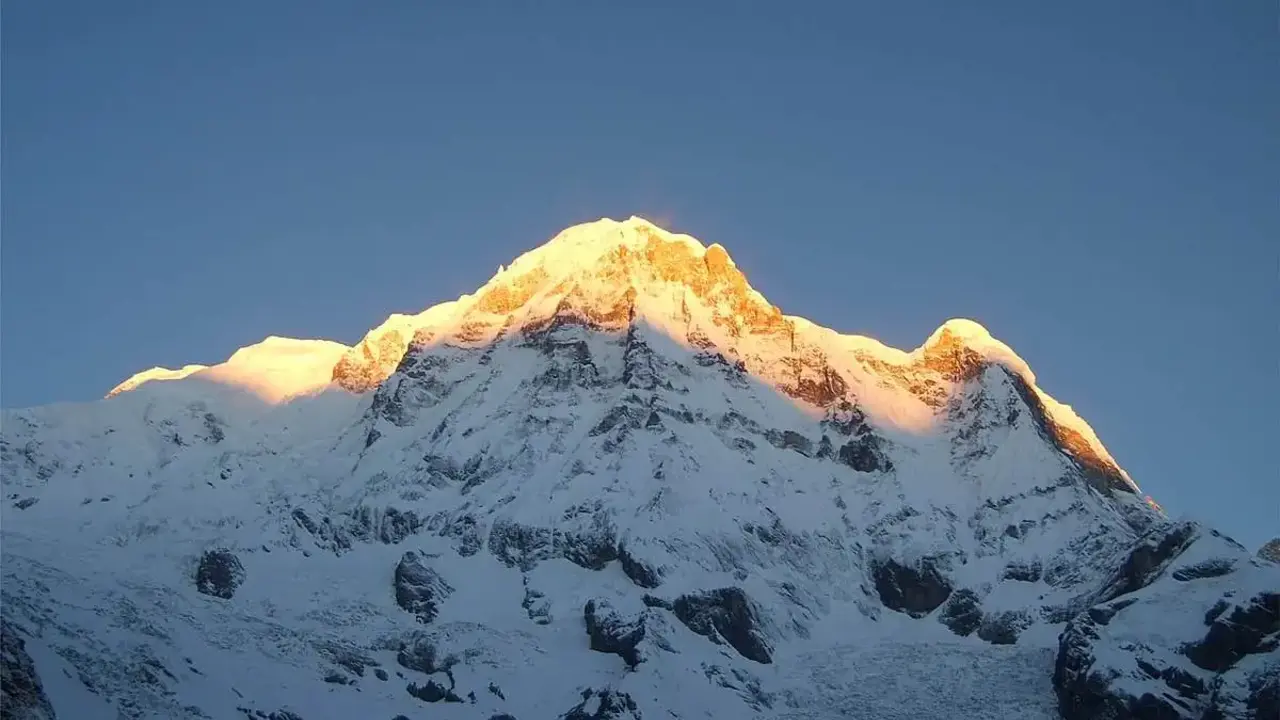
Climbers prepare for a high-risk summit push on Annapurna, Dhaulagiri, and Makalu as favorable weather opens, highlighting Nepal’s busy spring mountaineering season and growing interest in challenging peaks. Expedition teams are preparing for a crucial summit push on three of Nepal’s most challenging Himalayan peaks, Annapurna I (8,091m), Dhaulagiri (8,167m), and Makalu (8,463m), as a favorable weather window opens during the ongoing spring climbing season. Mountaineers and Sherpa guides have positioned themselves at critical high-altitude camps, signaling the final phase of their ascent.
Teams attempting Annapurna I and Dhaulagiri have already reached Camp IV, the final staging point before the summit, while climbers on Makalu are currently stationed at Camp III. According to expedition leaders, summit attempts are expected to begin overnight, taking advantage of stable weather conditions.

Favorable Weather Boosts Summit Plans
Expedition operators have confirmed that conditions are currently ideal for a summit bid. Chhang Dawa Sherpa, Expedition Director at Seven Summit Treks, stated that climbers will make their move during the night to maximize safety and success rates. Weather windows in the high Himalayas are often brief and unpredictable, making precise timing crucial for summit attempts.
Climbers typically depart late at night to reach the summit early in the morning, when winds are lower and visibility is clearer. With teams already positioned at advanced camps, the coming hours are expected to be decisive for this season’s summit success.
Among the Most Technically Demanding Peaks
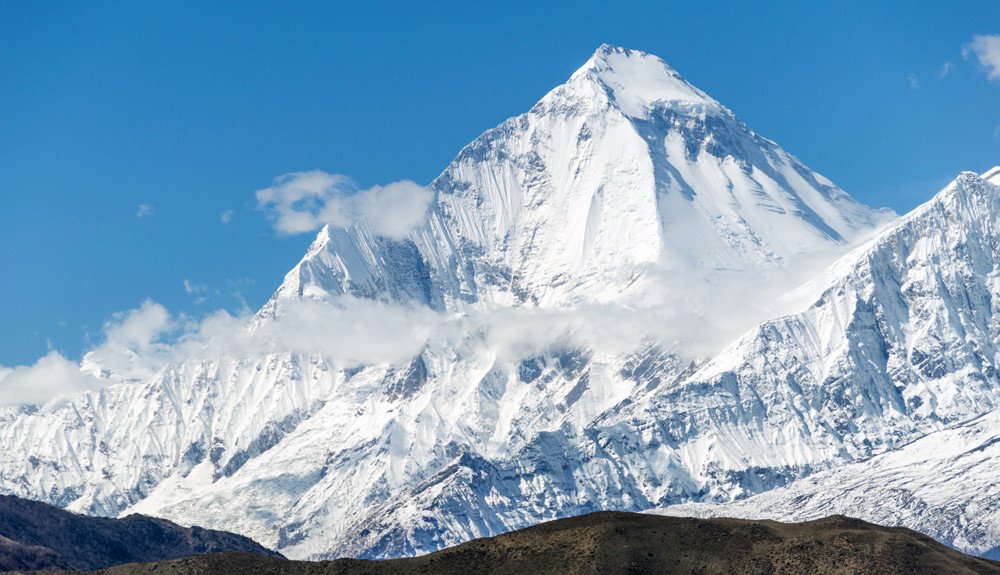
The three peaks targeted for the summit push are widely regarded among the most technically demanding 8,000-meter mountains in the world. Annapurna I is notorious for its avalanche-prone slopes and has historically recorded one of the highest fatality rates among Himalayan peaks. Dhaulagiri presents climbers with long, exposed ridgelines that require careful navigation and endurance at extreme altitude.
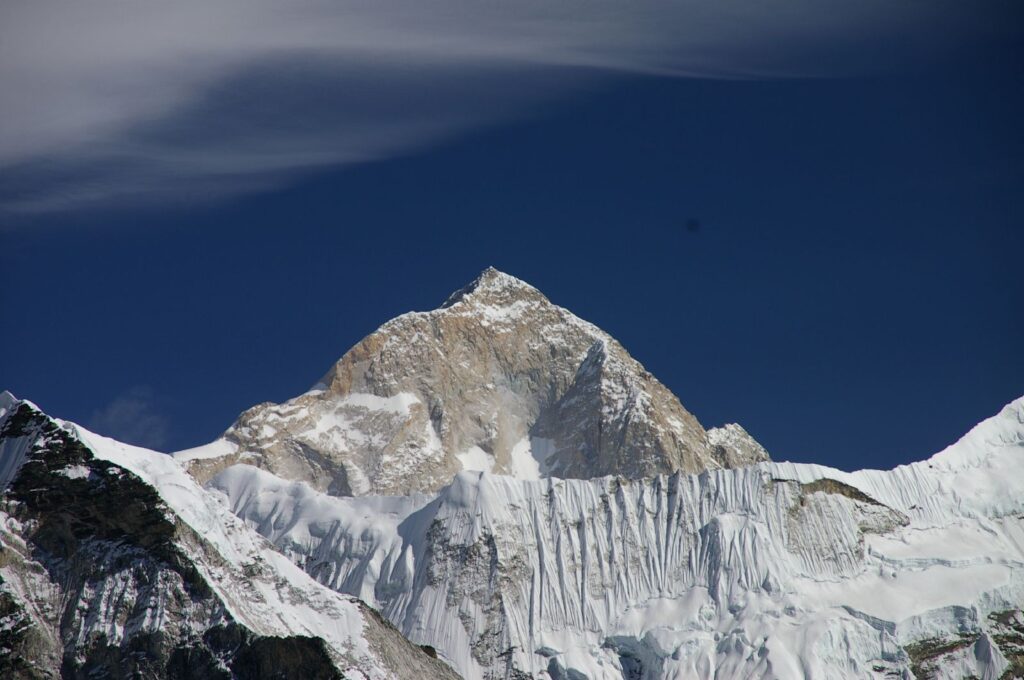
Makalu, the fifth-highest mountain in the world, is known for its steep rock faces and technically challenging routes, demanding a high level of climbing skill and physical resilience. These peaks are typically attempted by experienced mountaineers who have prior high-altitude climbing experience.
Strong Participation in Spring 2026 Season
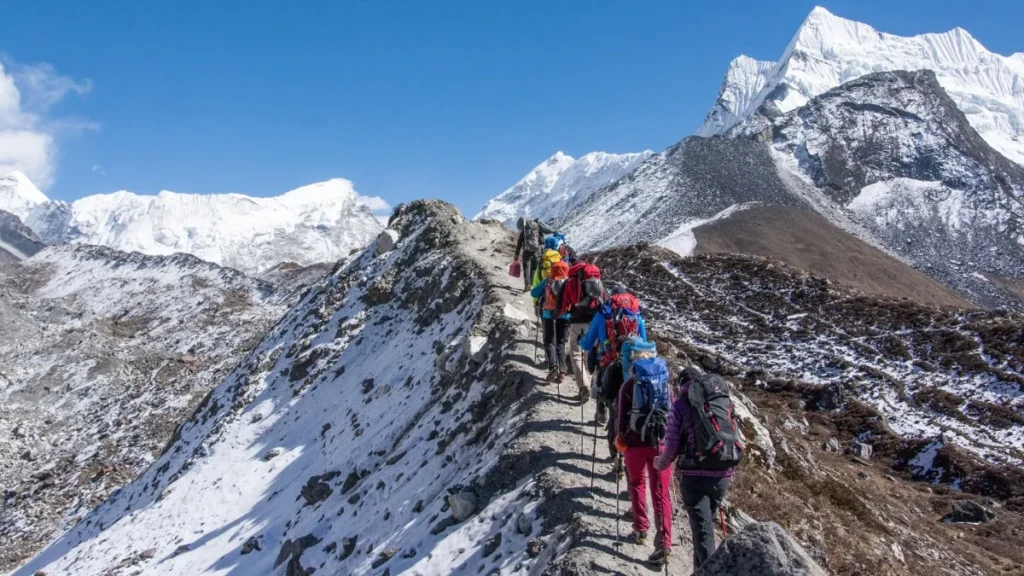
The Spring 2026 climbing season has witnessed strong participation across Nepal’s major peaks. According to data from the Ministry of Culture, Tourism, and Civil Aviation, a total of 27 climbers across four teams have received permits for Annapurna I, generating USD 81,000 in royalty revenue.
Similarly, Dhaulagiri has attracted 28 climbers across three teams, contributing USD 84,000 in royalties. Makalu has seen even higher interest this season, with 54 climbers across eight teams securing permits, generating USD 159,330 in revenue. The figures indicate a growing trend of experienced climbers seeking more technically demanding expeditions beyond the more commercial peaks.
Overall Climbing Activity and Revenue
In total, 85 expedition teams comprising around 700 climbers have obtained permits to climb 25 mountains in Nepal this season. Among them, 523 are male climbers, and 177 are female, reflecting increasing diversity in high-altitude mountaineering.
The government has collected approximately NPR 5.07 billion in royalty fees from these expeditions, highlighting the significant economic contribution of mountaineering tourism to Nepal’s economy.

Everest Remains Top Choice
Despite growing interest in other peaks, Sagarmatha (Mount Everest) continues to dominate as the most popular climbing destination. So far this season, 30 teams comprising 297 climbers, 234 men and 63 women, have secured permits to attempt the world’s highest peak.
As climbers on Annapurna I, Dhaulagiri, and Makalu prepare for their summit push, all eyes are now on the outcome of these high-risk expeditions. Success will depend on weather stability, team coordination, and the climbers’ ability to navigate some of the most challenging terrain in the Himalayas.