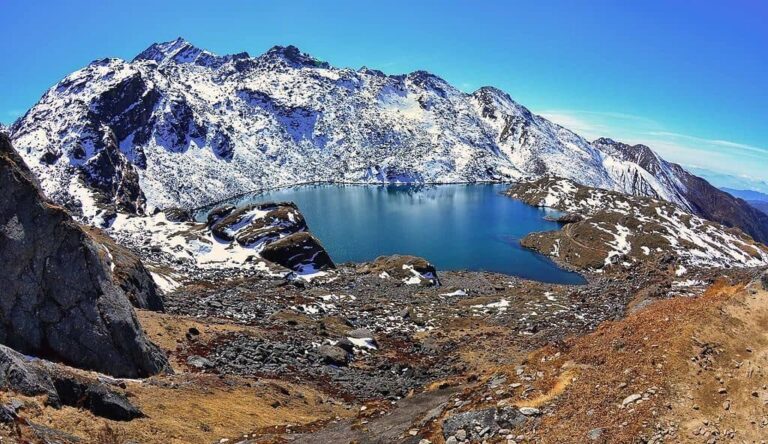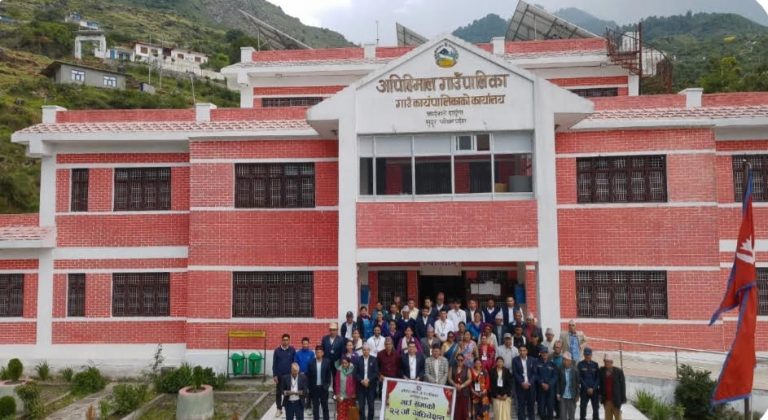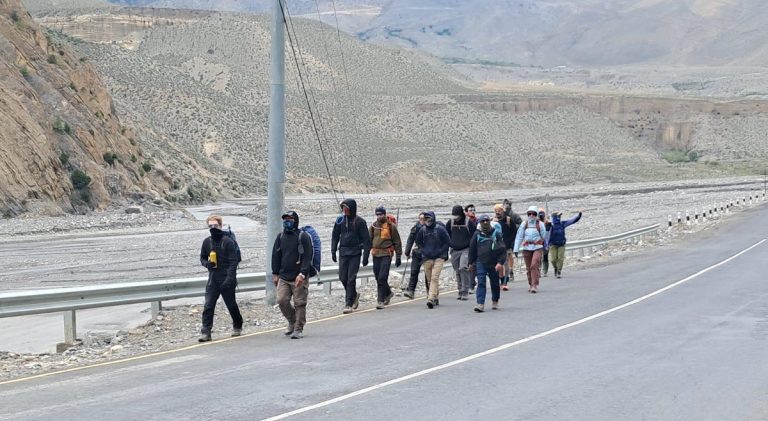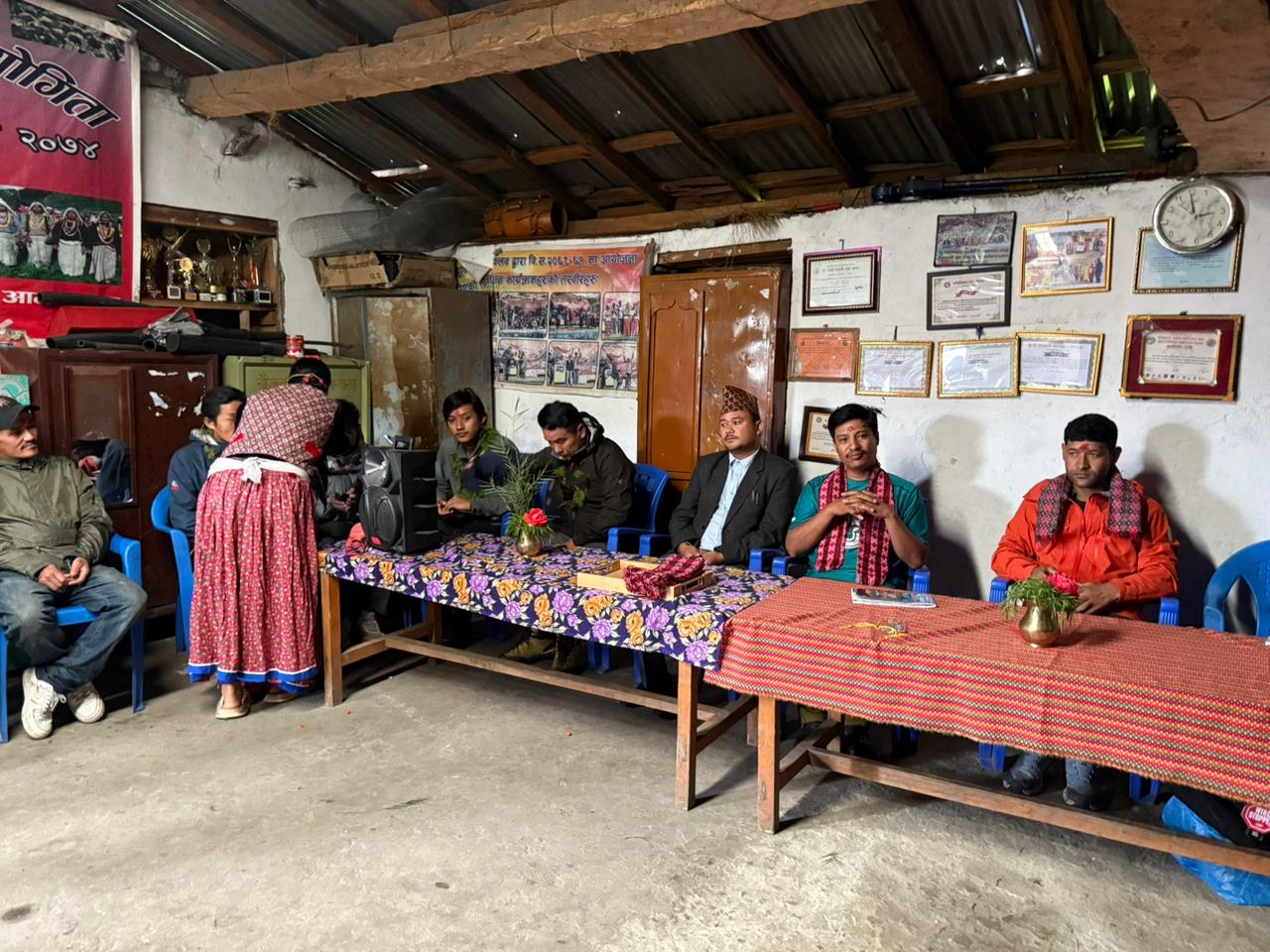
For the first time, a large-scale expedition is set to take place on Api Himal (7,132 meters) and Lhayul Peak (6,395 meters) in the Api Nampa Conservation Area of Sudurpaschim Province. Located in Api Himal Rural Municipality, Darchula district, Api Himal stands as the highest mountain in the province. Despite its immense potential to attract thousands of climbers and adventure seekers, the peak has long remained in the shadows due to limited promotion, inadequate infrastructure, and the absence of well-established climbing routes.
Government’s Fee Waiver to Boost Mountaineering
In a significant move to promote tourism and mountaineering, the federal government recently announced that 97 peaks in Sudurpaschim and Karnali provinces will be open for climbing with zero permit fees for the next two years. This initiative aims to draw domestic and international climbers to underexplored Himalayan regions, creating fresh opportunities for local tourism and the economy.
Sustainable Tourism Project Leading the Way
Under the “Sustainable Tourism Project (STP)”, a joint initiative of the Nepal Tourism Board and the United Nations Development Programme (UNDP) Nepal, a special mountaineering training program is being organized. The project is being led by the Nepal Mountaineering Association in collaboration with Api Himal Rural Municipality. As part of this initiative, a “Summer Skills for Professional Mountain Guide Course” has been launched to train a new generation of skilled mountaineering guides.
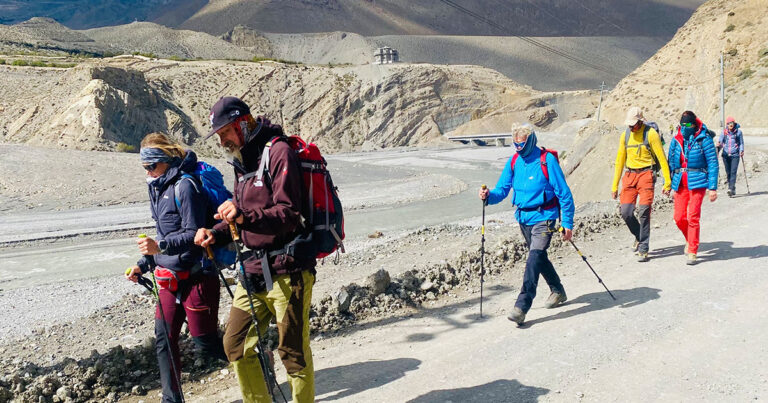
The training began in Kathmandu with a two-week theoretical course, followed by two weeks of practical climbing training in the Api Himal region. Upon completion, trainees will be qualified to work as mountain guides or assistant guides for trekking peaks and other major expeditions.
Minister Bids Farewell to the Climbing Team
Minister for Culture, Tourism, and Civil Aviation, Badri Prasad Pandey, bid farewell to the expedition team in Kathmandu, calling the campaign a historic milestone for Sudurpaschim Province. He emphasized that the mission would strengthen local coordination, enhance cooperation, and contribute significantly to the tourism development of both Sudurpaschim and Karnali regions.
Climbing Plan and Training Goals
As part of the training course, 14 trainees are preparing to forge their own route to climb Lhayul Peak, which lies close to Api Himal. The climbing team consists of 14 trainees and 6 instructors. After successfully summiting Lhayul Peak, a group of seven, including some instructors, will proceed to attempt the ascent of Api Himal.
Following the climbs, 15 local trekking guides will also receive specialized training in mountain navigation and camping techniques, further boosting local capacity in adventure tourism services.
Promoting a ‘Virgin Tourism Destination’
This endeavor is expected to significantly promote Api Himal as a “virgin tourism destination,” drawing attention to an area that has remained largely untouched by mainstream mountaineering. Members from the Api Rural Municipality are also part of the climbing team, ensuring local involvement and ownership of the project.
Tourism Board’s Vision for Local Benefits
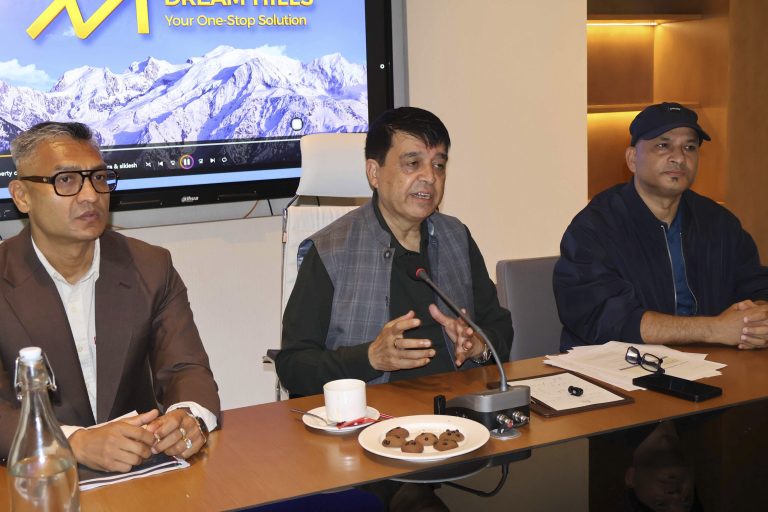
Deepak Raj Joshi, Chief Executive Officer of the Nepal Tourism Board, stated that the program is designed to improve tourism facilities and services, develop skilled human resources, and promote unique destinations while creating employment and livelihood opportunities for local communities.
He expressed optimism, saying, “We believe this initiative will not only promote climbing in Api Himal, which has long been overlooked, but will also energize the overall tourism sector in Sudurpaschim. Additionally, it will contribute to sustainable tourism development, expansion of tourism-friendly services in local communities, and improvements in infrastructure.”
A New Chapter for Sudurpaschim’s Tourism
The expedition marks a turning point for the region, potentially paving the way for Api Himal and its surroundings to become recognized globally among mountaineers and adventure travelers. If successful, it could establish the area as a key destination in Nepal’s adventure tourism map, similar to Everest and Annapurna, but with its own unique appeal of untouched natural beauty and cultural richness.
The combined efforts of the government, local authorities, the Nepal Tourism Board, and international partners highlight the strategic importance of investing in unexplored tourism destinations. For Sudurpaschim, this is more than a mountaineering event—it is the beginning of a sustainable tourism movement that could transform the local economy, preserve the environment, and empower the community for years to come.