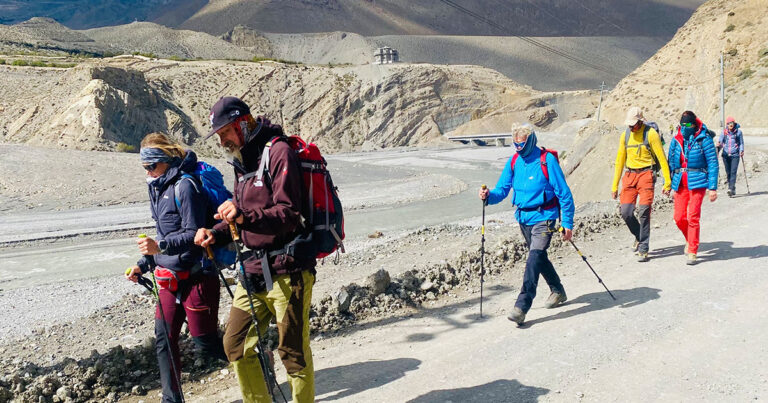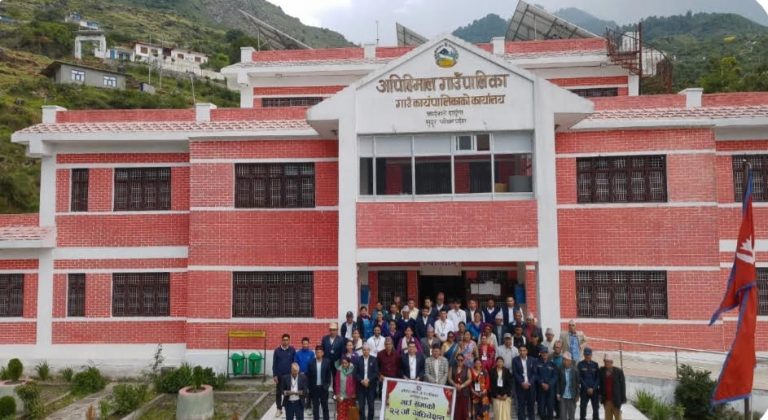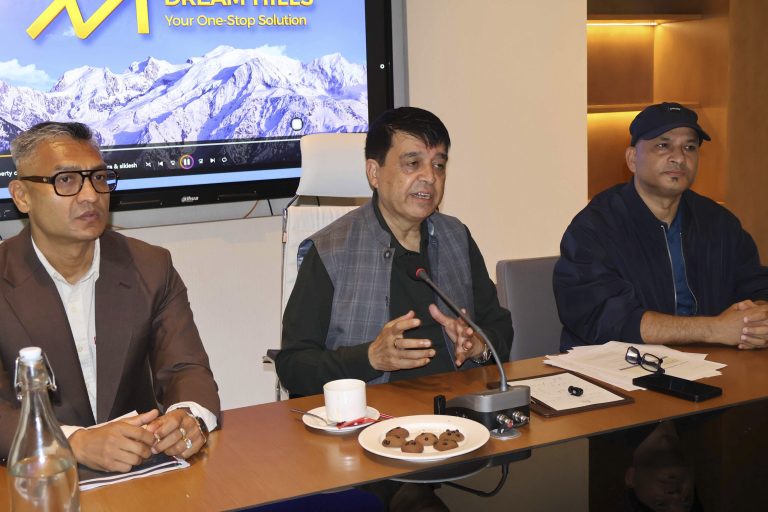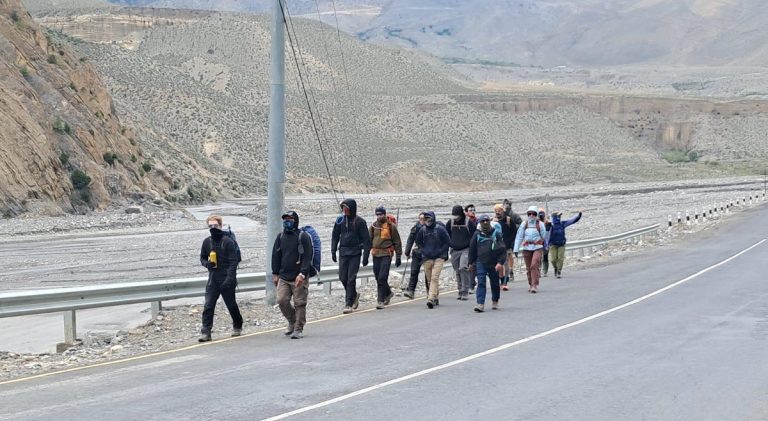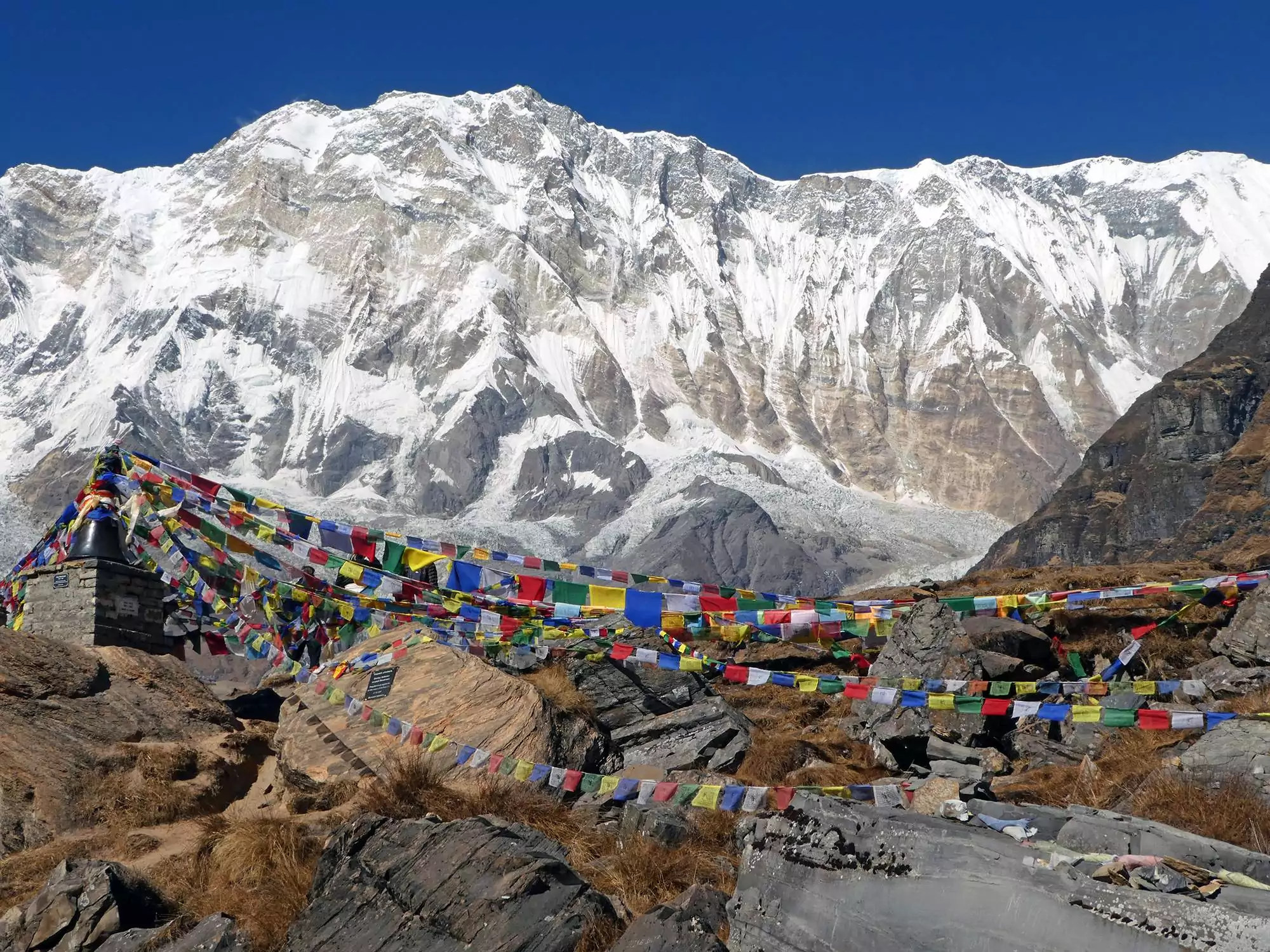
The District Administration Office (DAO) of Kaski has issued a public notice urging both domestic and international tourists to refrain from trekking in the high Himalayan region. The warning comes amid forecasts of heavy rainfall and possible snowfall in several popular trekking routes of Gandaki Province.
According to the administration, the Department of Hydrology and Meteorology has projected moderate to heavy rainfall across the country, including Gandaki Province, from today until Ashwin 20 (October 6). Considering the risk of adverse weather conditions, the administration has strongly advised tourists and trekkers to stay away from dangerous trails during this period.

Assistant Chief District Officer, Shiva Prasad Lamsal, highlighted that the likelihood of snowfall in high-altitude areas poses a serious risk to trekkers’ safety. “There is a high chance of snowfall in the Himalayan trails. Therefore, keeping public safety in mind, we have requested that trekkers do not set out on any trekking routes until the weather stabilizes,” he said.
Popular Trekking Routes Under Risk
Some of Nepal’s most popular trekking destinations fall under the affected region. Among them are the Annapurna Base Camp (ABC) trek, Mardi Himal Base Camp, Machhapuchhre Model Trek, Khopra Ridge (Khopra Danda), Kapuche Glacier Lake Trek, and Khumai Danda. These areas, known for attracting thousands of trekkers annually, are especially vulnerable to snowstorms, avalanches, and landslides during extreme weather.
The DAO has asked trekking agencies, local hoteliers, and guides to comply with the directive to ensure that tourists do not attempt to head towards these routes. In previous years, trekking activity during the Dashain holiday season surged significantly, with domestic and foreign trekkers filling hotels, lodges, and restaurants along the trails. However, this year, the administration’s safety advisory is expected to impact tourism businesses in the region.
Tourism Sector Braces for Impact
The advisory comes at a time when the tourism industry in Kaski and surrounding districts was expecting a seasonal boom. Dashain and Tihar holidays traditionally attract not only international visitors but also large numbers of Nepali trekkers, especially students and families taking advantage of the long vacation.
Hotel and lodge owners along the trekking routes are already concerned about reduced bookings following the administration’s announcement. Seasonal trekking provides vital income for many local communities, particularly in the Annapurna Conservation Area, one of Nepal’s most renowned tourism zones. A decline in visitor numbers during this peak season could have direct economic consequences for small businesses.
However, local authorities have emphasized that safeguarding human lives must take priority over economic concerns. “The weather forecast suggests potential hazards such as heavy rainfall, snowfall, landslides, and even flooding in lower regions. It is crucial that we prevent accidents before they happen,” stated Assistant CDO Lamsal.
Previous Incidents Highlight the Risk
Nepal’s trekking routes, while breathtaking, are also notoriously unpredictable when it comes to weather. Past tragedies have underscored the dangers of ignoring weather warnings. In 2014, a sudden blizzard and avalanche in the Annapurna region killed dozens of trekkers, guides, and locals. Similarly, landslides triggered by monsoon rains have repeatedly cut off trekking trails, stranding tourists for days.
The administration’s current warning is therefore seen as a precautionary measure to avoid similar disasters. With global climate patterns becoming increasingly erratic, even short bursts of extreme weather can have devastating consequences in high-altitude terrain.
Call for Public Safety and Preparedness
In addition to discouraging trekking, the DAO has also requested residents and travelers in Kaski and Gandaki Province to remain vigilant about other potential disasters. Heavy rains can trigger floods, landslides, and road blockages in hilly and mountainous districts. Local authorities have appealed to the public to immediately contact nearby police units, local representatives, or security forces in case of emergencies.
The administration has also called for close cooperation between tourism operators, local governments, and disaster response teams to minimize risks. Tourists who are already in the region have been asked to remain in safe areas until the weather improves.
Balancing Safety and Tourism
The notice has sparked discussions in the tourism community about balancing safety concerns with economic needs. While the advisory is temporary, its timing during Dashain, the most celebrated holiday season in Nepal, could significantly disrupt trekking-related activities.

Nevertheless, experts believe that ensuring safety will ultimately protect Nepal’s reputation as a trekking destination. “Tourists come to Nepal for adventure, but they also expect responsible safety measures. Prioritizing lives over business is the right step,” said a tourism entrepreneur in Pokhara.
As heavy rains and snowfall loom over Nepal’s Himalayan regions, the District Administration Office of Kaski has taken the cautious step of asking trekkers not to venture into popular routes. Though the advisory may dampen the seasonal tourism boom during Dashain, the move underscores the importance of safety in one of the world’s most challenging trekking landscapes.
Tourism stakeholders, local communities, and travelers alike are urged to stay alert, adhere to safety guidelines, and wait for favorable conditions before resuming trekking adventures in the Annapurna and Mardi Himal regions. The administration’s message is clear: safety comes first, adventure can wait.