The world-renowned trekking destination, the Annapurna Conservation Area (ACA), has witnessed an impressive surge in foreign tourist arrivals over the past 11 months, reaffirming its position as one of the most sought-after trekking regions globally. According to the Annapurna Conservation Area Project (ACAP), a total of 273,646 foreign tourists visited the region from January to November, making 2025 one of the most promising years for Nepal’s trekking tourism sector.
Of the total arrivals, 115,555 trekkers came from countries outside South Asia, while the remaining were visitors from India and other South Asian nations. ACAP Chief Dr. Rabin Kadariya informed that the month-wise influx indicates a sharp seasonal trend, with peak arrivals occurring during favorable spring and autumn trekking months.

Seasonal Trends and Monthly Visitor Flow
Between January and November, tourist arrival patterns reflected the region’s well-established trekking seasons. April recorded the highest footfall, with 44,763 tourists entering the area, making it the busiest month of the year. Conversely, January saw the lowest number, with just 9,359 visitors, largely due to harsh winter conditions that make high-altitude treks challenging.
In the remaining months, tourist arrivals showed a consistent climb, particularly during the transitional periods of March–May and September–November. February welcomed 12,068 trekkers, while the numbers rose dramatically in March, reaching 36,834. Tourist numbers continued to remain healthy in May with 34,716, followed by 26,008 in June, 14,233 in July, and 12,132 in August. Autumn trekking revived the flow with 19,386 in September, 37,076 in October, and 27,071 in November.
Comparing data with previous years, the ACA saw 244,045 foreign tourists in 2024, indicating a notable increase in 2025 despite minor dips in May and September. Dr. Kadariya noted that while winter naturally reduces the inflow of trekkers, the region sees a steady surge beginning every March, a pattern expected to continue ahead.
Diverse Visitor Interests and Travel Routes
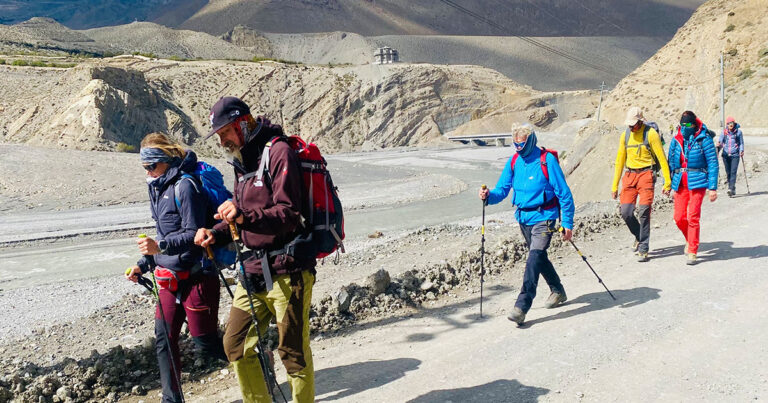
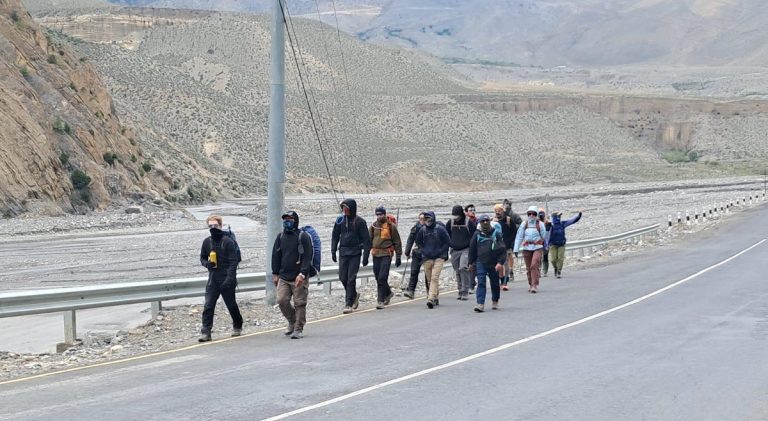
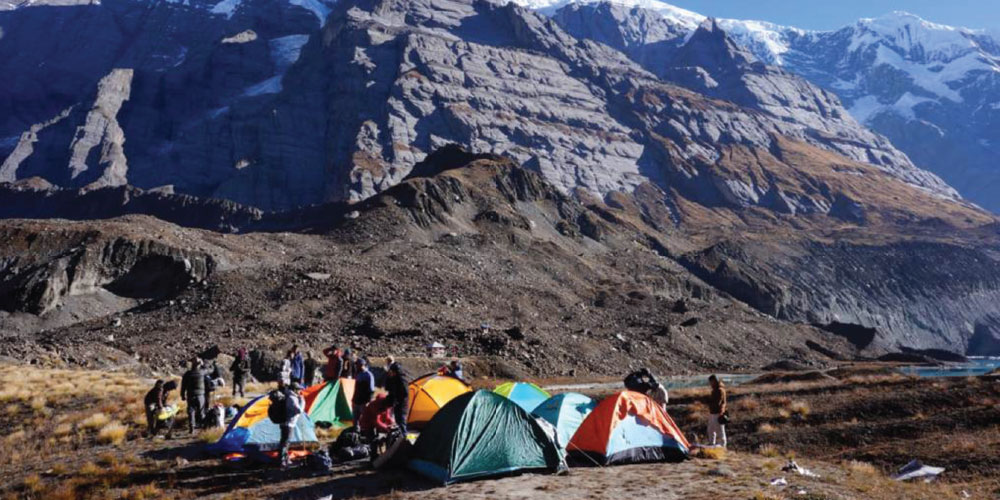
The Annapurna region remains a magnet for trekkers due to its natural grandeur, rich biodiversity, cultural diversity, and adventure opportunities. While Indian tourists primarily visit via road routes and often travel toward destinations such as Muktinath, trekkers from other countries prefer long-distance walking routes, including the Annapurna Circuit Trail and the Annapurna Base Camp (ABC) route.
The ACAP office keeps records only of foreign travelers entering the conservation area. However, internal tourism, particularly road-based travel to Mustang, Muktinath, and Ghorepani, has also seen a significant annual rise.
In 2023, the region welcomed 191,666 foreign tourists, while the number plummeted drastically to 18,836 in 2020 due to the global pandemic. Since then, steady recovery has pushed ACA’s tourism to new heights every year.
Iconic Destinations Driving Growth
The Annapurna Circuit encompasses several iconic attractions, Annapurna Base Camp, Mardi Himal, Ghandruk, Tilicho Lake, Thorong-La Pass, Upper Mustang, Muktinath, Ghorepani, Poonhill, that draw hundreds of thousands of trekkers annually. Spread across 7,600 sq. km, the conservation area includes parts of five districts, Kaski, Lamjung, Manang, Myagdi, and Mustang, covering 87 wards across 15 local bodies.
The region’s pristine Himalayan landscapes, warm local hospitality, well-developed trekking infrastructures, and rich cultural heritage make the Annapurna Circuit one of the world’s top-rated trekking destinations.

Tourist Data (January–November)
| Month | Tourist Arrivals |
|---|---|
| January | 9,359 |
| February | 12,068 |
| March | 36,834 |
| April | 44,763 |
| May | 34,716 |
| June | 26,008 |
| July | 14,233 |
| August | 12,132 |
| September | 19,386 |
| October | 37,076 |
| November | 27,071 |
| Total (11 months) | 273,646 |
The month-wise data indicates clear seasonal peaks in April and October, with over 40,000 and 37,000 arrivals respectively, demonstrating the popularity of spring and autumn trekking periods. Winter months such as January and February show the lowest entries due to extreme cold, while mid-year monsoon months like July and August also reflect a moderate decline. Overall, the data highlights a strong annual performance for ACA, surpassing the previous year’s tourist arrivals.