The story of Mount Everest cannot be told without beginning with the Sherpas. One of the most amazing adventure places in the world, Mount Everest, is located high in the Himalayas, where towering peaks touch the sky, and frigid winds blow across untamed landscapes. Thousands of hikers and climbers visit Nepal each year to take in the splendour of the Himalayas or take on the ultimate challenge of climbing the highest mountain in the world. But behind every successful Everest expedition is a group of remarkable people known as the Sherpas, whose commitment, bravery, and expertise enable these experiences.
Sherpas, who are frequently referred to as the “unsung heroes” of Himalayan expeditions, have had a significant impact on the development of the international mountaineering sector. They are essential to Everest expeditions due to their exceptional endurance, profound knowledge of alpine terrain, and rich cultural heritage. While climbers from all over the world are honoured for reaching the highest peaks, Sherpas’ achievements are sometimes overlooked. But their tale is one of tenacity, legacy, and a deep bond with the mountains they live in.
The Origins of the Sherpa Community
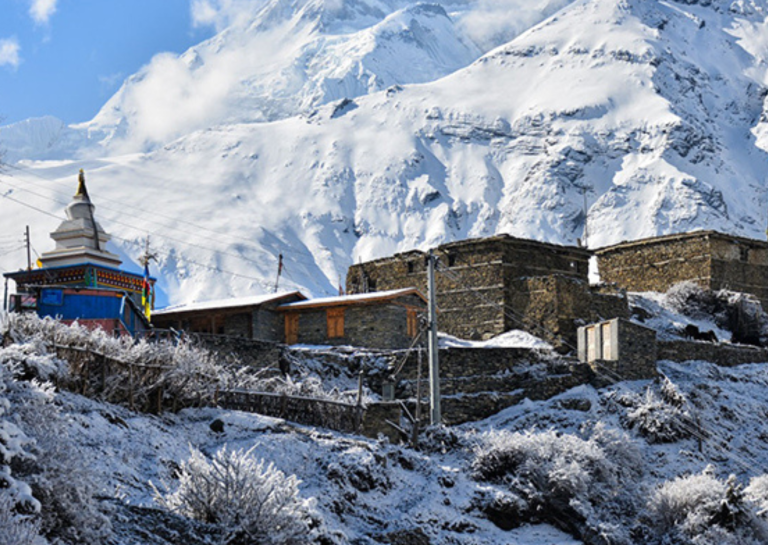
The Solu-Khumbu region in northeastern Nepal, near Mount Everest, is home to the Sherpa people, an ethnic group indigenous to the Himalayan region. About 500 years ago, their forefathers left the Kham region of eastern Tibet. The Tibetan words shar, which means east, and pa, which means people, combine to form the name “Sherpa,” which means “people from the east.”
The Sherpas moved to Nepal’s alpine areas after crossing the steep Himalayan passes, where they eventually acclimated to living at high elevations. They have evolved strong physical endurance and special physiological characteristics over many generations that enable them to perform well in low-oxygen conditions. Later on, these modifications would make them indispensable for high-altitude missions.
Sherpas formerly relied on farming, yak herding, weaving, and trading along the ancient Himalayan routes connecting Nepal and Tibet before the growth of climbing tourism. Their communities expanded around towns like Namche Bazaar, Pangboche, and Thame, which subsequently developed into significant gathering places for hikers and climbers travelling to the Everest region.
Cultural Identity and Spiritual Beliefs
Tibetan Buddhism, especially the Nyingma tradition, has a strong influence on Sherpa culture. Their spiritual beliefs place a strong emphasis on respect for the mountains and harmony with the natural world. For Sherpas, Everest, known locally as Chomolungma, which translates to “Mother Goddess of the World,” is more than just a mountain; it is a holy place.
Sherpas conduct a customary rite called a puja ceremony before the start of any trip. Buddhist monks offer blessings and prayers for climbers’ success and safety during this ritual. Prayer flags flap in the wind as ropes, ice axes, and crampons are positioned in front of an altar. The Sherpa concept that the mountains should be revered rather than conquered is reflected in this ritual.
Sherpa communities are renowned for their close-knit communities and sense of cooperation. Families frequently share chores and provide support for one another while living together across generations. A distinctive aspect of Sherpa culture is hospitality, and tourists who hike through the Everest region often encounter the warmth and generosity of Sherpa homes.
Sherpa communities unite in celebration during festivals such as Mani Rimdu, Dumji, and Losar. The vivid spiritual life of the Himalayas is reflected in these celebrations, which include traditional music, monks performing masked dances, vibrant costumes, and communal feasts.
The Sherpas’ Entry into Mountaineering
Sherpas have lived in the shadow of Everest for centuries, yet mountaineering is a relatively new activity for them. Western explorers started planning expeditions to conquer Everest and other Himalayan peaks around the beginning of the 20th century. Sherpas were chosen to support these expeditions because of their extraordinary endurance at high altitudes and unparalleled terrain expertise.
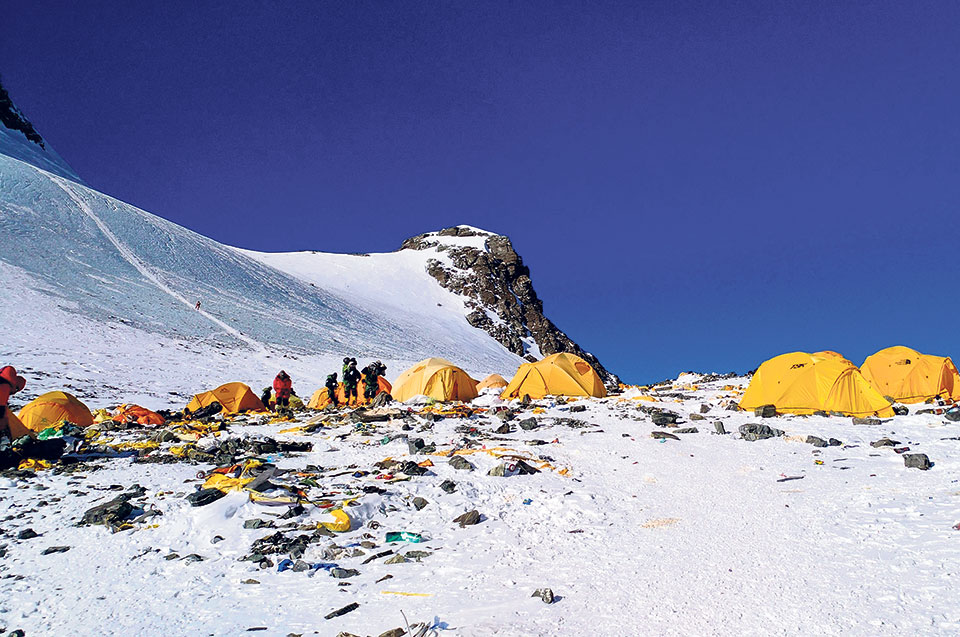
Sherpas first worked as porters, transporting goods and equipment across steep mountain trails. They eventually became essential parts of climbing teams because of their expertise and abilities. Over time, they assumed positions as technical climbers, route planners, and guides.
One of the most historic moments in mountaineering occurred in 1953 when Tenzing Norgay Sherpa successfully reached the summit of Mount Everest alongside Sir Edmund Hillary. This achievement not only marked the first confirmed ascent of Everest but also brought global recognition to the Sherpa community.
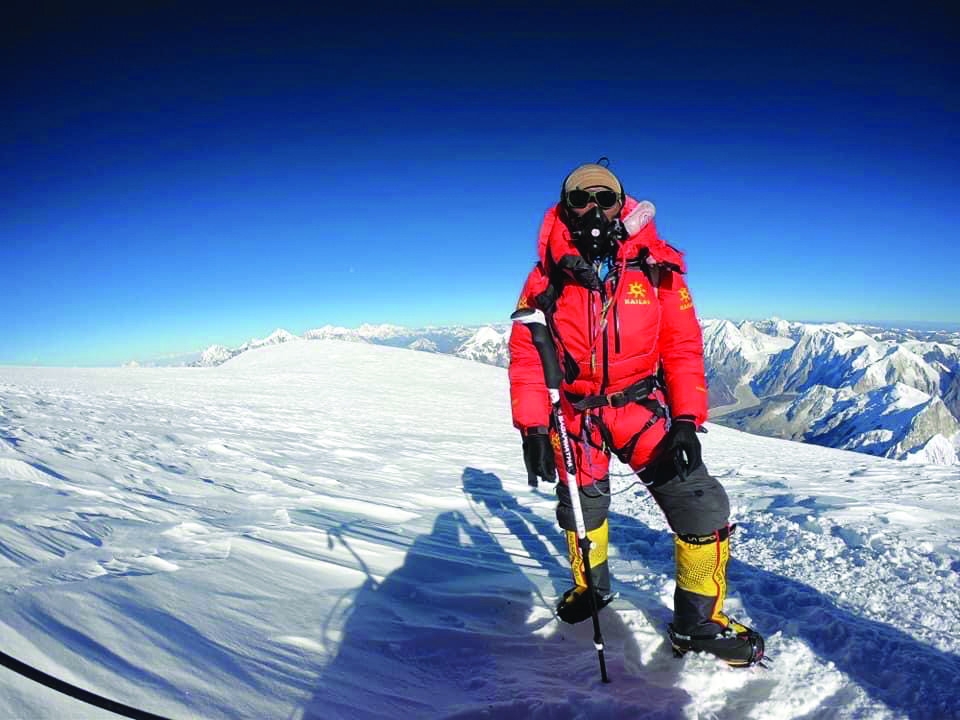
Since then, many Sherpa climbers have continued to push the limits of high-altitude mountaineering. Climbers like Kami Rita Sherpa, who holds the record for the most Everest summits, demonstrate the incredible skill and determination of the Sherpa people.
The Backbone of Everest Expeditions
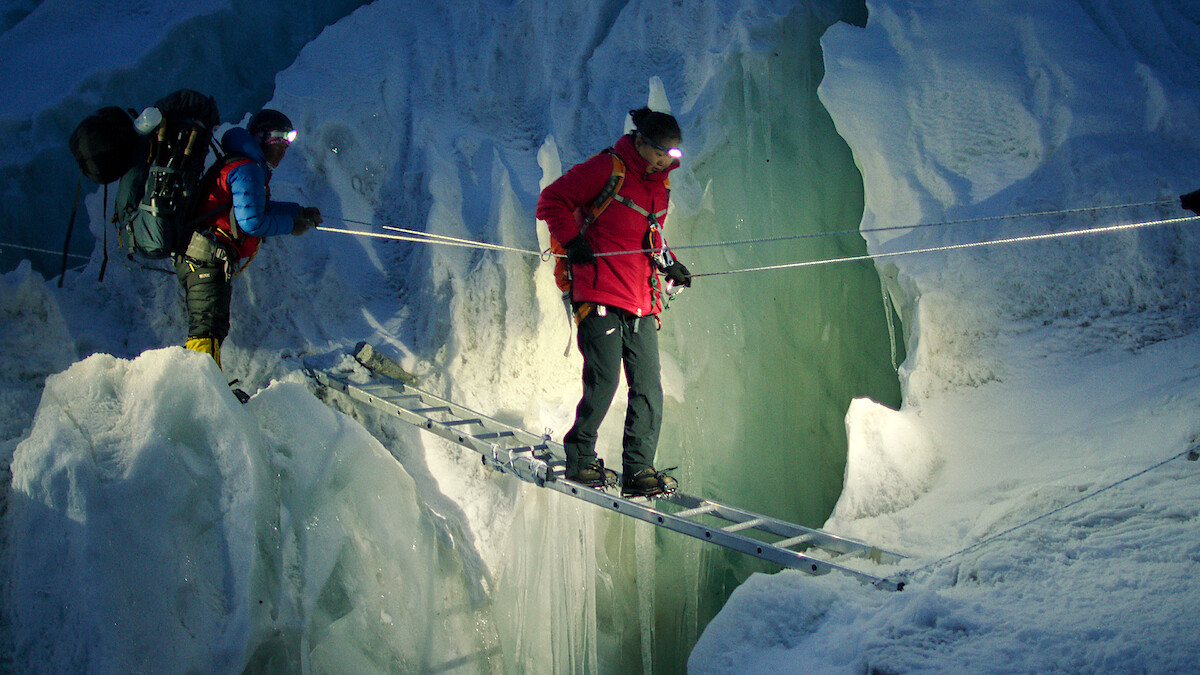
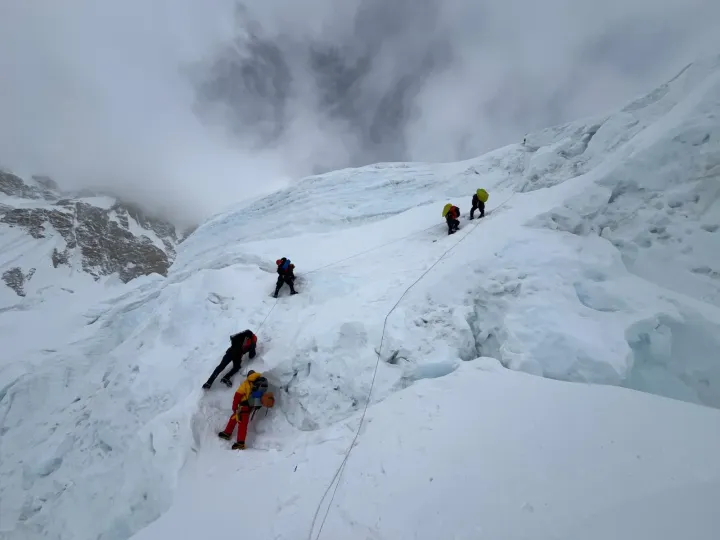
Sherpas’ experience is crucial to modern Everest treks. They are responsible for much more than just leading hikers on mountain paths. Sherpas assist climbers in navigating hazardous locations like the Khumbu Icefall, carry heavy loads of equipment, set up base camps, high-altitude camps, and mend ropes along perilous climbing routes.
Additionally, they are essential in guaranteeing climbers’ safety. When an emergency arises, Sherpas are frequently the first to react, saving climbers who have injuries, altitude sickness, or excessive fatigue. Their in-depth knowledge of snow conditions, weather patterns, and mountain hazards helps lower the risks involved with high-altitude mountaineering.
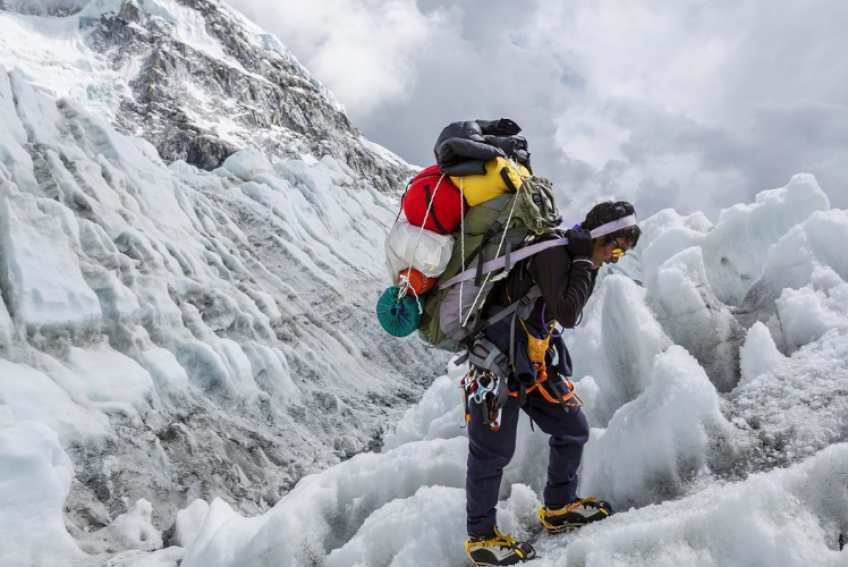
In many cases, Sherpas ascend Everest multiple times in a single season while assisting different expedition groups. Their dedication ensures that climbers from around the world have the opportunity to pursue their dreams of standing atop the world’s highest peak.
Misconceptions About Sherpas
Despite their essential contributions, Sherpas are often misunderstood. In many parts of the world, the term “Sherpa” has become synonymous with “porter” or “guide.” However, Sherpa is not a profession; it is the name of an ethnic community with its own language, traditions, and cultural heritage.
Reducing Sherpas to a job title overlooks the depth of their history and identity. They are not merely assistants to climbers but skilled mountaineers and cultural ambassadors who represent the Himalayan way of life. Recognizing Sherpas as a unique ethnic group rather than simply a profession is an important step toward appreciating their true role in mountaineering and Himalayan culture.
Challenges and Risks
Although Sherpas are respected for their tenacity and fortitude, their work is frequently exceedingly hazardous. They are exposed to a variety of risks when climbing at high altitudes, such as avalanches, falling ice, extreme weather, and altitude sickness. Sherpas must frequently cross the Khumbu Icefall, one of the riskiest parts of the Everest route, in order to move supplies between camps. Over the years, this portion of the ascent has been the cause of several terrible incidents.
Sherpas confront social and economic difficulties in addition to physical dangers. In comparison to climbers from other countries, many are underpaid, and their contributions are occasionally overlooked in worldwide media coverage. Climate change has introduced further concerns. Melting glaciers, unpredictable weather patterns, and increased tourism are putting pressure on the fragile Himalayan ecosystem that Sherpas depend on for their livelihoods.
Sherpas and Community Tourism
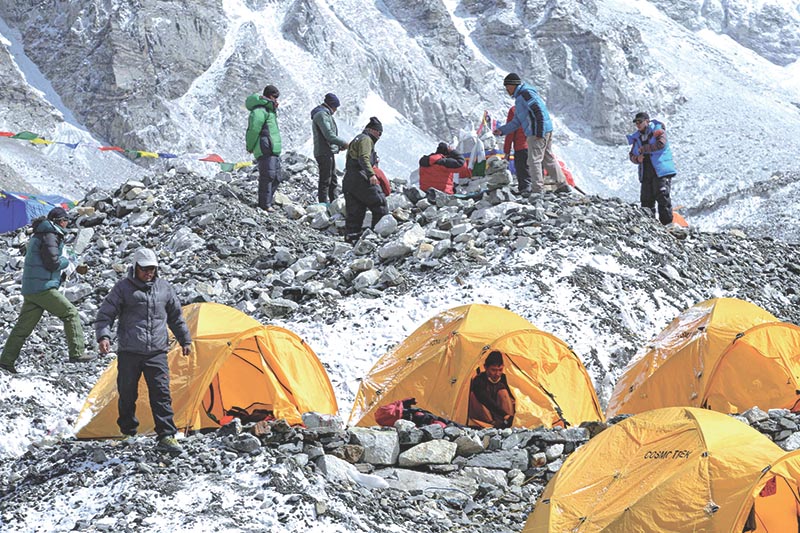
Sherpas have contributed significantly to the growth of community-based tourism in the Everest region in addition to mountaineering. Nowadays, a lot of Sherpa families run lodges, teahouses, and trekking businesses that offer lodging and services to tourists.
Through homestay programs, tourists can stay with local families, providing a more in-depth cultural experience and boosting the local economy. These programs preserve Sherpa customs, safeguard the environment, and advance sustainable tourism. Additionally, Sherpa organisations support responsible tourism in the Himalayas and fight to preserve cultural assets.
A Legacy of Courage and Inspiration
Beyond Nepal’s mountains, Sherpas have a significant impact. Their accomplishments have motivated climbers and explorers all throughout the world, emphasising the value of cooperation, tenacity, and reverence for the natural world.
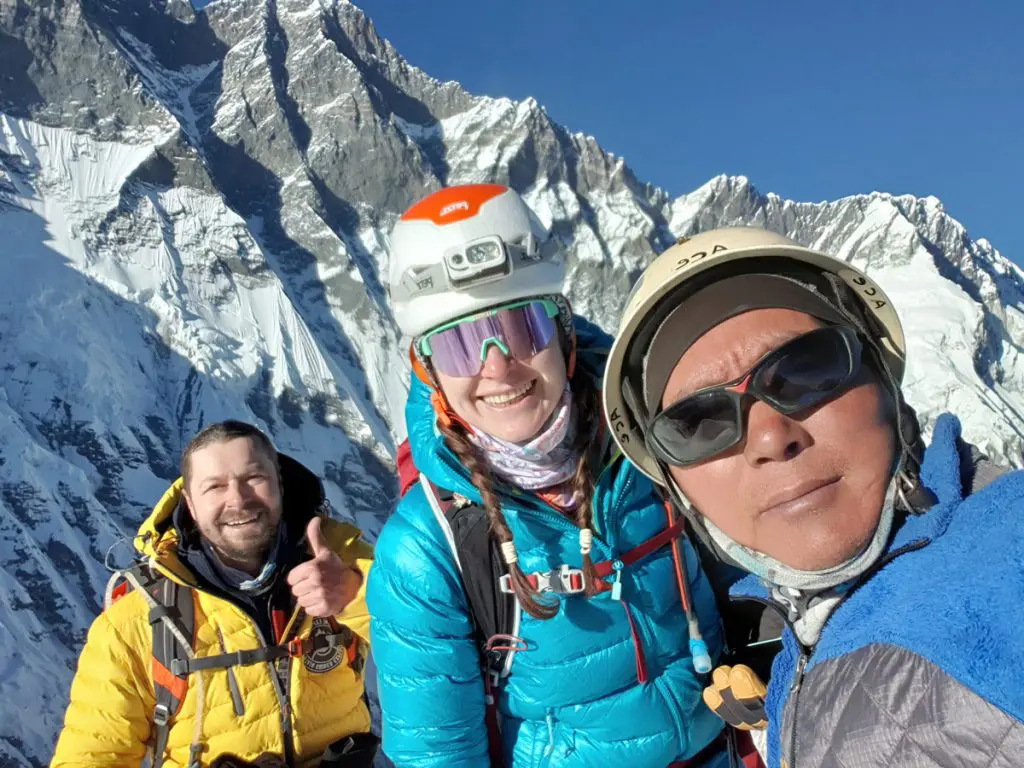
Tenzing Norgay, Pasang Lhamu Sherpa, the first Nepali woman to summit Everest, and numerous other Sherpa climbers have shown incredible bravery and tenacity. Their achievements are potent reminders that human resiliency, not nationality, defines the spirit of discovery. Younger Sherpas are extending their responsibilities as tour guides, business owners, environmentalists, and global representatives of Himalayan culture by fusing traditional wisdom with contemporary education.
The Sherpas of Nepal are far more than guides or porters on mountain trails. They are guardians of the Himalayas, protectors of ancient traditions, and pioneers of high-altitude exploration. Their knowledge, bravery, and dedication have made it possible for countless climbers to experience the beauty and challenge of Mount Everest.
Despite facing significant risks and challenges, Sherpas continue to serve as the backbone of Himalayan expeditions. Their story is one of strength, humility, and deep respect for the mountains they call home. Recognizing the contributions of Sherpas is not only about acknowledging their role in mountaineering but also about honoring a community whose heritage and spirit are inseparable from the world’s greatest mountain. In the history of Everest exploration, the Sherpas will always remain the true unsung heroes of the Himalayas.