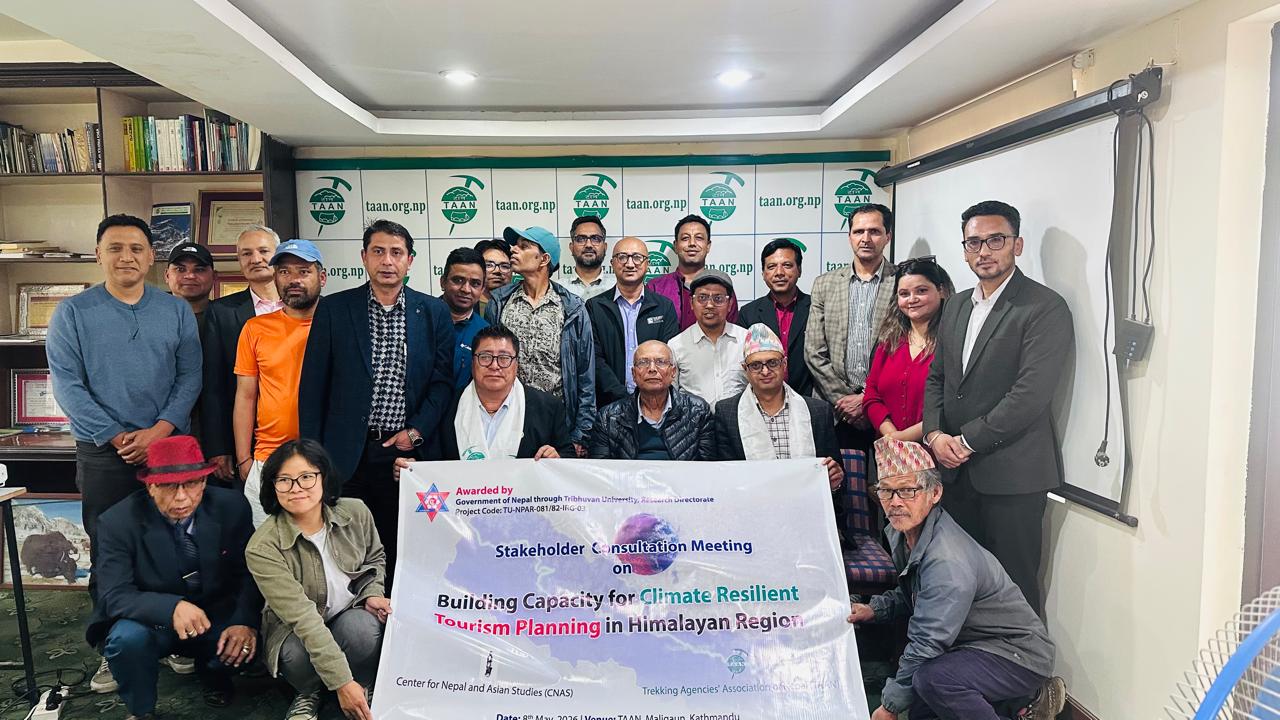
The Trekking Agencies’ Association of Nepal (TAAN) hosted a Stakeholder Consultation Meeting (SCM) on “Building Capacity for Climate Resilient Tourism Planning in the Himalayan Region of Nepal” on May 8 in collaboration with the Centre for Nepal and Asian Studies (CNAS), Tribhuvan University.
The consultation meeting brought together tourism entrepreneurs, researchers, academics, local government representatives, and mountaineering stakeholders to discuss the growing impacts of climate change on Nepal’s Himalayan tourism sector and strategies for sustainable tourism planning.

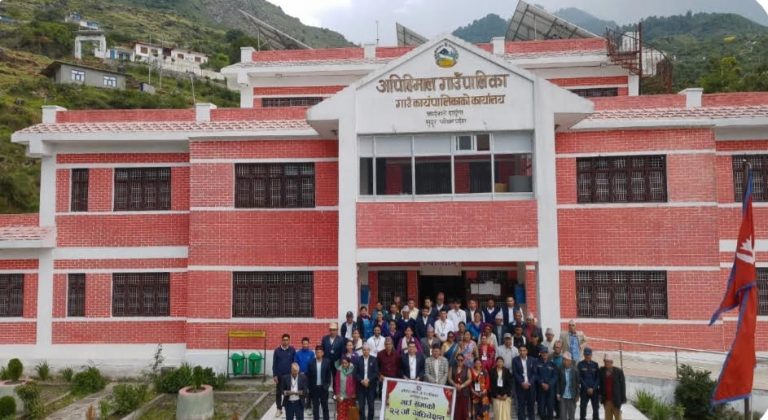
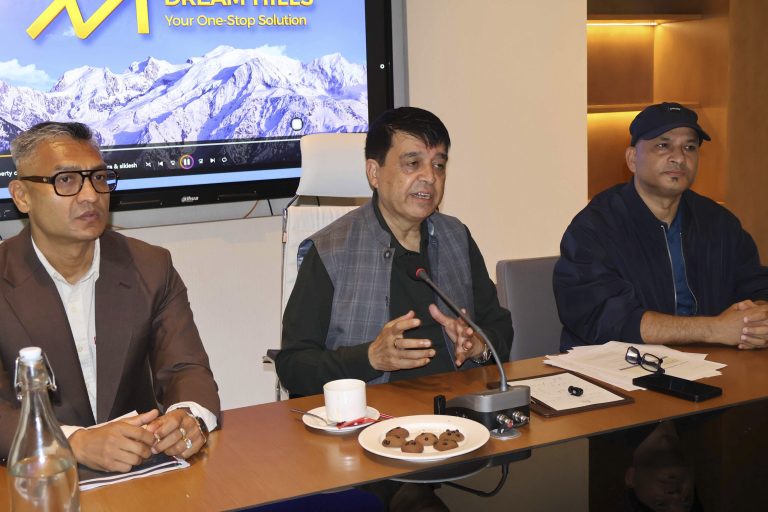
The meeting was chaired by TAAN Senior Vice President Karma Sherpa, while Ishwor Koirala attended as the chief guest. Chairperson of Gharapjhong Rural Municipality, Mohan Singh Lalchan, joined the program as the special guest.
Participants from Multiple Tourism Sectors on the Program Hosted by TAAN
According to organizers, a total of 25 participants attended the consultation, representing sectors including trekking and travel, mountaineering, hotels and accommodation, academia, local government bodies, and independent research institutions.
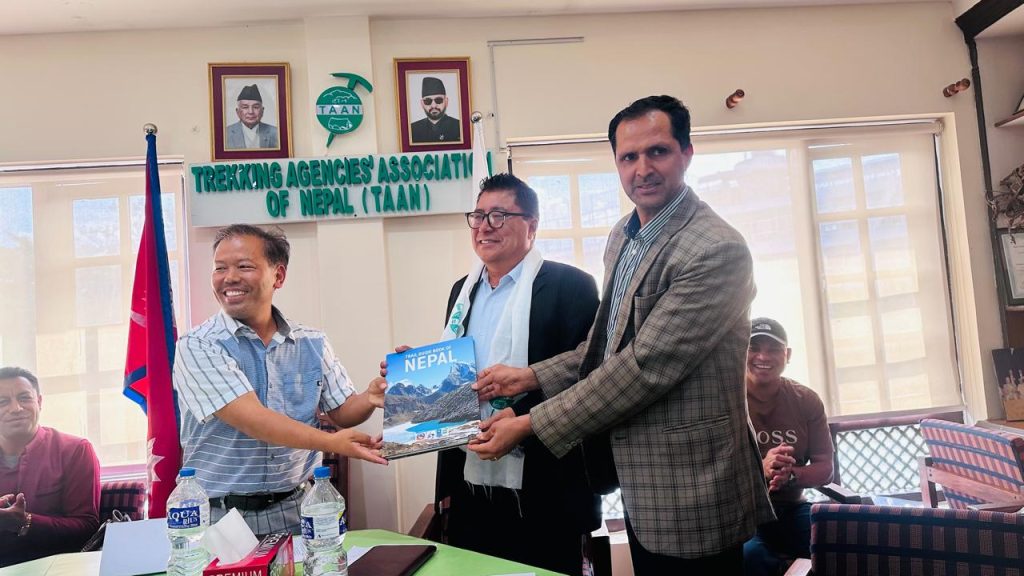
The technical session was moderated by Assistant Professor and Co-Principal Investigator Rajan Binayak Pasa. During the session, Associate Professor and Principal Investigator Ratna Mani Nepal presented the objectives, methodologies, and expected outcomes of the research project, including the goals of the stakeholder consultation process.
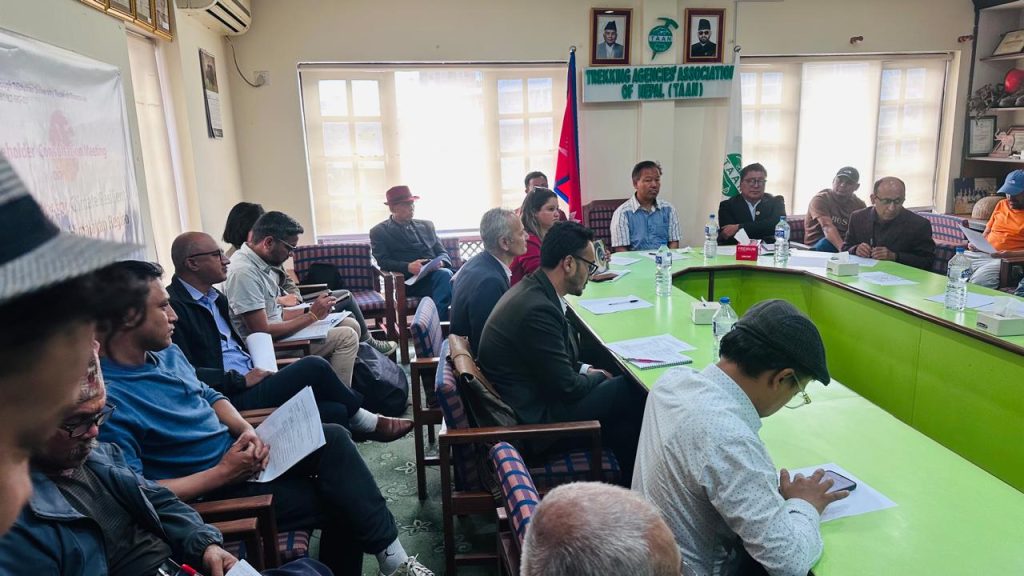
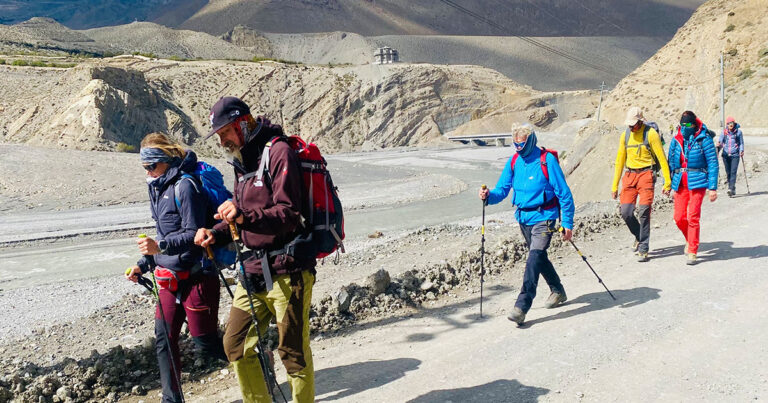
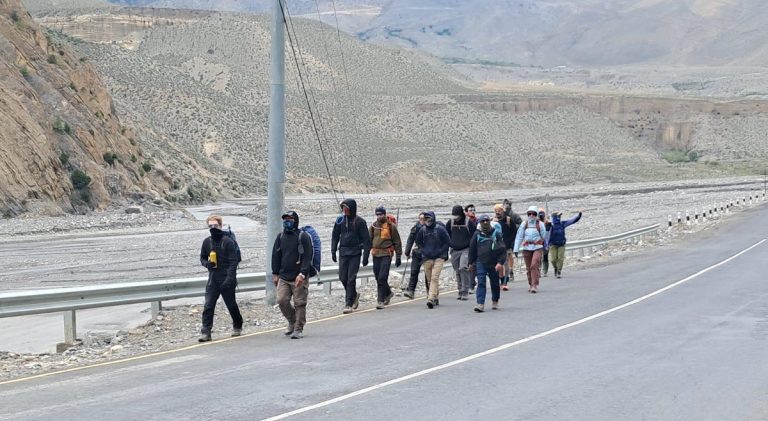
The research initiative focuses on strengthening climate-resilient tourism planning in Nepal’s Himalayan region, where changing weather patterns, glacier retreat, and natural disasters are increasingly affecting trekking routes, mountain communities, and tourism infrastructure.
Tourism Leaders Stress Need for Climate Adaptation
Speaking on behalf of TAAN, Chairperson Karma Sherpa and TAAN Chief Executive Officer Ram Chandra Sedai highlighted the importance of the research being conducted by CNAS and Tribhuvan University. They shared insights on both the risks and opportunities associated with climate change in Nepal’s mountain tourism sector. According to them, climate-related challenges such as glacial melting, irregular snowfall, landslides, and changing trekking conditions are directly impacting tourism activities across the Himalayas.

At the same time, they stressed that timely research, policy coordination, and sustainable tourism planning could help Nepal adapt to these emerging challenges while preserving its reputation as a leading global destination for trekking and mountaineering tourism.
Participants also emphasized the importance of collaboration among government agencies, tourism entrepreneurs, local communities, and academic institutions to develop long-term climate-resilient tourism strategies for the Himalayan region.