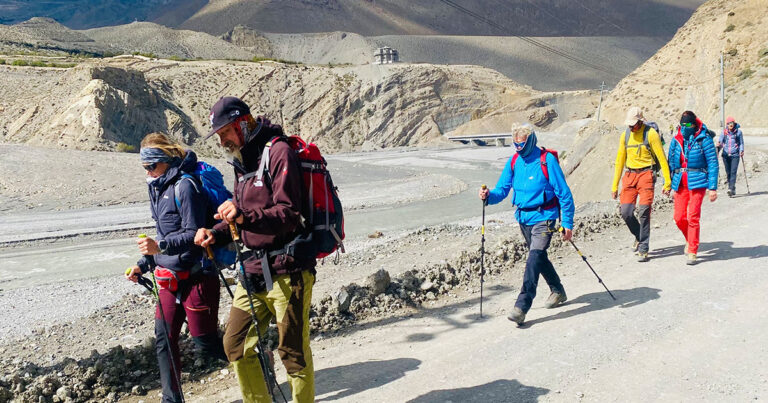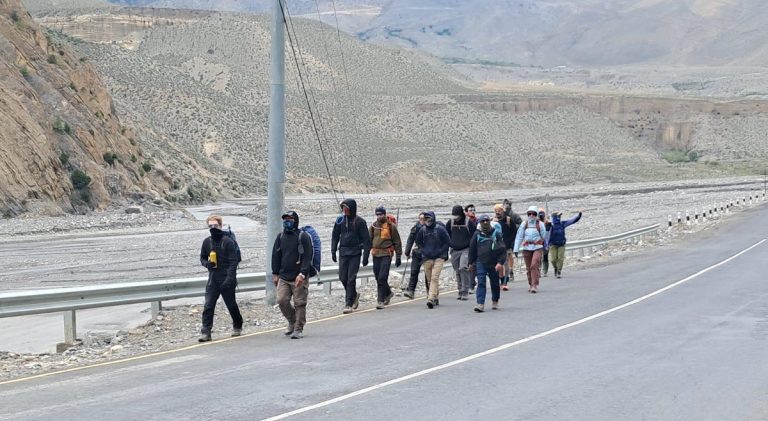
The Maurice Herzog Trekking Route and Annapurna Base Camp (ABC) area are witnessing an unprecedented surge in tourist arrivals, far exceeding the accommodation capacity of local lodges and camps. As a result, authorities and local entrepreneurs are struggling to manage lodging and food facilities for the growing number of trekkers.
The Annapurna Base Camp, located at the foothills of the 8,091-meter-high Annapurna I mountain in Annapurna Rural Municipality–4 of Myagdi District, is one of the most scenic and high-altitude trekking destinations in western Nepal. However, the limited infrastructure has become a serious concern, with the number of tourists tripling in recent weeks.
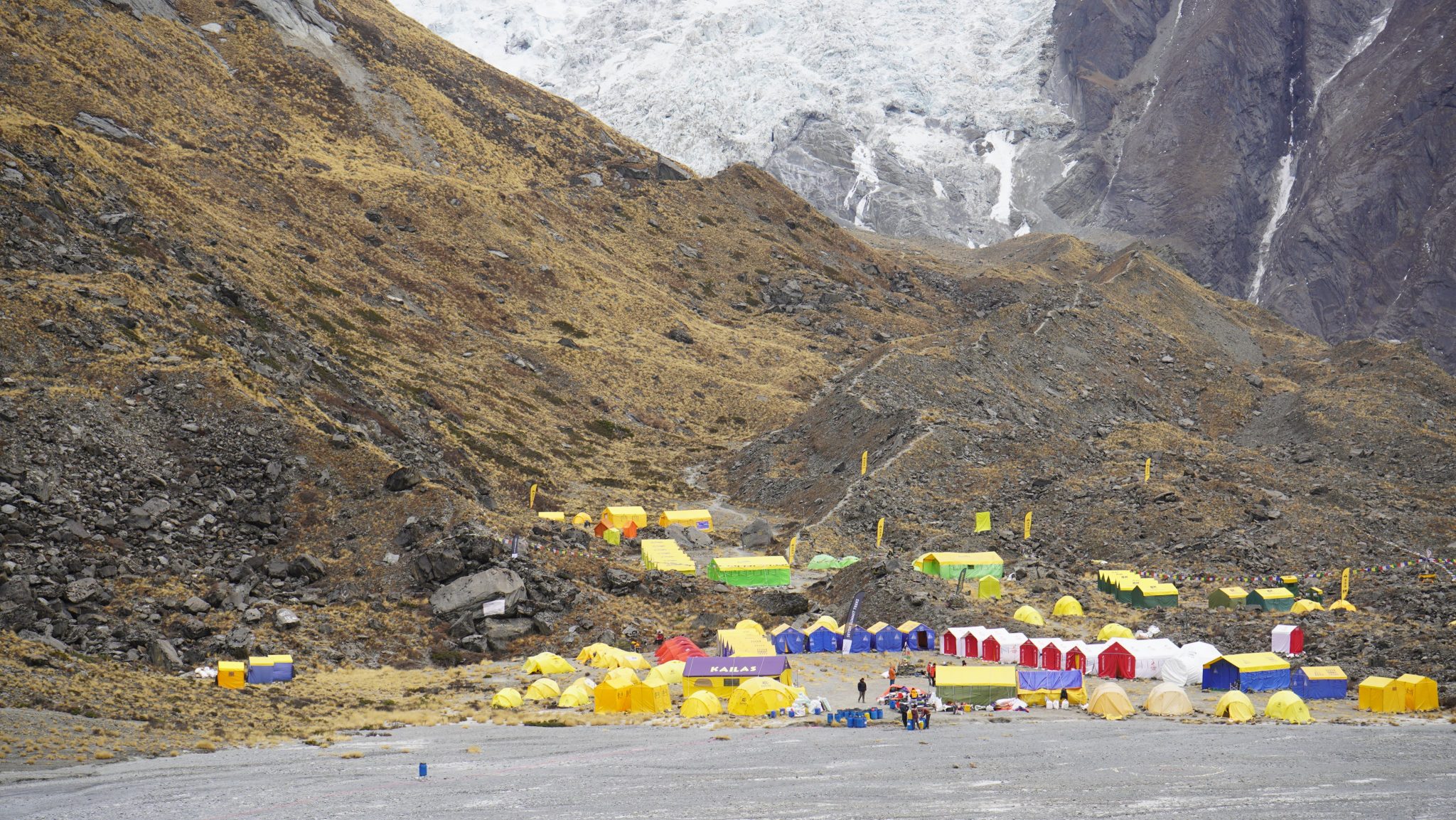
Local ward member Shyam Purja stated that while the combined capacity of the shelters and tents in the region can accommodate up to 50 visitors per night, more than 150 tourists have begun arriving daily. “Since the area falls under the Annapurna Conservation Area Project (ACAP), we are not allowed to construct permanent structures. Therefore, in coordination with the rural municipality, we have been managing temporary tents for food and lodging since the last spring season,” said Purja. “But now, with the number of tourists exceeding capacity, the management challenge has become acute.”

Local Efforts to Manage Accommodation and Food
In response to the growing demand, local residents have taken proactive steps to cater to trekkers. From Futfute Jharna Waterfall to Sandhikharka, Gufa Phat, Bhusket Mela, and around the Panchakunda Lake near the base camp, villagers have constructed semi-permanent structures to serve food, beverages, and offer temporary shelter to visitors.
According to Purja, these makeshift facilities have been operating since Baisakh (April–May), but the higher-than-expected influx has prompted locals to add more tents in order to accommodate guests.
Previously, trekkers had to carry their own food, utensils, gas cylinders, and bedding due to the lack of hotels or lodges. “During our recent trek, seven of us had to share a tent designed for only three people,” said Sandip Khatri, a visitor from Beni. “Although the scenery was breathtaking, managing basic needs like food and shelter was quite difficult.”
Infrastructure Limitations and Need for Improvement
The Annapurna Base Camp region lies far from human settlements, creating additional hurdles in managing communication, electricity, and sanitation. Trekkers have also expressed concerns about the lack of trail signage and safety markings, which are especially important on the steep, landslide-prone trails between Bhusket and the base camp.
“Trekking from Bhusket to the base camp takes about three hours, but there are no clear trail indicators,” said another trekker, Bishal Khatri, adding that more visible signs would help prevent confusion and ensure safety.
Despite these difficulties, the route remains popular for its spectacular natural beauty. The trail meanders along the Mistri Khola River, passing towering waterfalls, rare flora and fauna, and panoramic views of the Annapurna mountain range. The Red Waterfall, Hum Khola, and the tranquil blue Panchakunda Lake near the base camp add to the region’s allure.
From Narchyang, trekkers can reach Hum Khola via a two-hour jeep ride and then continue a two-day hike to reach the base camp, returning on the third day. This relatively short trekking duration has made the Maurice Herzog Trail and Annapurna Base Camp an ideal destination for both domestic and international visitors seeking a quick yet immersive Himalayan experience.
Historical Significance of the Maurice Herzog Route
The trail holds deep historical significance as it retraces the route taken by Maurice Herzog, the French mountaineer who led the first successful ascent of Annapurna I 75 years ago. Following in his footsteps, local explorer Tej Gurung of Narchyang helped rediscover and map this route in 2010 (2067 BS).
Recognizing its importance, the Annapurna Rural Municipality officially named and opened the route as the Maurice Herzog Trail in 2020 (2077 BS), making it a new addition to Nepal’s growing list of heritage treks.

Infrastructure Development and Conservation Efforts
The rural municipality, with support from the Annapurna Conservation Area Project (ACAP), has initiated several projects to enhance the trekking experience and ensure sustainability. These include the construction of shelters, public toilets, and drinking water facilities, as well as the maintenance of trekking trails and the establishment of an open-air museum at the 4,100-meter-high base camp.
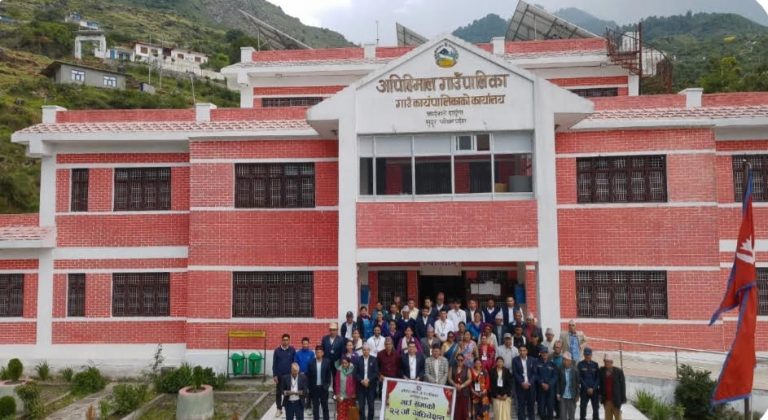
According to Ward Chairperson Lok Bahadur Fagami, ACAP has provided NPR 500,000 in assistance to build a wooden bridge over Sun Khola and improve access to the Red Waterfall, one of the major attractions along the route. “We are also working on additional infrastructure to accommodate rising tourist numbers and enhance safety,” he said.
Despite the challenges, Fagami emphasized that local authorities are committed to promoting the Maurice Herzog Trail as a sustainable and eco-friendly trekking route. “We aim to balance tourism growth with environmental conservation so that visitors can enjoy the pristine beauty of the Annapurna region for generations to come,” he added.