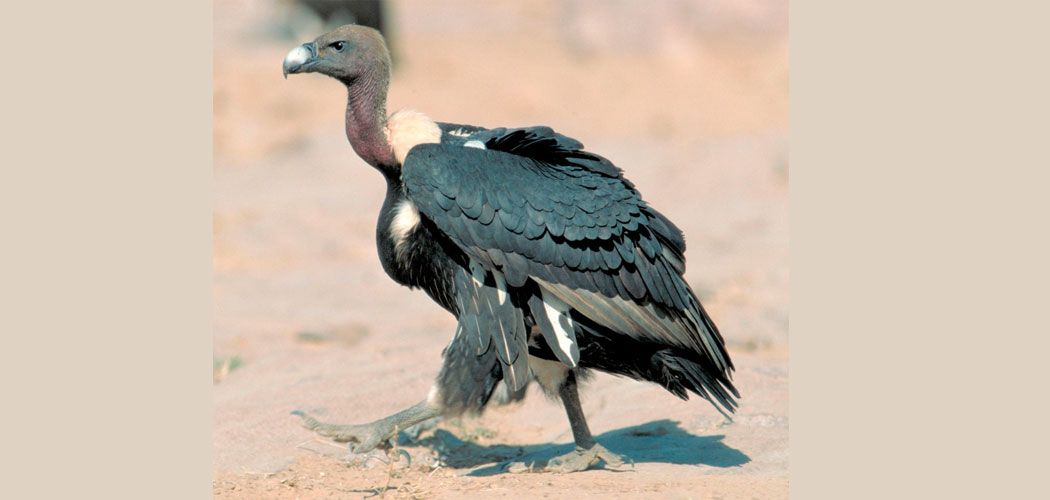
In a significant boost to biodiversity conservation, the number of vultures in Chaukune Rural Municipality of Surkhet district has notably increased, thanks to the local government’s proactive measures. Following the implementation of the Forest and Environment Act, the rural municipality has reported encouraging signs of ecological restoration, especially in vulture conservation.
Vulture Population
According to Khadak BK, the Chairman of Chaukune Rural Municipality, a total of 124 vultures have been recently spotted in the area. This rise in the population is being credited to the municipality’s targeted conservation efforts aimed at protecting endangered species and promoting environmental sustainability. Chairman BK confirmed that the rural municipality has formed 12 dedicated groups focused on vulture protection and has deployed two officials to oversee the conservation activities.
One of the most innovative and impactful steps taken by the municipality has been the operation of a Gaushala a shelter for old and abandoned cows and oxen. These animals, once they die naturally, are managed in a controlled manner and kept away from human settlements. Unlike traditional practices where carcasses are buried or burned, the municipality now leaves the dead animals in forested zones, ensuring a natural food source for vultures. This practice has proven beneficial for scavenging birds like vultures, who rely heavily on such sources for survival.
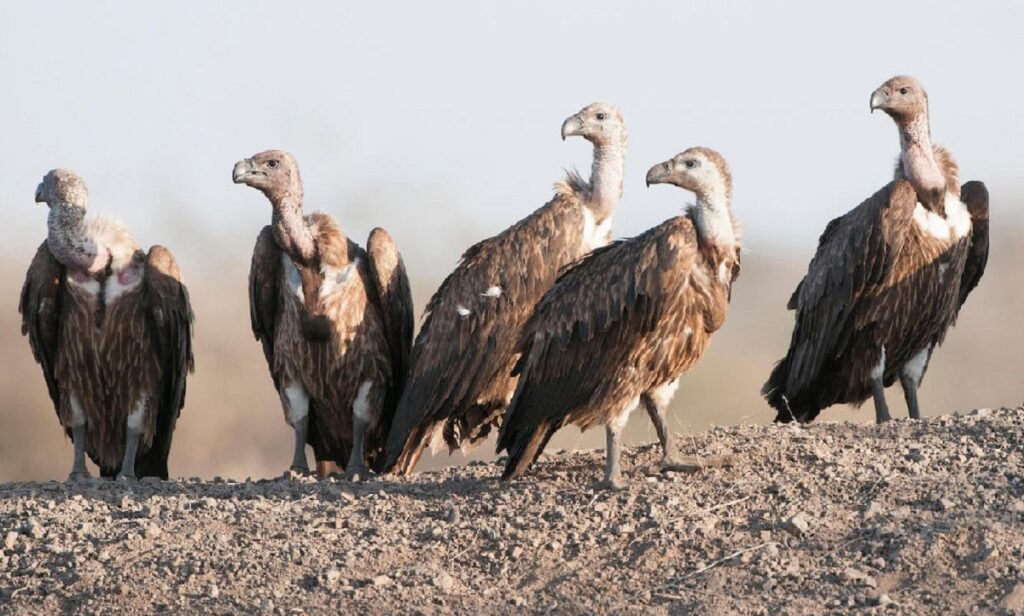
“The vultures arrive at the forest site in search of food. Since we have managed the dead animals properly and away from residential areas, the forest has gradually become a natural habitat for them. As of now, we have recorded 124 vultures in the region,” said Chairman BK. This figure reflects the success of a carefully thought-out and community-driven conservation model.
Vultures, once commonly seen across Nepal, had experienced a sharp decline due to various factors including habitat loss, food scarcity, and poisoning particularly from the veterinary drug Diclofenac, which is fatal to vultures when consumed through cattle carcasses. Conservationists have long warned of the ecological consequences of vulture extinction, such as the increase in decaying animal matter and the spread of diseases. Against this backdrop, the Chaukune model serves as a promising approach for other local bodies in Nepal aiming to conserve avian biodiversity.
Municipal officials have also revealed that they are seeking broader collaboration to ensure the long-term success of the conservation initiative. Plans are underway to coordinate with the provincial and federal governments as well as ornithologists and environmental experts to further enhance conservation strategies. By bringing scientific expertise and policy support together, Chaukune hopes to not only protect vultures but also inspire other regions to adopt similar biodiversity-focused policies.

The Forest and Environment Act has provided a legal and institutional framework to support such local-level initiatives. It empowers rural municipalities to take action on pressing environmental issues, manage natural resources sustainably, and ensure the protection of endangered species through community engagement. In Chaukune, this has translated into practical steps such as structured wildlife monitoring, regulated carcass management, and awareness-building among local residents.
The resurgence of vultures in Chaukune is not just a symbol of ecological healing but also a testament to how local governance, when empowered by legislation and driven by community participation, can bring about real environmental change. The initiative also underscores the importance of integrating traditional knowledge, animal welfare, and modern conservation science to revive critical species that play an essential role in the ecosystem.
As Nepal continues to focus on wildlife and habitat preservation, Chaukune Rural Municipality’s achievement in vulture conservation stands out as a model of localized environmental action with national significance. The efforts in Surkhet demonstrate that grassroots conservation, backed by policy and proper management, can indeed make a measurable difference in preserving Nepal’s rich and diverse natural heritage.