The Meteorological Forecasting Division (MFD) has issued a weather alert warning of potential heavy rainfall in several parts of the country today, especially in Koshi, Bagmati, Gandaki, and Karnali provinces. With the monsoon system gaining strength, the Division has called on citizens, especially those living in flood and landslide-prone areas, to remain cautious.
Monsoon System Active Across the Country
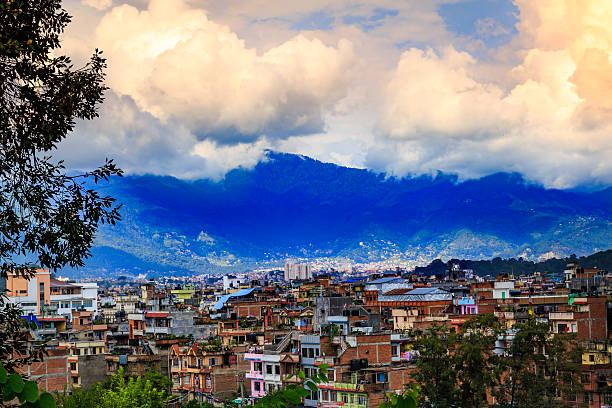
According to the MFD, the monsoon low-pressure trough has now shifted closer to its average position, bringing widespread influence of the monsoon system across the country. As a result, weather conditions remain generally cloudy from east to west, with intermittent rain and thunderstorms reported or expected throughout the day.
“There are chances of heavy rainfall at one or two places in Koshi, Bagmati, Gandaki, and Karnali provinces,” the Division said in its latest bulletin. “This condition has emerged due to the activation of the monsoon trough and its relative stability near the southern belt of Nepal.”

Thunderstorms and Rain in Hills and Plains
With the current cloud cover, light to moderate rainfall with thunder and lightning is also expected at several locations across the above-mentioned provinces, while a few parts of the remaining provinces, including Lumbini, Madhes, and Sudurpaschim, will also receive occasional showers.
In higher elevations, particularly in the hilly and mountainous regions, light to moderate rainfall and even sporadic snowfall is possible at one or two locations. This could impact trekkers and transport routes in popular mountainous destinations and trekking trails.
Moreover, parts of the Tarai belt in Lumbini and Sudurpaschim provinces are likely to face gusty winds and storms later today, which may cause temporary disruptions to daily life and agriculture.
Nighttime Forecast: Continued Rain and Lightning
Tonight, the general weather pattern is not expected to change much. Most of the country will continue to experience generally cloudy skies, with light to moderate rain, accompanied by thunder and lightning, likely at multiple locations, especially in Koshi and Madhes provinces. The rain could continue sporadically throughout the night in lowland and mid-hill areas.
This consistent rainfall pattern may also lead to waterlogging in urban areas, particularly in low-lying districts and settlements with inadequate drainage infrastructure.
Flood and Landslide Risks on the Rise
With heavy rain predicted and continuous showers ongoing in many places, the MFD has warned of an increased risk of floods, landslides, and debris flow, especially in urban areas, the hilly regions, and the Tarai belt. The Division has asked residents, travelers, and local governments to take precautionary measures, including monitoring of vulnerable slopes, evacuation plans in high-risk areas, and caution while crossing rivers and roads near landslide-prone zones.

The rising water levels in both large and small rivers and rivulets have already caused concern, with potential impacts on:
- Agriculture, due to inundation of farmland,
- Health, especially risks of waterborne diseases,
- Tourism, as bad weather can affect trekking, rafting, and travel plans,
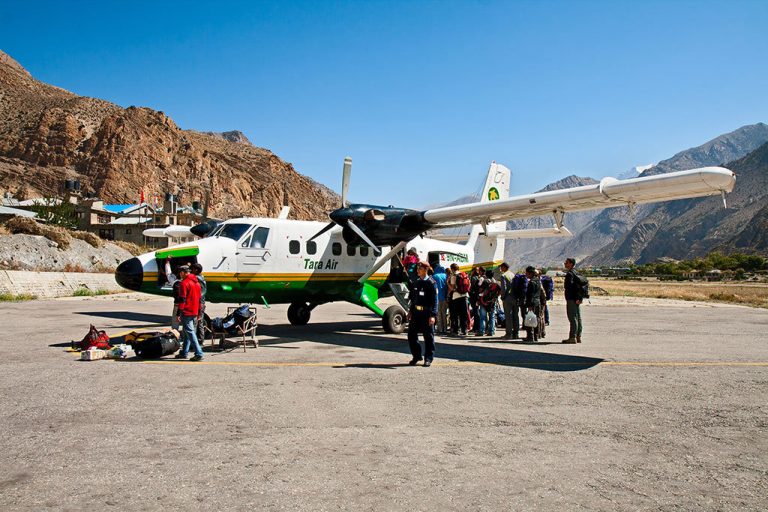
- Transportation, with possible delays or cancellations in both road and air travel.
People living near rivers and streams, especially in floodplain areas, are advised to remain alert and stay updated with official forecasts and alerts.
Authorities on Standby, Urge Public Cooperation
Disaster response teams, including local governments, police, and the Nepal Army, are reportedly on standby in various high-risk districts. The Department of Hydrology and Meteorology has activated its flood early warning systems, and alerts have been shared via mobile SMS and radio broadcasts.
“We urge citizens, particularly those living in flood- and landslide-prone areas, to stay informed through reliable sources, avoid unnecessary travel in affected areas, and report any signs of danger such as cracks in the ground or overflowing rivers,” said an official from the Disaster Risk Reduction and Management Authority.
Precautionary Measures for the Public
The Meteorological Forecasting Division has recommended several steps to minimize disaster risks during this monsoon period:
- Avoid traveling near or crossing flooded rivers and streams.
- Refrain from driving or walking through submerged roads.
- Stay indoors during lightning and thunderstorms.
- Secure livestock and valuables in safe locations.
- Keep emergency kits and communication devices ready.
Additionally, the Division has suggested frequent updates through its official website and mobile app, where rainfall maps, forecasts, and flood alerts are being updated regularly.
Preparedness Is Key
With the monsoon season now in full swing, weather-related hazards are expected to persist for the coming weeks. Authorities are emphasizing preparedness, timely information, and cooperation between the public and disaster management bodies as the best defense against the potential damages of extreme weather events.
While rain is essential for agriculture and water supply in Nepal, unpreparedness can lead to loss of life and property. Therefore, the public is urged to remain cautious, informed, and responsive to official advisories until the weather situation improves.