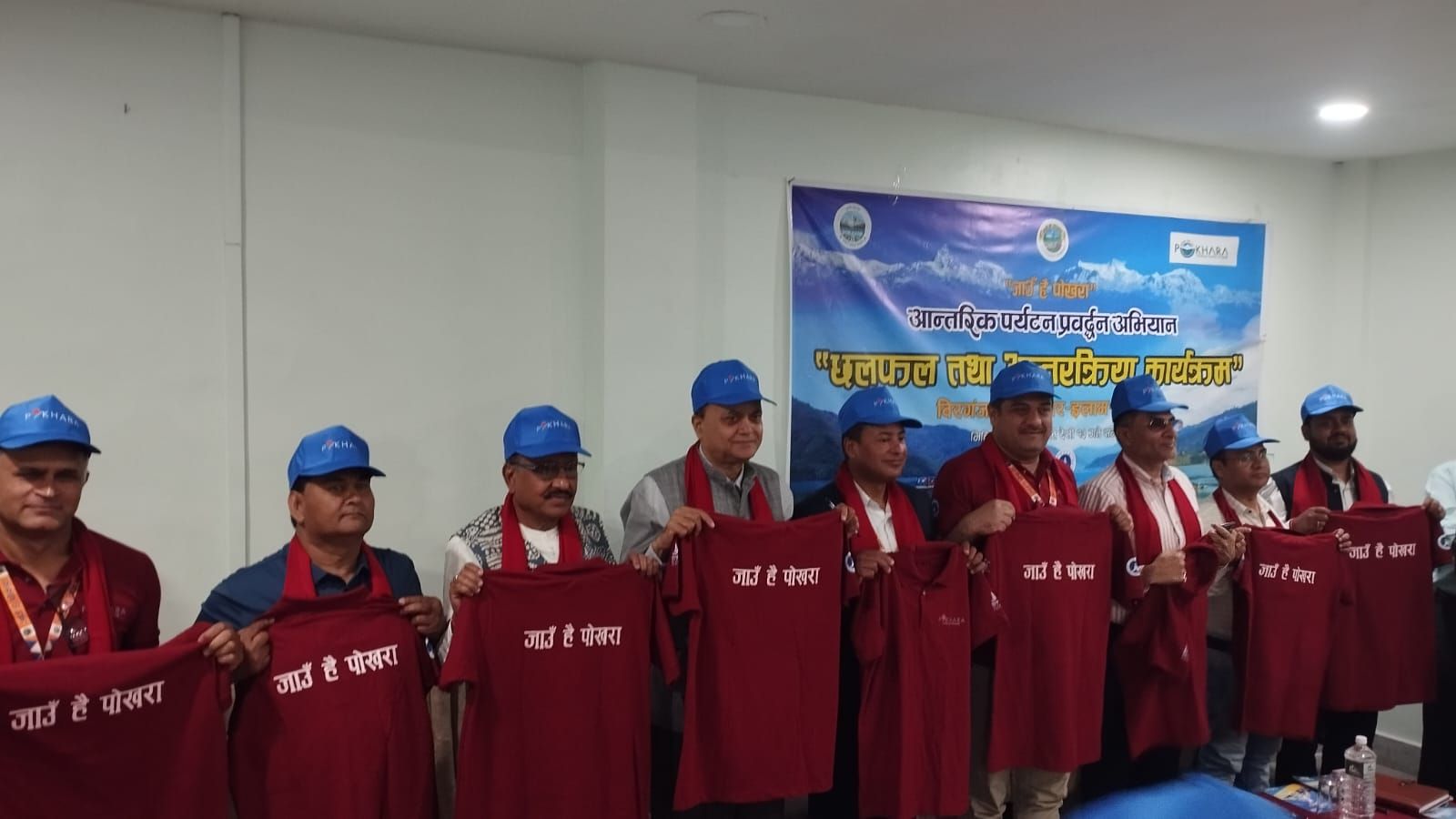
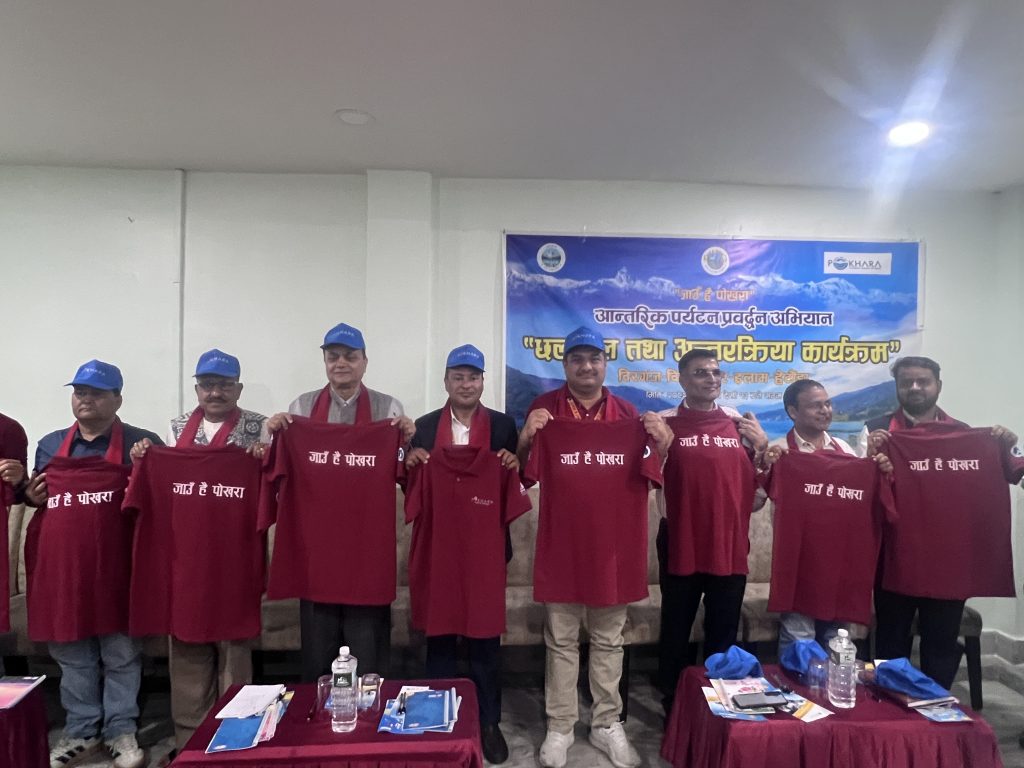
The Hotel Association Pokhara, Nepal, has launched this year’s edition of its long-standing “Jau Hai Pokhara” campaign from the economic hub of Birgunj, aiming to promote domestic tourism and attract more visitors to Pokhara, one of Nepal’s premier tourist destinations. The initiative, which began more than two decades ago, has traditionally traveled to major cities across the country to invite Nepali tourists to explore the natural beauty and cultural heritage of Pokhara.
Promoting Domestic Tourism with a slogan of “Jau Hai Pokhara”: Breaking Old Stereotypes
In earlier times, the term “tourist” in Nepal was largely associated with foreigners, particularly from Western countries. Recognizing the need to redefine this perception, the Hotel Association Pokhara initiated the “Jau Hai Pokhara” campaign to encourage Nepalis themselves to travel and appreciate their own country. Over the years, the campaign has successfully increased domestic tourist inflow, making Pokhara a preferred destination for Nepali travelers.

This year’s campaign kickoff in Birgunj continues the tradition, with hotel association representatives traveling across key urban centers to promote Pokhara and motivate citizens to participate in domestic tourism. By fostering a culture of local travel, the campaign also supports businesses and services connected to the hospitality and tourism sector.
Voices from the Launch Event
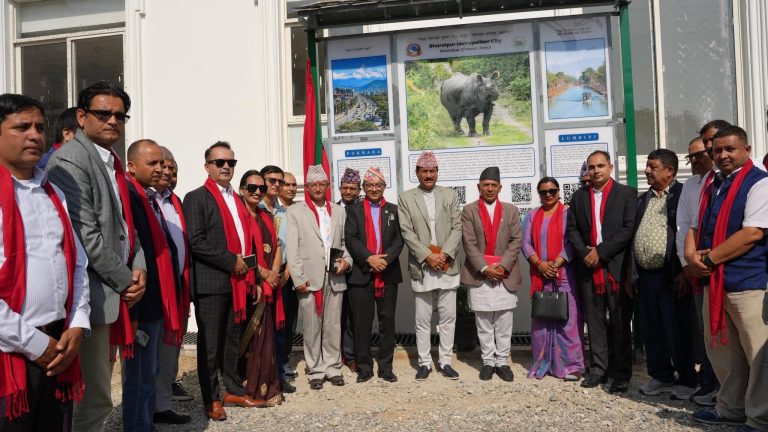
At the launch event, Hari Gautam, President of the Birgunj Chamber of Commerce and Industry, stressed the importance of tourism-friendly policies under the new government. He also highlighted challenges faced by Indian tourists at border checkpoints, urging lessons in hospitality from Pokhara to improve cross-border tourism experiences.
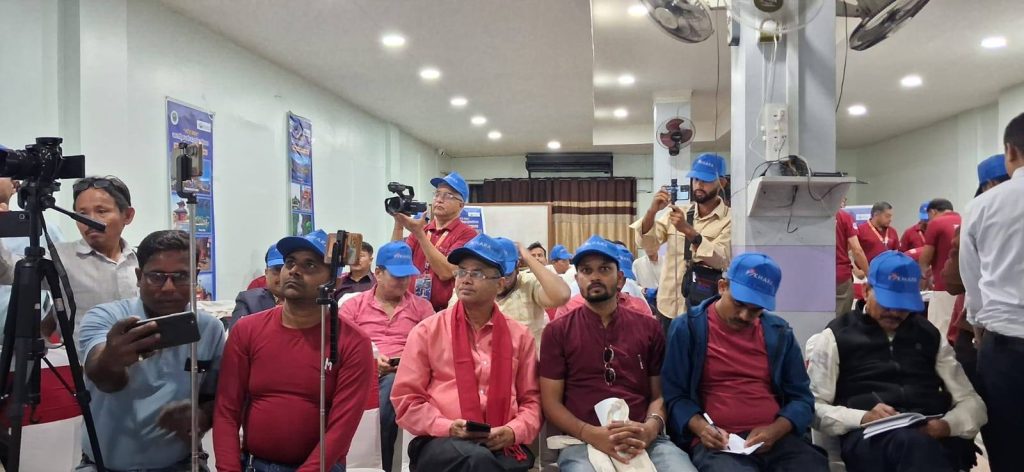
Maniram Lamichhane, Chief of the Gandaki Province Office of the Nepal Tourism Board, expressed confidence that initiatives like “Jau Hai Pokhara” inspire Nepalis to travel domestically while keeping tourism businesses active. He also reiterated the Tourism Board’s commitment to supporting campaigns organized by professional tourism associations.
Strengthening Connections Between Pokhara and Major Cities
According to Laxman Subedi, President of the Hotel Association Pokhara, the “Jau Hai Pokhara” campaign acts as a bridge for tourism development between Pokhara and major cities across Nepal. He noted that the initiative not only encourages domestic tourists to travel but also promotes Pokhara’s attractions nationally.
The campaign’s outreach includes direct appeals for better air connectivity, as speakers emphasized the need for direct flights from Simara to Pokhara. The “Jau Hai Pokhara” campaign will subsequently travel to other eastern cities such as Biratnagar, Ilam, and Hetauda, while its second phase will focus on major western cities.
Expanding Beyond Nepal
Beyond domestic outreach, the campaign is also planned in cross-border cities in India and selected cities in China to promote Pokhara internationally. Participating tourists will have access to a variety of discounted packages and special offers designed to make their visit more appealing.
Mr. Krishna Prasad Acharya, President of TAAN Gandaki, highlighted the long-term importance of the campaign: “Jau Hai Pokhara is more than just a promotional initiative. It strengthens the link between domestic tourism and local economic development, ensuring that hotels, transport services, and community-based activities in Pokhara benefit from sustained tourist inflow. This is a model for integrating regional tourism across Nepal.”
Complementary Tourism Initiatives
In addition to the campaign, the Hotel Association Gandaki plans to organize the Fewa New Year Festival, a major event celebrating the New Year at Fewa Lake, to attract additional domestic and international visitors. With over 1,200 hotels currently operating in Pokhara, the city can accommodate more than 50,000 tourists daily, demonstrating the significance of domestic tourism for local economic growth.

Economic and Cultural Significance
By promoting Pokhara as a travel destination for Nepalis, the “Jau Hai Pokhara” campaign not only strengthens the hospitality sector but also boosts local businesses, including hotels, restaurants, transport operators, and cultural event organizers. The campaign emphasizes that tourism development is a shared responsibility and highlights the importance of infrastructure, hospitality services, and cultural experiences in making Pokhara a sustainable and attractive destination.
The initiative has received widespread appreciation from tourism professionals, government officials, and business leaders alike, all recognizing the campaign as a vital tool for fostering domestic tourism while reinforcing Pokhara’s reputation as a leading tourist hub in Nepal.